
Editors-in-Chief
This page presents the Editors-in-Chief of journals published by Science Exploration Press. Our editorial leadership consists of internationally recognized scholars and leading experts across diverse disciplines, who play a central role in shaping journal development, maintaining academic standards, and guiding the dissemination of high-quality research. Their expertise and global perspective ensure the integrity, innovation, and impact of our publications.
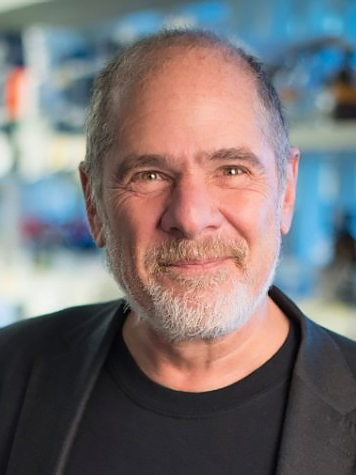
Prof. Douglas R. Green
Editor-in-Chief of Ferroptosis and Oxidative Stress
Douglas R. Green is a Professor in the Department of Immunology and holds the Peter C. Doherty Endowed Chair of Immunology at St. Jude Children’s Research Hospital, USA. He is a leading international immunologist and cell biologist with pioneering contributions to programmed cell death, immune regulation, and cancer biology. Prof. Green is an elected member of the U.S. National Academy of Sciences (2020), the Royal Society of Canada (2018), and a Fellow of the AAAS (2021). He has served as Editor-in-Chief of Oncogene and Deputy Editor of Science Advances. His work, published in Nature, Science, Cell, and Immunity, has fundamentally advanced understanding of how regulated cell death shapes immune defense and disease.
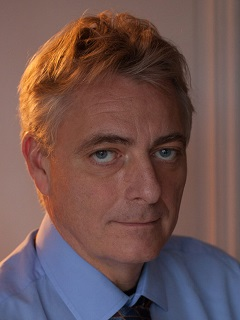
Prof. Guido Kroemer
Editor-in-Chief of Geromedicine
Guido Kroemer is a Professor of Medicine at Université Paris Cité and “Directeur de Recherche de classe exceptionnelle” at the French Medical Research Council (Inserm). He leads a major research program on apoptosis, autophagy, cancer, and immunity at the Cordeliers Research Center and is affiliated with Gustave Roussy Comprehensive Cancer Center. He is an elected member of several leading academies, including Academia Europaea, the European Molecular Biology Organization (EMBO), the German National Academy of Sciences Leopoldina, the Austrian Academy of Sciences, and the European Academy of Sciences and Arts. His pioneering work has defined key mechanisms of mitochondrial apoptosis and immunogenic cell death, and advanced the role of autophagy in aging and disease. He is among the world’s most highly cited biomedical scientists, with over 1,600 publications, including numerous articles in Cell, Nature, and Science, and has received multiple international awards for his contributions to cancer biology, immunology, and geroscience.
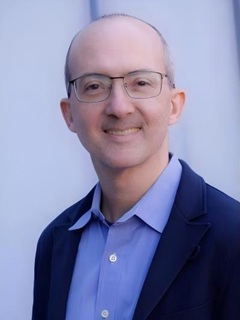
Prof. Brent R. Stockwell
Editor-in-Chief of EXO - Beyond the Cell
Brent R. Stockwell is the William R. Kenan, Jr. Professor of Biological Sciences and Chair of the Department of Biological Sciences at Columbia University, with additional appointments as Professor of Chemistry in Arts & Sciences, and Professor of Pathology and Cell Biology at the Vagelos College of Physicians and Surgeons, Columbia University Irving Medical Center.
He is internationally recognized for his discovery, conceptualization, and naming of ferroptosis, an iron-dependent, oxidative form of regulated cell death driven by lipid peroxidation, which he described in a series of papers from 2003-2012. This discovery has fundamentally reshaped the understanding of cell death mechanisms and therapeutic strategies in diverse cancers and degenerative diseases.
His research focuses on how small molecules regulate cell fate, particularly through oxidative stress, lipid peroxidation, and metabolic pathways. By integrating chemistry and biology, his work has opened new avenues for targeting ferroptosis for therapeutic development. A testament to his seminal contributions, Prof. Stockwell was elected to the U.S. National Academy of Medicine in 2023, one of the highest honors in biomedical science. His highly influential work has been recognized with numerous awards, including the 2024 Cell Death and Differentiation Award, and he has consistently ranked among the top 1% of highly cited researchers globally. He has published over 200 scientific articles in premier journals such as Nature, Science, Cell, Nature Chemical Biology, Proceedings of the National Academy of Sciences (PNAS), and Journal of the American Chemical Society (JACS).
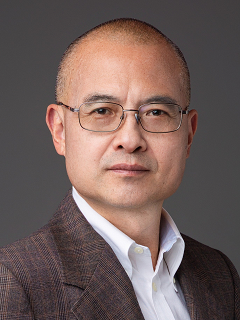
Prof. Xingzhi Xu
Editor-in-Chief of Ageing and Cancer Research & Treatment
Xingzhi Xu is a Distinguished Professor at the Shenzhen University Medical School and Executive Dean of the Medical School. He is a leading Chinese scientist in the field of DNA damage and repair, and a core figure in coordinating national research efforts in this area. His research focuses on DNA damage response and repair mechanisms, with a particular emphasis on post-translational modifications and their roles in regulating DNA damage signaling and modulating cancer therapy sensitivity, especially responses to radiotherapy and chemotherapy. Prof. Xu established the Beijing Key Laboratory of DNA Damage Response in 2011 and initiated the International Symposium on DNA Damage Response and Human Diseases in 2010, which has grown into a major international academic platform in the field. Prof. Xu has published over 100 papers in leading journals including Molecular Cell, Cell Research, and Nucleic Acids Research.
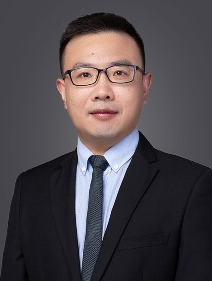
Prof. Baohua Liu
Co-Editor-in-Chief of Ageing and Cancer Research & Treatment
Baohua Liu is a Distinguished Professor at the Shenzhen University Medical School, where he serves as Dean of the School of Basic Medical Sciences. He is a nationally recognized expert in aging biology, supported by prestigious honors including the Guangdong Provincial “Youyue Talent” (Category A), Shenzhen Peacock Talent, National Distinguished Young Scholar, and National Excellent Young Scientist Fund recipient. Prof. Liu currently serves as Secretary-General of the Asian Association for Aging Research, Vice President of the Basic and Translational Medicine Branch of the Chinese Geriatrics Society, and Vice Chair of the Aging Biology Committee of the Chinese Biophysical Society. His research focuses on the molecular mechanisms of aging and intervention strategies. Prof. Liu has published extensively in leading journals such as Nature Medicine, Nature Aging, Nature Metabolism, Molecular Cell, Nature Communications, Cell Metabolism, and Science Advances, with several papers receiving over 560 citations each.
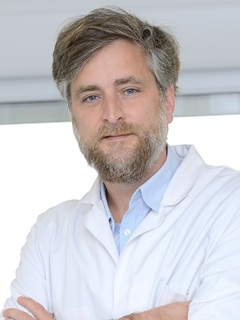
Prof. Florent Ginhoux
Editor-in-Chief of Myeloid Cells
Florent Ginhoux is a Senior Principal Investigator at the Singapore Immunology Network (SIgN), Agency for Science, Technology and Research (A*STAR), and an internationally recognized leader in myeloid cell biology. He also holds affiliations with the Shanghai Institute of Immunology at Shanghai Jiao Tong University School of Medicine and research institutions in France. His research focuses on the ontogeny, differentiation, and functional specialization of macrophages and dendritic cells, with particular emphasis on tissue-resident immune populations and their roles in development, homeostasis, and disease. He is widely known for pioneering studies that redefined the developmental origin of tissue-resident macrophages and advanced the understanding of immune cell heterogeneity across organs.
Dr. Ginhoux has an outstanding publication record, with over 600 peer-reviewed articles in leading journals such as Nature, Nature Immunology, Nature Reviews Immunology, Immunity, and Nature Neuroscience. His work has been highly cited and has had a sustained and significant impact on the fields of immunology and cell biology.
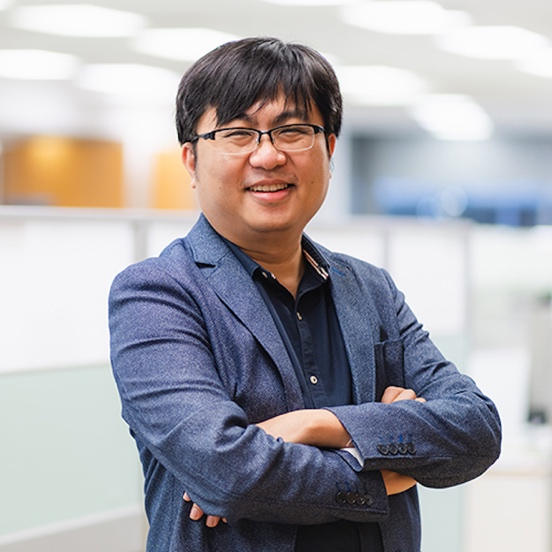
Prof. Lai Guan Ng
Co-Editor-in-Chief of Myeloid Cells
Lai Guan Ng is a Senior Investigator at the Shanghai Immune Therapy Institute, Director of the Center for Systems Immunology, and Professor at Westlake University, China. His research focuses on the ontogeny, functional behavior, and tissue adaptation of myeloid cells, with particular emphasis on understanding how immune cells operate within intact organs. His group employs advanced approaches, including in vivo imaging, mass cytometry, flow cytometry, transcriptomics, and bioinformatics to elucidate the developmental pathways of leukocytes (such as neutrophils and monocytes) and the cellular and molecular mechanisms regulating immune homeostasis. He has published extensively in leading journals, including Science, Science Immunology, Immunity, Journal of Experimental Medicine, Science Advances, Advanced Materials, and Nature Protocols. In recognition of his sustained impact, Dr. Ng has been named a Highly Cited Researcher by Clarivate for five consecutive years (2020–2024).
Prof. Gerhard M. Kostner
Editor-in-Chief of Advances in Lipoprotein(a) Research
Gerhard M. Kostner is an Emeritus Professor of Biochemistry and Molecular Biology at the Gottfried Schatz Research Center, Medical University of Graz, Austria. As a leading authority in lipid research, his work focuses on lipoprotein(a) [Lp(a)], lipoprotein metabolism, atherosclerosis, lipid oxidation, and molecular regulatory mechanisms, including transcriptional control and microRNA. He has made seminal contributions to understanding the structure, metabolism, and clinical relevance of Lp(a), a major cardiovascular risk factor. Prof. Kostner has published extensively in high-impact journals such as Journal of Lipid Research, Journal of Clinical Investigation, and Clinical Chemistry, and has co-edited authoritative books on lipoprotein biology. His long-standing academic leadership and influential publications have established him as a pioneer in cardiovascular biochemistry and metabolic disease research.
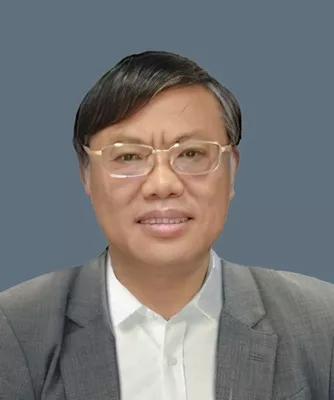
Prof. Deshuang Huang
Editor-in-Chief of Computational Biomedicine
Huang Deshuang is a Professor and PhD Supervisor at Ningbo Oriental Institute of Technology. He is a Foreign Member of the Russian Academy of Engineering and an IEEE Fellow, as well as a Fellow of several international organizations, including the International Association for Pattern Recognition (IAPR), the Asia-Pacific Artificial Intelligence Association (AAIA), and the International Artificial Intelligence Industry Alliance (AIIA). He is the founding Editor-in-Chief of the journal Computational Biomedicine and serves as the Director of the Ningbo Key Laboratory of Multi-Omics and Multimodal Biomedical Data Mining and Computing (Category A). He is also the Chair of the Biomedical Data Mining and Computing Committee of the (proposed) Chinese Society of Bioinformatics. He was selected for the “Hundred Talents Program” of the Chinese Academy of Sciences in 2000 and serves as Chief Scientist (Principal Investigator) of a major project under China’s New Generation Artificial Intelligence Program. His research achievements have been published in a number of internationally authoritative journals such as Nature Communications, Advanced Science, Genome Biology, Bioinformatics, and Briefings in Bioinformatics.
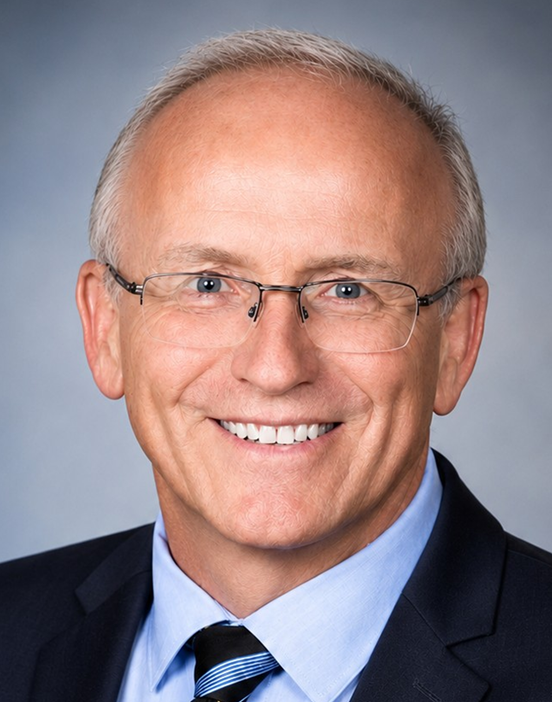
Prof. Andre van Wijnen
Editor-in-Chief of BME Horizon
Prof. Andre J. van Wijnen is a distinguished biomedical scientist with extensive expertise in regenerative medicine, musculoskeletal biology, and translational research. He has more than 20 years of experience as an NIH-funded Principal Investigator and has led large multidisciplinary research teams throughout his academic career. His research spans fundamental and translational biomedical sciences, with particular emphasis on regenerative medicine and orthopedic, dental, and endocrine disorders.
Prof. van Wijnen has extensive experience in academic leadership, scientific publishing, and research evaluation. He has served for more than two decades in editorial roles, including as Editor-in-Chief and editor for multiple scientific journals, and has held leadership positions in professional scientific societies. He has also served as a grant reviewer for numerous government agencies and has mentored more than 100 researchers and trainees.
A highly prolific and widely cited scholar, Prof. van Wijnen has authored more than 700 scientific publications, received over 70,000 citations, and achieved an H-index exceeding 120. He has also been recognized among the top 2% of scientists worldwide in the Stanford/Elsevier global citation ranking.
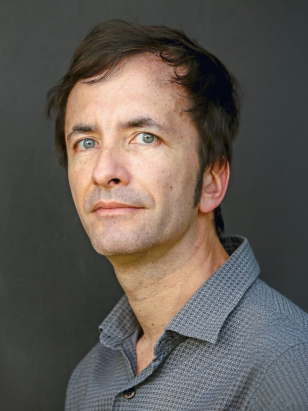
Prof. Claudio Hetz
Editor-in-Chief of Proteostasis
Claudio Hetz is a Full Professor at the Faculty of Medicine, University of Chile, and Professor in Residence at the Buck Institute for Research on Aging. Trained as a Biotechnology Engineer at the University of Chile, he completed his Ph.D. in Biomedical Sciences in Switzerland and postdoctoral training at Harvard University. His research focuses on protein-folding stress and proteostasis, particularly their roles in neurodegenerative diseases such as Amyotrophic lateral sclerosis (ALS), Parkinson's disease, and Alzheimer's disease, as well as the development of therapeutic strategies including gene therapy.
Dr. Hetz has received numerous international distinctions, including the FEBS Anniversary Prize and the TWAS-ROLAC and UNESCO Young Scientist Prize. He has published more than 250 papers, received over 42,000 citations, and has an H-index of 82. He is ranked among the top 1% most cited scientists worldwide by Clarivate Web of Science and is one of the most highly cited researchers in the field of endoplasmic-reticulum (ER) stress.
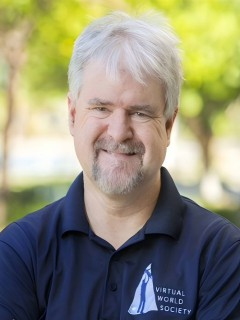
Prof. Mark Billinghurst
Editor-in-Chief of Empathic Computing
Mark Billinghurst is a Professor at the University of South Australia, Director of the Australian Research Centre for Interactive and Virtual Environments (IVE). Currently he conducts research on how virtual and real worlds can be merged, especially the use of augmented reality (AR) and VR for enhancing face to face and remote collaboration, empathic computing and for interface design. He is a pioneer in human-computer interaction (HCI) and AR, his publications have over 38,000 citations, ranking him first globally in AR citations. His MagicBook project, was winner of the 2001 Discover award for best entertainment application, and he received the 2013 IEEE VR Technical Achievement Award for contributions to research and commercialization in Augmented Reality. In 2013, he was selected as a Fellow of the Royal Society of New Zealand. He has received numerous top honors, including the IEEE VR Lifetime Achievement Award, ISMAR Lifetime Achievement Award, and VGTC Virtual Reality Career Achievement Award.
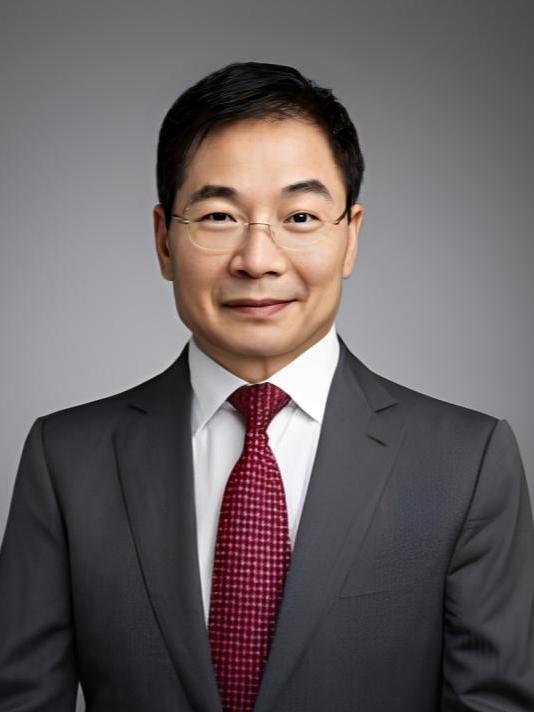
Prof. Baowen Li
Editor-in-Chief of Thermo-X
Baowen Li is a Chair Professor jointly appointed in the Department of Physics and the Department of Materials Science and Engineering at Southern University of Science and Technology (SUSTech), China. He is a Fellow of the Academia Europaea and the American Physical Society. Prof. Li is a pioneer in the emerging field of phononics and thermal metamaterials. His research focuses on phonon heat transport at the micro- and nanoscale, coherent and incoherent phonon manipulation, smart thermal materials and devices, as well as quantum phononics and quantum chaos. He has authored and co-authored over 400 peer-reviewed publications, including 3 in Reviews of Modern Physics and more than 30 in Physical Review Letters. His work has been cited over 38,000 times, with an H-index of 103.
Prof. Li has delivered over 400 invited talks at international conferences, including keynote and plenary lectures. He has received numerous honors, including the President’s Science & Technology Award (PSTA, 2005) in Singapore, the Achievement in Asia Award (AAA, Robert T. Poe Prize, 2005) from the Overseas Chinese Physics Association, and the Brillouin Medal (2017) from the International Phonon Society (IPS). He has supervised more than 110 Ph.D. students and postdoctoral researchers.
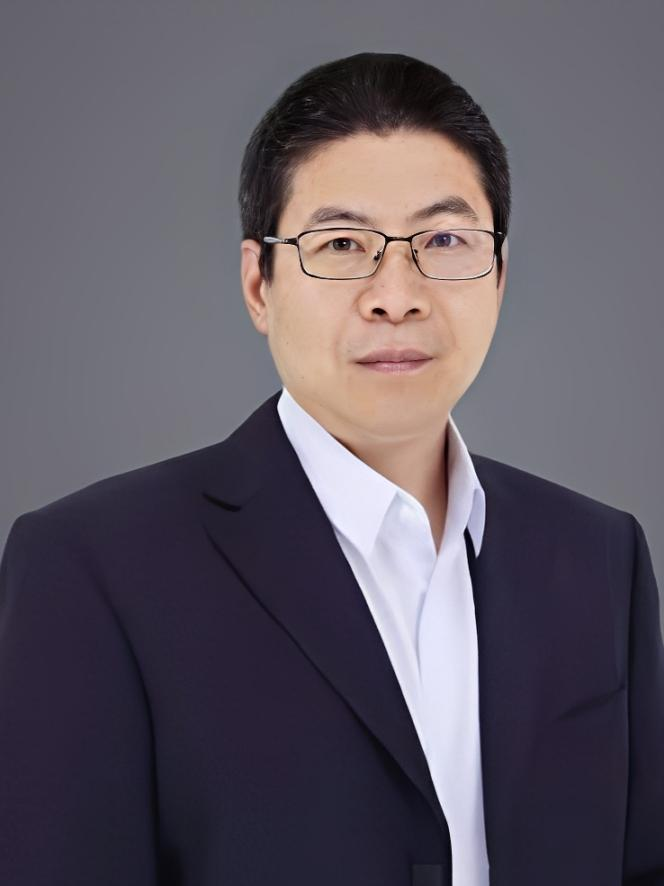
Prof. Xingwei Li
Editor-in-Chief of Chiral Chemistry
Xingwei Li is a Professor and Ph.D. Supervisor at Shaanxi Normal University, China. He is a recipient of the National Science Fund for Distinguished Young Scholars of China, a Fellow of the Royal Society of Chemistry (RSC), and a Leading Talent under the National High-Level Talent Program of China. His research focuses on C–H activation, synthetic methodology, and asymmetric catalysis. He pioneered rhodium-catalyzed C–H activation chemistry in China, developing new substrate activation strategies that overcome the intrinsic inertness of metal–carbon intermediates. His group has enabled a range of C–H functionalization reactions, including C–H iodination and alkynylation of arenes, as well as oxygen- and hydrogen-atom transfer processes and cycloaddition reactions. More recently, he has made significant advances in asymmetric and enantioselective C–H functionalization.
Prof. Li has published over 300 SCI-indexed peer-reviewed papers in leading journals, including Chemical Society Reviews, Accounts of Chemical Research, Journal of the American Chemical Society, Angewandte Chemie International Edition, and ACS Catalysis. His work has been cited over 20,000 times.
Prof. Yangjian Cai
Editor-in-Chief of Light Manipulation and Applications
Yangjian Cai is Vice President of Shandong Normal University, China and a PhD advisor. Prof. Cai is a Fellow of Optica and recipient of the National Science Fund for Distinguished Young Scholars. His research spans optical field manipulation, beam propagation, optical imaging, atmospheric optics, and micro/nano-manipulation.
With over 300 SCI-indexed publications in leading international journals, including Light: Science & Applications, Nature Communications, Nano Letters, and ACS Photonics, his work has received more than 20,000 citations. Prof. Cai has been consistently listed among Elsevier’s Highly Cited Chinese Researchers and Stanford’s World’s Top 2% Scientists.
He also serves as an Editorial Board Member of Progress in Optics and Advanced Photonics Nexus, and as a Senior Editor of PhotoniX.
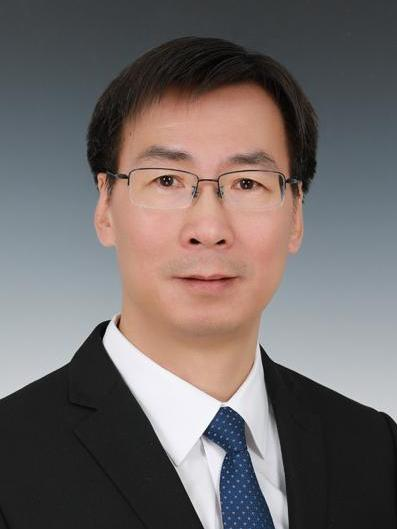
Prof. Zhong-Yong Yuan
Editor-in-Chief of Smart Materials and Devices
Prof. Zhong-Yong Yuan is the Director of the Institute of New Catalytic Materials Science, School of Materials Science and Engineering, Nankai University. He received his PhD degree in Physical Chemistry from Nankai University in 1999. He worked as a postdoctoral fellow at the Institute of Physics, Chinese Academy of Sciences from 1999 to 2001. He then moved to Belgium, working as a research fellow at the University of Namur from 2001 to 2005, prior to joining Nankai University as a full professor. In 2006, he was awarded the "Program for New Century Excellent Talents in University" by the Ministry of Education. In 2016 he was elected as a fellow of the Royal Society of Chemistry (FRSC). He has been listed in the “Highly Cited Chinese Researchers” (Elsevier) since 2021, and the “Highly Cited Researcher 2025” (Clarivate). Currently, he also serves as an Associate Editor of RSC Advances, Academic Editor of Journal of Engineering, and as editorial board member and guest editor of several academic journals. His research interests are mainly on the self-assembly of hierarchically nanoporous and nanostructured materials for energy and environmental applications. He is co-author of 490 SCI papers with an h-index of 88, 1 book, and 6 book chapters.
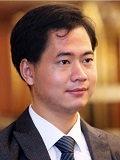
Prof. Limao Zhang
Editor-in-Chief of Journal of Building Design and Environment
Limao Zhang is a Professor and Doctoral Supervisor at the School of Civil and Hydraulic Engineering, Huazhong University of Science and Technology, China. He is a recipient of China’s Overseas High-Level Talent Program and the Hubei Provincial Distinguished Young Scholars Fund. In recent years, he has led and undertaken multiple major research projects, including those funded by the National Natural Science Foundation of China and the National Key R&D Program of China. His research focuses on complex engineering decision-making, intelligent construction, and digital twins, aiming to enhance the intelligence and efficiency of decision-making in complex engineering systems. Prof. Zhang has published over 200 SCI papers as first or corresponding author in leading journals such as IEEE Transactions on Cybernetics and Automation in Construction. His Web of Science H-index is 49, with 12 papers recognized as ESI Highly Cited Papers. He holds 11 authorized Chinese invention patents. He has been repeatedly listed among the World’s Top 2% Scientists by Stanford University (2020–2024) and recognized as an Elsevier Highly Cited Researcher in China (2022–2025).
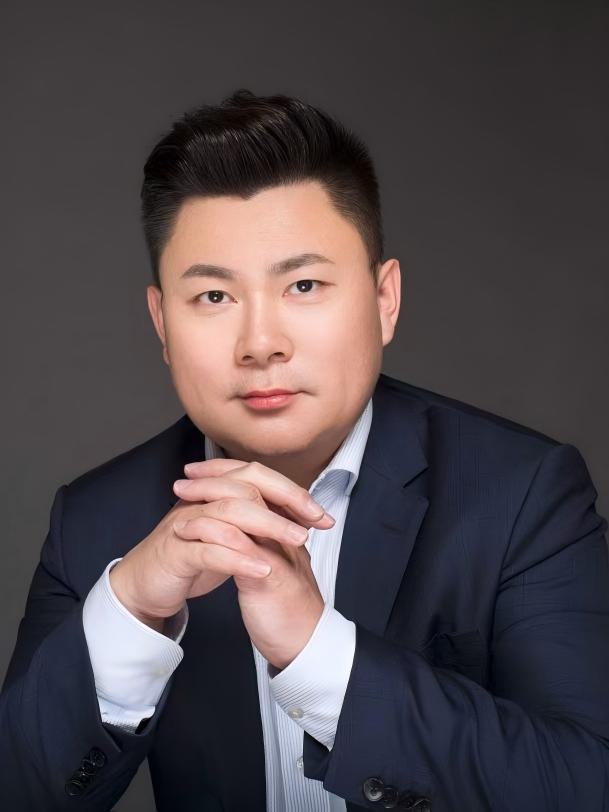
Prof. Xiangyu Wang
Editor-in-Chief of Journal of Building Design and Environment
Xiangyu Wang currently serves as Director of the Institute of Intelligent Construction at the State Key Laboratory of Safety and Resilience for Civil Engineering in Mountainous Regions (National Key Laboratory, China), Executive Dean of the Institute for Smart Operation and Maintenance of Civil Infrastructure, and Distinguished Professor at East China Jiaotong University, China. He previously served as Vice President of the International Association for Automation and Robotics in Construction (IAARC), and holds adjunct or honorary professorships at Chongqing University and Tongji University. He is an Academician of the European Academy of Sciences and Arts (EASA, 2025) and the European Union Academy of Sciences (EUAS, 2018), and was named a Clarivate Highly Cited Researcher in 2022 and 2025.
He has published nearly 400 SCI/SSCI papers, including 34 highly cited papers and 14 hot papers. His work has received nearly 45,000 citations on Google Scholar, with an H-index of around 120. According to the AD Scientific Index, he ranks 2nd in civil engineering in Oceania. He is ranked 1st globally in BIM, infrastructure management, and smart cities, and 9th globally in civil engineering based on Google Scholar Citations.