-
Ageing and Cancer Research & Treatment (ACRT, Print ISSN 2972-4759 Online ISSN 2972-4767) is a peer-reviewed, open-access journal published online and owned by Science Exploration Press. The journal is dedicated to the promulgation of research addressing how ageing affects carcinogenesis and host-tumor interactions in humans and experimental models. Basic, translational and clinical cancer research from genes to molecules to tissues and organs in the context of ageing will be considered. The journal welcomes Research Articles, Reviews, Meta-Analyses, Commentaries, Perspectives, Technical Notes, Editorials, Opinions, etc. more >
Articles
Impact of Nectins and Nectin-like molecules and their receptors in T and NK cell function in cancer and aging
-
The family of Nectin and Nectin-like molecules (Necls) and their immunoreceptors are essential in the immune response against cancer. While primarily involved in cell adhesion, motility, and proliferation, some Nectin members also serve as ligands for both ...
MoreThe family of Nectin and Nectin-like molecules (Necls) and their immunoreceptors are essential in the immune response against cancer. While primarily involved in cell adhesion, motility, and proliferation, some Nectin members also serve as ligands for both stimulatory and inhibitory immune receptors, influencing immune responses. The Nectin/Necls and their receptors form a complex regulatory axis crucial for natural killer (NK) and T cell activity. The most relevant ligands in this axis are the Nectin CD112 and the Nectin-like molecule CD155. Both are ligands for the activating receptor DNAX accessory molecule-1 (DNAM-1) and the inhibitory receptor T cell immunoreceptor with Ig and ITIM domains (TIGIT). Additionally, CD155 is a ligand for T cell activation induced late expression (TACTILE), and CD112 for poliovirus receptor related immunoglobulin domain containing (PVRIG), both inhibitory receptors. These ligands bind with higher affinity to their inhibitory receptors than to the activating receptor DNAM-1. Recent advances in cancer immunotherapy have focused on identifying new targets to overcome tumor resistance. Antibody-mediated blockade of inhibitory receptors such as TIGIT, TACTILE, and PVRIG on NK and T cells has shown promising results in animal models and clinical trials, helping to break immune tolerance. Aging significantly increases cancer risk and contributes to the deterioration of the immune response, impairing cancer immune surveillance. Aging is also associated with an altered tumor microenvironment, reducing immune cell infiltration and promoting tumor progression. In elderly cancer patients, both immunosenescence and cancer-related immunosuppression contribute to a defective immune response against tumor cells. Thus, cancer immunotherapy strategies should be personalized to overcome the dysfunctional immune responses in elderly cancer patients. Understanding these interactions, including ligand-receptor binding mechanisms, is vital for developing effective immunotherapies. Since cancer predominantly affects older adults, further research is needed to explore how aging impacts Nectin-receptor interactions and to tailor immunotherapy strategies for elderly patients.
Less -
Nelson Lopez-Sejas, ... Raquel Tarazona
-
DOI: https://doi.org/10.70401/acrt.2026.0010 - January 26, 2026
-
This article belongs to the Special Issue Aging and the Tumor Microenvironment
Ythdf1 deficiency exacerbates colitis but prevents colitis-associated cancer in mice
-
Aims: Recurrent and uncontrolled inflammation of the colon may cause inflammatory bowel diseases (IBD), which are strongly associated with the onset of colitis-associated cancer (CAC). However, the molecular mechanisms linking inflammation, ...
MoreAims: Recurrent and uncontrolled inflammation of the colon may cause inflammatory bowel diseases (IBD), which are strongly associated with the onset of colitis-associated cancer (CAC). However, the molecular mechanisms linking inflammation, dysregulated growth, and tumorigenesis remain unclear. This study aims to determine the role of the N6-methyladenosine (m6A) reader YTH m6A RNA binding protein 1 (Ythdf1) in regulating colitis severity and CAC development.
Methods: Ythdf1-deficient and wild-type mice were subjected to dextran sodium sulfate (DSS)-induced colitis to evaluate disease severity, epithelial survival, goblet cell and mucus preservation, and inflammatory signaling. m6A-dependent regulation of Jak1 mRNA and the
Il6-Jak1-Stat3 pathway activation was assessed through molecular analyses. Additionally, an azoxymethane (AOM)/DSS model was used to determine the impact of Ythdf1 loss on CAC development.Results: Ythdf1 deficiency significantly worsened DSS-induced colitis, with increased epithelial damage, loss of goblet cells and mucus, impaired epithelial survival, and reduced Stat3 activation. Mechanistically, Ythdf1 recognized m6A-modified Jak1 mRNA and enhanced Jak1 protein expression, thereby maintaining the Il6-Jak1-Stat3 signaling during inflammatory stress. Despite aggravating colitis, Ythdf1 loss markedly suppressed CAC progression and reduced tumor burden.
Conclusion: Ythdf1 is a key regulator of intestinal homeostasis, maintaining the Il6-Jak1-Stat3 signaling to protect against colitis while paradoxically promoting CAC progression. These findings identify Ythdf1 as a context-dependent modulator of intestinal inflammation and tumorigenesis, highlighting its therapeutic potential in IBD and CAC.
Less -
Zhen Zhang, ... Baohua Liu
-
DOI: https://doi.org/10.70401/acrt.2026.0009 - January 14, 2026
A thymus-centric perspective on immune ageing: Mechanisms, cross-species insights, and therapeutic directions
-
Immunosenescence is a biological process accompanying ageing, characterized by increased susceptibility to infections, reduced vaccine efficacy, and the development of chronic low-grade inflammation. Although immunosenescence is systemic, the relative ...
MoreImmunosenescence is a biological process accompanying ageing, characterized by increased susceptibility to infections, reduced vaccine efficacy, and the development of chronic low-grade inflammation. Although immunosenescence is systemic, the relative contribution and compensability of each organ in the adaptive immune axis remain debated. We consolidate current evidence supporting a thymus-centric model of immune ageing. In this model, early and progressive thymic involution, marked by thymic epithelial cell attrition, FOXN1 decline, and architectural disruption, emerges as the principal constraint on de novo naive T‑cell production and T-cell receptor (TCR) repertoire renewal. In contrast, age‑related changes in bone marrow and spleen often exhibit partial compensability through peripheral redistribution and clinical interventions, sustaining counts but not restoring de novo diversity. We evaluate mechanisms of thymic involution, inter-organ communication, and cross-species parallels, identifying shared features across animal models. Quantitative readouts, including age-associated declines in sjTRECs and TCR-β repertoire diversity, further support the thymus-centricity. Clinically, constrained thymopoiesis may undercut vaccine responsiveness and reduce the efficacy of cancer immunotherapies (chimeric antigen receptor T-cell and immune checkpoint inhibitors) in older adults. We assess genetic, pharmacological, and bioengineering strategies to preserve or restore thymic function and outline translational paths and endpoints for future trials.
Less -
Albert Mironenkov, ... Yu-Xuan Lyu
-
DOI: https://doi.org/10.70401/acrt.2025.0008 - December 24, 2025
DNA methylation landscapes in human cells and their chromatin determinants
-
Background: DNA methylation patterns are established during development and are propagated in a cell type specific manner, but these patterns may become aberrant during aging and cancer. Regions of alternating high and moderate to low levels of DNA ...
MoreBackground: DNA methylation patterns are established during development and are propagated in a cell type specific manner, but these patterns may become aberrant during aging and cancer. Regions of alternating high and moderate to low levels of DNA methylation exist along all chromosomes in human cells. It is unclear how these distinct DNA methylation blocks are established. Most of the prior work in this area has been performed with mouse embryonic stem cells.
Methods: Using whole genome bisulfite sequencing and chromatin-immunoprecipitation sequencing, we have profiled DNA methylation at single base resolution and various histone modifications in human bronchial epithelial cells.
Results: We found that many regions of lower DNA methylation (< 50%) are characterized by presence of the Polycomb repressive complex 2 (PRC2) mark, histone H3K27 trimethylation, but less so by the PRC1 mark histone H2AK119 monoubiquitylation. These same PRC2-marked regions also showed a depletion of histone H3K36 di- and tri-methylation.
Conclusion: Since H3K36me2 and H3K36me3 are recognized by the reader domains of the DNA methyltransferases DNMT3A and DNMT3B, and H3K36 methylation is a block to the PRC2 methyltransferases, these two types of crosstalk may explain the stable maintenance and antagonism between H3K27me3 and broad DNA methylation domains. However, methylated CpG islands are depleted of H3K36me2 and show a different relationship between DNA methylation and H3K36me2 deposition compared to non-CpG island regions. The data give insight into how DNA methylation patterns are established in human cells. We discuss these findings and their potential relevance for altered DNA methylation patterns seen in aging tissues and in cancer cells.
Less -
Wei Cui, ... Gerd P. Pfeifer
-
DOI: https://doi.org/10.70401/acrt.2025.0007 - December 18, 2025
Integration of Geriatric assessment – guided care plan modifications and interventions into clinical paths of older adults with cancer (GORILLA): Study Protocol of a prospective cohort trial
-
Background: The outcomes of older adults with cancer are usually worse than those of their younger counterparts. Several randomised trials have demonstrated benefits of a comprehensive geriatric assessment (CGA) in older patients undergoing systemic ...
MoreBackground: The outcomes of older adults with cancer are usually worse than those of their younger counterparts. Several randomised trials have demonstrated benefits of a comprehensive geriatric assessment (CGA) in older patients undergoing systemic cancer therapy. Despite that, CGA is not implemented into routine care in Germany and data on its efficacy and feasibility within the German healthcare system are missing.
Methods: This prospective, bicentric cohort study will assess the feasibility of CGA implementation into routine care for older adults with cancer in Germany. Patients ≥ 65 years with a positive geriatric screening (G8) and newly diagnosed cancer or progressive disease prior to a new treatment line undergo a CGA as part of their routine care. Patients who consent to participate in the study receive a follow-up call after three months to assess functional measures, and their (routine) CGA data are analyzed thereafter. CGA results are presented during the multidisciplinary team meeting to inform treatment recommendations provided by primary healthcare providers (pHCP; e.g., oncologists, gynecologists, urologists). pHCP are further evaluated for their satisfaction with CGA implementation and whether its results have influenced their recommendations. The primary endpoint is to estimate the patients’ willingness to participate with an accuracy of ± 7.5%. Secondary endpoints focus on additional feasibility measures and patient preferences.
Conclusion: This study will assess the feasibility of CGA implementation into routine care for older cancer patients. Its results will provide the framework to design a larger subsequent trial to assess the efficacy and cost effectiveness of CGA implementation in Germany.
Clinical trial registration number: DRKS00035569
Less -
Rea Sujin Mayland, ... Nina Rosa Neuendorff
-
DOI: https://doi.org/10.70401/acrt.2025.0006 - December 15, 2025
Ribociclib plus letrozole alters the blood immune profile in older patients with HR+/HER2- metastatic breast cancer
-
Aims: The combination of CDK4/6 inhibitors and endocrine therapy (ET) is a standard first-line therapy for hormone receptor positive (HR+)/HER2- metastatic breast cancer (mBC). Preliminary data suggest that CDK4/6 inhibitors can alter the host ...
MoreAims: The combination of CDK4/6 inhibitors and endocrine therapy (ET) is a standard first-line therapy for hormone receptor positive (HR+)/HER2- metastatic breast cancer (mBC). Preliminary data suggest that CDK4/6 inhibitors can alter the host immune function and stimulate tumor cell-directed immunity. However, clinical data are scarce, and no data exist about the impact of age and frailty on this phenomenon.
Materials and Methods: This biomarker substudy of the RibOB trial evaluated the impact of ribociclib and letrozole on circulating immune cell subsets and protein markers in older (≥ 70 years) patients with HR+/HER2- mBC. Peripheral blood mononuclear cell subtyping and analysis of plasma immune response and checkpoint markers were performed using flow cytometry at baseline and after three months of ribociclib + ET. Frailty status was assessed at baseline using G8 score.
Results: 20 patients (median age: 76 years, range: 70-87 years), 8 considered fit (G8 > 14), and 12 frail (G8 ≤ 14), were included. After three months of treatment, the immune subset composition showed significant increases in naïve B-, T-regulatory (Tregs), and CD4+ T-cells, while memory B-cells and Tregs were significantly decreased. In addition, consistent upregulation was seen in costimulatory receptors CD27 and CD28. Plasma immune checkpoint markers B7.2 (CD86) and PD-1 were significantly decreased. The immune subset profiles of fit versus frail persons showed no statistically significant difference.
Conclusion: The study shows that the combination of ribociclib and ET modulates the immune system in older patients, potentially reversing the age-related immunosenescence process by increasing naïve T-cell and B-cell populations and decreasing memory populations.
Clinical trial registration number: NCT03956654.
Less -
Yentl Lambrechts, ... Hans Wildiers
-
DOI: https://doi.org/10.70401/acrt.2024.84 - May 24, 2024
Does ageing modulate interactions between mesothelioma cells, macrophages, and tumour endothelial cells?
-
It is becoming increasingly clear that the tumour microenvironment (TME) adopts a changing and increasingly complex landscape as tumours evolve. Central to the TME, and alongside malignant cells, are tissue resident and recruited macrophages, other immune ...
MoreIt is becoming increasingly clear that the tumour microenvironment (TME) adopts a changing and increasingly complex landscape as tumours evolve. Central to the TME, and alongside malignant cells, are tissue resident and recruited macrophages, other immune cells, and endothelial cells, with the latter critical for angiogenesis and tumour development. Tumour vessels provide oxygen and nutrients and are portals for immune cells. Tumour cells, immune cells and endothelial cells engage in multi-directional crosstalk that untimately influence tumour progression and treatment responses. Adding to complexity, the TME often consists of oxygenated, and oxygen deprived or hypoxic regions, with the latter significantly contributing to disease progression and treatment resistance. However, the function of immune cells and endothelial cells change with ageing, and this underexplored area likely influences the aged TME and disease outcomes in the elderly. Solid cancers such as mesothelioma with known carcinogen exposure (asbestos) take decades to reach a diagnosable size, often emerging in people aged 60 years or more. Here, we discuss the influence of ageing on the function of tumour-associated immune cells, focussing on macrophages, and their possible interactions with endothelial cells, and how this might impact the evolving mesothelioma TME in elderly people.
Less -
Lelinh Duong, ... Delia J Nelson
-
DOI: https://doi.org/10.70401/acrt.2025.0012 - November 08, 2024
Ageing and Cancer Research & Treatment
-
Increasing life expectancy globally results in predictions that one in six people will be > 65 years of age by 2050. Because the occurrence of most cancers is strongly associated with older age, a significant increase in the number of older adults with cancer is ...
MoreIncreasing life expectancy globally results in predictions that one in six people will be > 65 years of age by 2050. Because the occurrence of most cancers is strongly associated with older age, a significant increase in the number of older adults with cancer is to be expected. It is likely that increased cancer in older adults can be explained both by the greater duration of exposure to external factors such as ultraviolet radiation, alcohol, smoking and pollution (hence modifiable by non-medical means) as well as intrinsic factors (such as metabolic stress and reactive oxygen species). These insults contribute to DNA damage and mutation that can lead to carcinogenesis if not counteracted by the appropriate repair mechanisms, or other protective strategies. Tissues from cancer-free individuals frequently contain mutations commonly observed in cancer, but these cells remain dormant until some endogenous or exogenous events promote carcinogenesis. In ageing individuals, less efficient surveillance and immune responses against cancer may represent one such event, as well as the chronic low level inflammation commonly accompanying ageing. Additionally, because of comorbidities, older patients are less robust and it is more likely that polypharmacy interferes with cancer treatment. Despite all this awareness of the impact of ageing, most cancer research, both clinical and preclinical, fails to fully consider age-associated differences in cancer occurrence and treatment, and there are very few journals specifically dedicated to publishing explorations of these issues in either the basic research or clinical context. Hence, the time has come to establish a new journal dedicated to taking a holistic approach to all aspects of cancer in older individuals. We are therefore now welcoming papers that may shed light on these increasingly important issues.
Less -
Valquiria Bueno, Graham Pawelec
-
DOI: https://doi.org/10.70401/acrt.2023.54 - March 15, 2023
Age-inclusive radiation therapy: a convergence of technological precision and patient-centered care
-
Radiation therapy (RT) is a cornerstone of cancer management, required in approximately half of all cancer cases, and is particularly relevant for older adults, who constitute the majority of oncology patients. Despite its localized nature and generally ...
MoreRadiation therapy (RT) is a cornerstone of cancer management, required in approximately half of all cancer cases, and is particularly relevant for older adults, who constitute the majority of oncology patients. Despite its localized nature and generally favorable toxicity profile, RT remains underutilized in this population, often due to age-related biases, comorbidities, or the limited integration of geriatric assessment into treatment planning. This review examines the evolving role of RT as an age-inclusive modality, highlighting innovations such as intensity-modulated and stereotactic techniques that enable more conformal, less toxic, and increasingly personalized regimens for older adults. Special attention is given to the challenges of frailty, cognitive impairment, and movement disorders, which may complicate treatment delivery and necessitate tailored adaptations. The role of comprehensive geriatric assessment and frailty screening tools is critically appraised, with emphasis on their predictive value in identifying treatment-limiting vulnerabilities and supporting shared decision-making. The review underscores the need to shift from age-based to function-based treatment paradigms, advocating for greater inclusion of older adults in clinical trials and for a multidisciplinary approach that aligns oncologic goals with patient priorities. When appropriately tailored, RT provides a safe, effective, and goal-concordant treatment option for older adults, and its optimized integration into geriatric oncology care is essential to meet the needs of an aging global population.
Less -
Anita O’Donovan, Shane O’Hanlon
-
DOI: https://doi.org/10.70401/acrt.2025.0003 - September 04, 2025
Elderly lung cancer patients show tumor-infiltrating CD8+ T Cell responses enriched with PDCD1 and CXCL13 after neoadjuvant therapy with Anti-PD-1
-
Aims: Aged individuals are significantly underrepresented in immunotherapy clinical trials for cancer. Little is known regarding the immunological and molecular dynamics that might regulate their responsiveness to immune checkpoint inhibitors ...
MoreAims: Aged individuals are significantly underrepresented in immunotherapy clinical trials for cancer. Little is known regarding the immunological and molecular dynamics that might regulate their responsiveness to immune checkpoint inhibitors (ICIs). This study aims to investigate the mechanisms affecting the response of elderly non-small cell lung cancer (NSCLC) patients to anti-PD-1 therapy.
Methods: We performed a single-cell analysis on public data from 419,107 tumor-infiltrating lymphocytes (TILs) across 11 elderly (≥ 65 years) and 5 non-elderly NSCLC patients treated with neoadjuvant anti-PD-1 therapy. The dataset, originally focused on mutation-associated neoantigen-specific T cells, was reprocessed to compare gene expression and molecular patterns associated with positive outcomes and tumor clearance between age groups.
Results: The analysis revealed that ICI responsiveness was not impaired by age, and T cell immunosenescence was observed in aged (≥ 65 years) and younger NSCLC individuals. Both elderly and young individuals produced responses with a heterogeneous molecular program associated with tumor-reactive CD8+ TILs. Specifically, T cells from elderly patients showed an enhanced expression of PDCD1 and CXCL13 (P < 0.001) in comparison to younger subjects.
Conclusion: Altogether, our findings demonstrate favorable molecular signatures in aged NSCLC individuals following anti-PD-1 treatment and suggest that the recruitment of older adults in immunotherapy clinical trials should not be dismissed solely on the grounds of age.
Less -
Fernanda Tereza Bovi Frozza, ... Cristina Bonorino
-
DOI: https://doi.org/10.37155/2972-4759-2023-01-01-3 - June 28, 2023
A thymus-centric perspective on immune ageing: Mechanisms, cross-species insights, and therapeutic directions
-
Immunosenescence is a biological process accompanying ageing, characterized by increased susceptibility to infections, reduced vaccine efficacy, and the development of chronic low-grade inflammation. Although immunosenescence is systemic, the relative ...
MoreImmunosenescence is a biological process accompanying ageing, characterized by increased susceptibility to infections, reduced vaccine efficacy, and the development of chronic low-grade inflammation. Although immunosenescence is systemic, the relative contribution and compensability of each organ in the adaptive immune axis remain debated. We consolidate current evidence supporting a thymus-centric model of immune ageing. In this model, early and progressive thymic involution, marked by thymic epithelial cell attrition, FOXN1 decline, and architectural disruption, emerges as the principal constraint on de novo naive T‑cell production and T-cell receptor (TCR) repertoire renewal. In contrast, age‑related changes in bone marrow and spleen often exhibit partial compensability through peripheral redistribution and clinical interventions, sustaining counts but not restoring de novo diversity. We evaluate mechanisms of thymic involution, inter-organ communication, and cross-species parallels, identifying shared features across animal models. Quantitative readouts, including age-associated declines in sjTRECs and TCR-β repertoire diversity, further support the thymus-centricity. Clinically, constrained thymopoiesis may undercut vaccine responsiveness and reduce the efficacy of cancer immunotherapies (chimeric antigen receptor T-cell and immune checkpoint inhibitors) in older adults. We assess genetic, pharmacological, and bioengineering strategies to preserve or restore thymic function and outline translational paths and endpoints for future trials.
Less -
Albert Mironenkov, ... Yu-Xuan Lyu
-
DOI: https://doi.org/10.70401/acrt.2025.0008 - December 24, 2025
Does ageing modulate interactions between mesothelioma cells, macrophages, and tumour endothelial cells?
-
It is becoming increasingly clear that the tumour microenvironment (TME) adopts a changing and increasingly complex landscape as tumours evolve. Central to the TME, and alongside malignant cells, are tissue resident and recruited macrophages, other immune ...
MoreIt is becoming increasingly clear that the tumour microenvironment (TME) adopts a changing and increasingly complex landscape as tumours evolve. Central to the TME, and alongside malignant cells, are tissue resident and recruited macrophages, other immune cells, and endothelial cells, with the latter critical for angiogenesis and tumour development. Tumour vessels provide oxygen and nutrients and are portals for immune cells. Tumour cells, immune cells and endothelial cells engage in multi-directional crosstalk that untimately influence tumour progression and treatment responses. Adding to complexity, the TME often consists of oxygenated, and oxygen deprived or hypoxic regions, with the latter significantly contributing to disease progression and treatment resistance. However, the function of immune cells and endothelial cells change with ageing, and this underexplored area likely influences the aged TME and disease outcomes in the elderly. Solid cancers such as mesothelioma with known carcinogen exposure (asbestos) take decades to reach a diagnosable size, often emerging in people aged 60 years or more. Here, we discuss the influence of ageing on the function of tumour-associated immune cells, focussing on macrophages, and their possible interactions with endothelial cells, and how this might impact the evolving mesothelioma TME in elderly people.
Less -
Lelinh Duong, ... Delia J Nelson
-
DOI: https://doi.org/10.70401/acrt.2025.0012 - November 08, 2024
Ribociclib plus letrozole alters the blood immune profile in older patients with HR+/HER2- metastatic breast cancer
-
Aims: The combination of CDK4/6 inhibitors and endocrine therapy (ET) is a standard first-line therapy for hormone receptor positive (HR+)/HER2- metastatic breast cancer (mBC). Preliminary data suggest that CDK4/6 inhibitors can alter the host ...
MoreAims: The combination of CDK4/6 inhibitors and endocrine therapy (ET) is a standard first-line therapy for hormone receptor positive (HR+)/HER2- metastatic breast cancer (mBC). Preliminary data suggest that CDK4/6 inhibitors can alter the host immune function and stimulate tumor cell-directed immunity. However, clinical data are scarce, and no data exist about the impact of age and frailty on this phenomenon.
Materials and Methods: This biomarker substudy of the RibOB trial evaluated the impact of ribociclib and letrozole on circulating immune cell subsets and protein markers in older (≥ 70 years) patients with HR+/HER2- mBC. Peripheral blood mononuclear cell subtyping and analysis of plasma immune response and checkpoint markers were performed using flow cytometry at baseline and after three months of ribociclib + ET. Frailty status was assessed at baseline using G8 score.
Results: 20 patients (median age: 76 years, range: 70-87 years), 8 considered fit (G8 > 14), and 12 frail (G8 ≤ 14), were included. After three months of treatment, the immune subset composition showed significant increases in naïve B-, T-regulatory (Tregs), and CD4+ T-cells, while memory B-cells and Tregs were significantly decreased. In addition, consistent upregulation was seen in costimulatory receptors CD27 and CD28. Plasma immune checkpoint markers B7.2 (CD86) and PD-1 were significantly decreased. The immune subset profiles of fit versus frail persons showed no statistically significant difference.
Conclusion: The study shows that the combination of ribociclib and ET modulates the immune system in older patients, potentially reversing the age-related immunosenescence process by increasing naïve T-cell and B-cell populations and decreasing memory populations.
Clinical trial registration number: NCT03956654.
Less -
Yentl Lambrechts, ... Hans Wildiers
-
DOI: https://doi.org/10.70401/acrt.2024.84 - May 24, 2024
Age-inclusive radiation therapy: a convergence of technological precision and patient-centered care
-
Radiation therapy (RT) is a cornerstone of cancer management, required in approximately half of all cancer cases, and is particularly relevant for older adults, who constitute the majority of oncology patients. Despite its localized nature and generally ...
MoreRadiation therapy (RT) is a cornerstone of cancer management, required in approximately half of all cancer cases, and is particularly relevant for older adults, who constitute the majority of oncology patients. Despite its localized nature and generally favorable toxicity profile, RT remains underutilized in this population, often due to age-related biases, comorbidities, or the limited integration of geriatric assessment into treatment planning. This review examines the evolving role of RT as an age-inclusive modality, highlighting innovations such as intensity-modulated and stereotactic techniques that enable more conformal, less toxic, and increasingly personalized regimens for older adults. Special attention is given to the challenges of frailty, cognitive impairment, and movement disorders, which may complicate treatment delivery and necessitate tailored adaptations. The role of comprehensive geriatric assessment and frailty screening tools is critically appraised, with emphasis on their predictive value in identifying treatment-limiting vulnerabilities and supporting shared decision-making. The review underscores the need to shift from age-based to function-based treatment paradigms, advocating for greater inclusion of older adults in clinical trials and for a multidisciplinary approach that aligns oncologic goals with patient priorities. When appropriately tailored, RT provides a safe, effective, and goal-concordant treatment option for older adults, and its optimized integration into geriatric oncology care is essential to meet the needs of an aging global population.
Less -
Anita O’Donovan, Shane O’Hanlon
-
DOI: https://doi.org/10.70401/acrt.2025.0003 - September 04, 2025
Immunotherapy: should we worry about immunosenescence?
-
The global aging population is expected to experience a nofigure increase in cancer incidence, particularly among individuals aged 70 and older. At the same time, the extensive use of immune checkpoint inhibitors (ICIs) in cancer treatment raises questions ...
MoreThe global aging population is expected to experience a nofigure increase in cancer incidence, particularly among individuals aged 70 and older. At the same time, the extensive use of immune checkpoint inhibitors (ICIs) in cancer treatment raises questions about the influence of immunosenescence, the age-related decline in immune function, on treatment efficacy in older patients. Despite promising outcomes, resistance to immunotherapies and the occurrence of severe immune-related adverse events (irAEs) remain challenges. Limited research has explored the correlation between immunosenescence markers in peripheral blood and the tumour microenvironment (TME), frailty, and ICI response, and irAEs in older patients. This commentary explores the interrelationship between immunosenescence and immunotherapy in older and frail patients with cancer undergoing ICI therapy. Understanding the impact of immunosenescence on treatment response and irAEs, and identifying reliable biomarkers, is crucial for future research in geriatric oncology, as this will possibly facilitate patient stratification and personalized treatment approaches, ultimately improving patient outcomes while minimizing irAE-related risks.
Less -
Asli Özkan, ... Johanneke E. A. Portielje
-
DOI: https://doi.org/10.70401/acrt.2024.104 - April 22, 2024
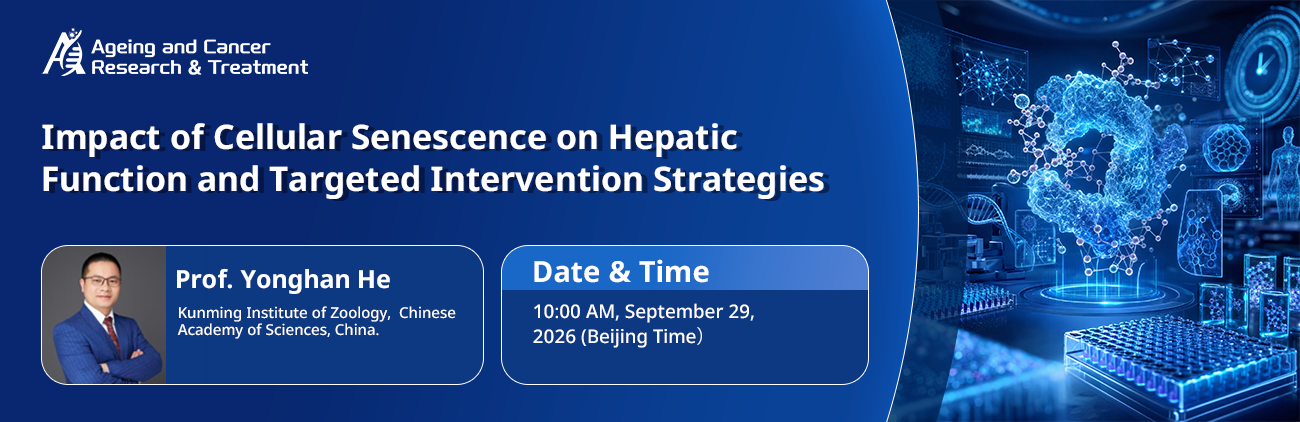
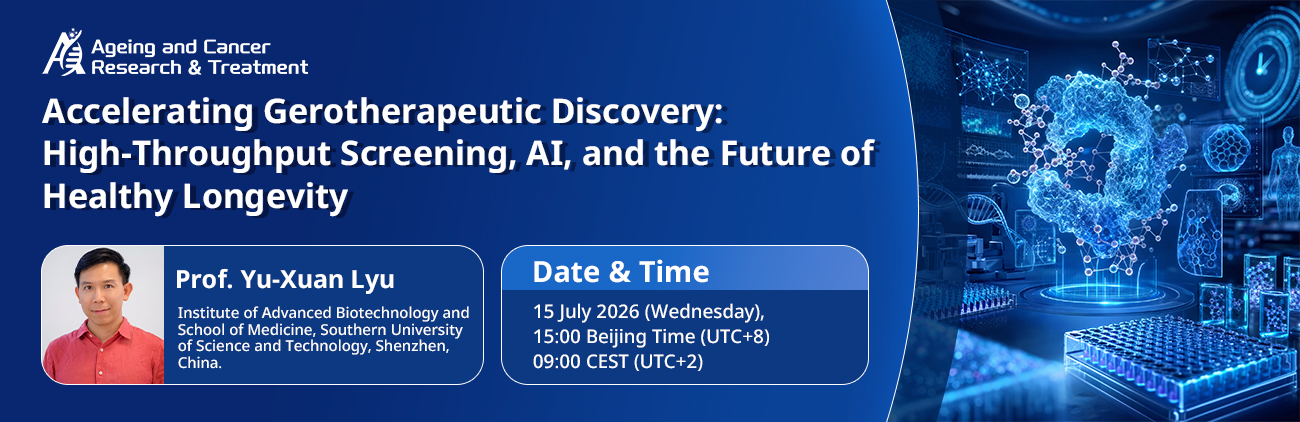
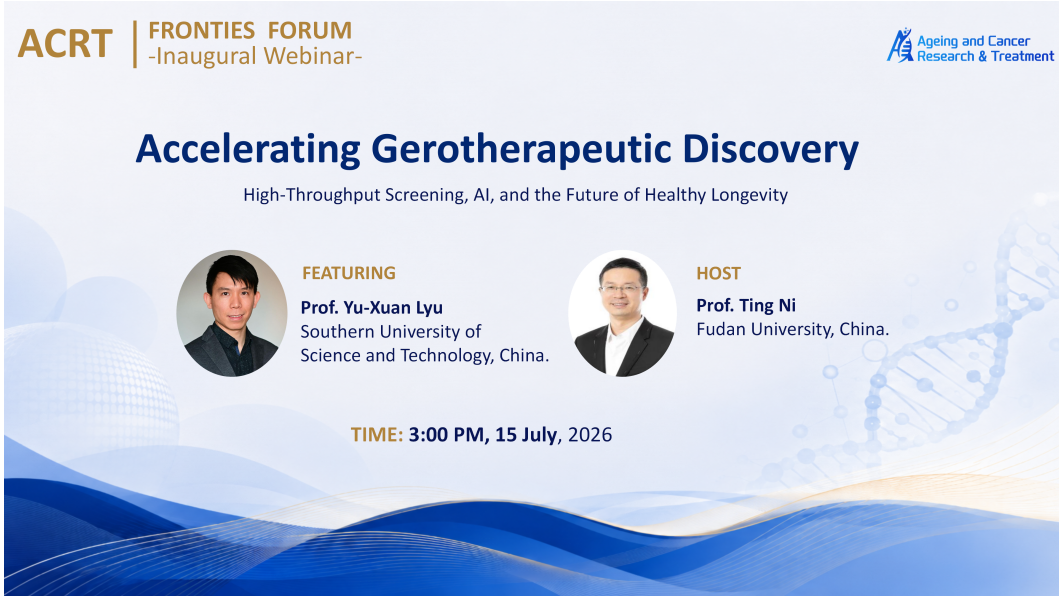
Frontier Forums
Special Issues
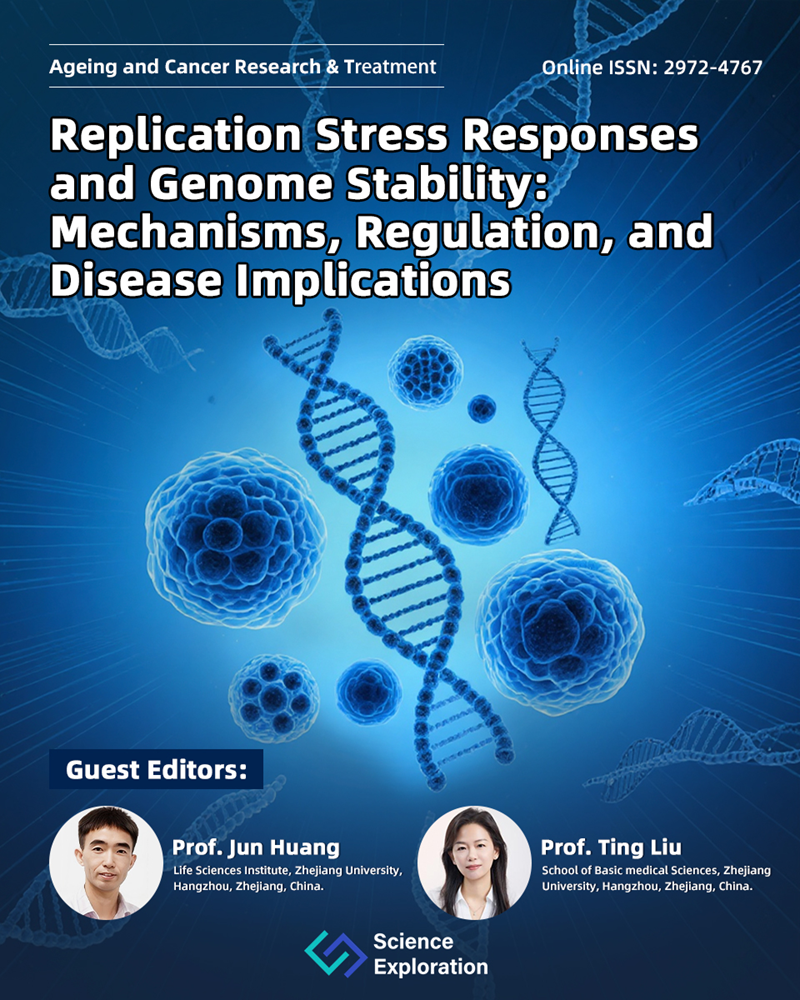
Replication Stress Responses and Genome Stability: Mechanisms, Regulation, and Disease Implications
-
Submission Deadline: 31 Jul 2026
-
Published articles: 0
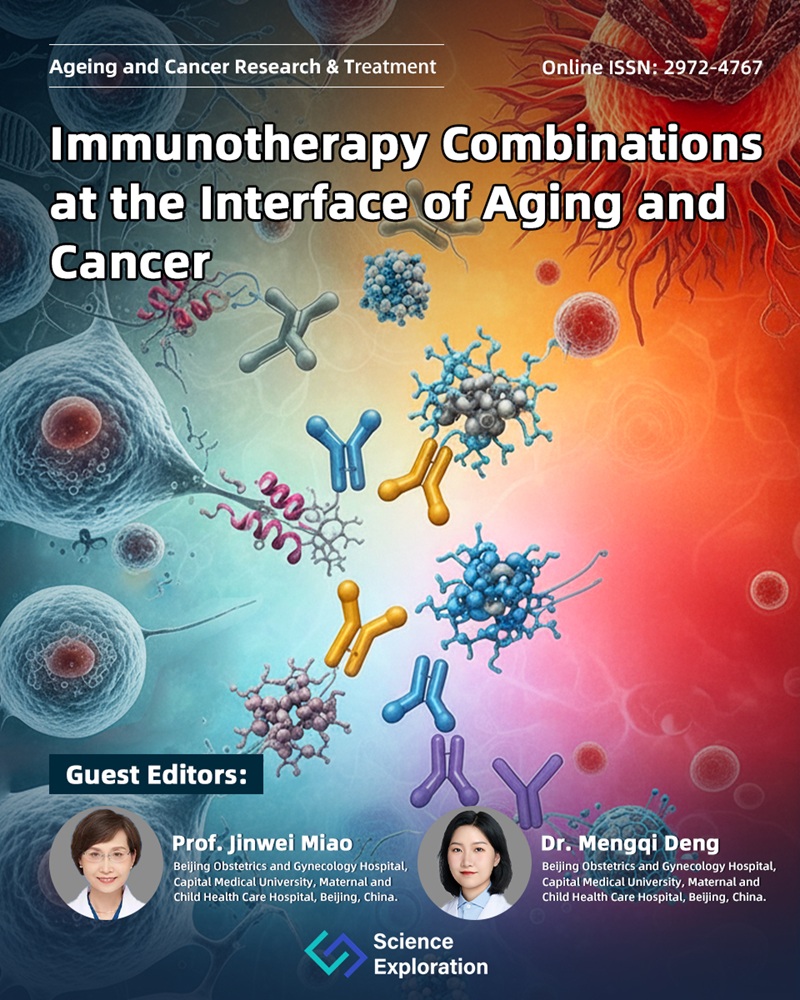
Immunotherapy Combinations at the Interface of Aging and Cancer
-
Submission Deadline: 30 Jun 2026
-
Published articles: 0
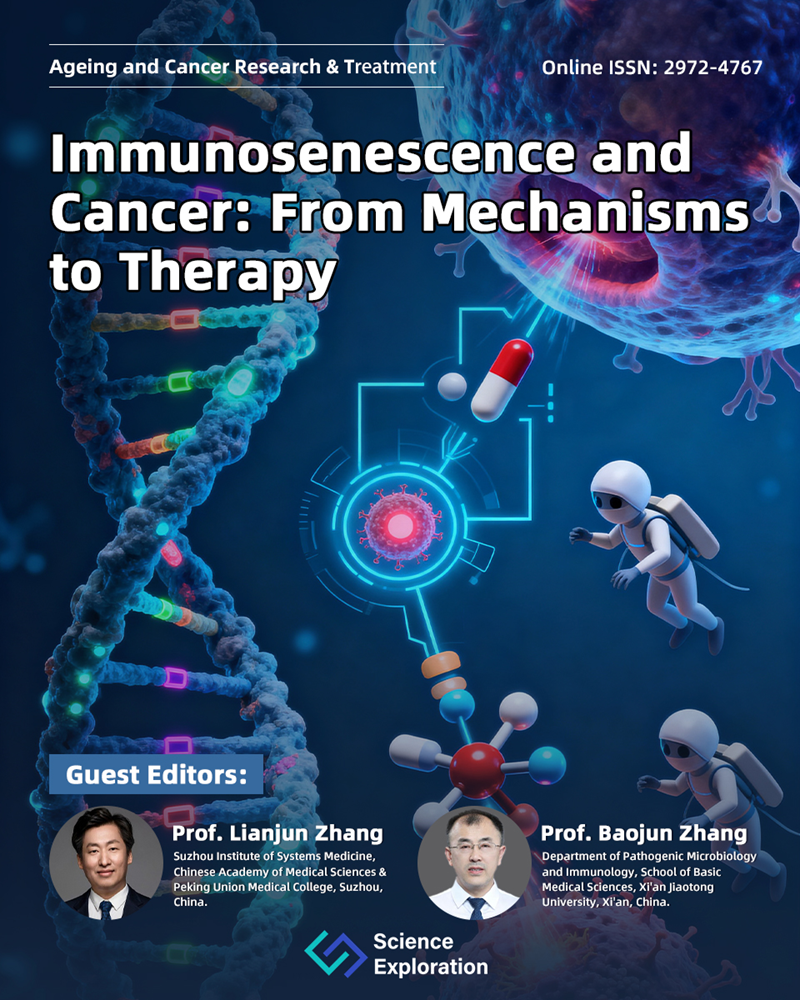
Immunosenescence and Cancer: From Mechanisms to Therapy
-
Submission Deadline: 30 Jun 2026
-
Published articles: 0
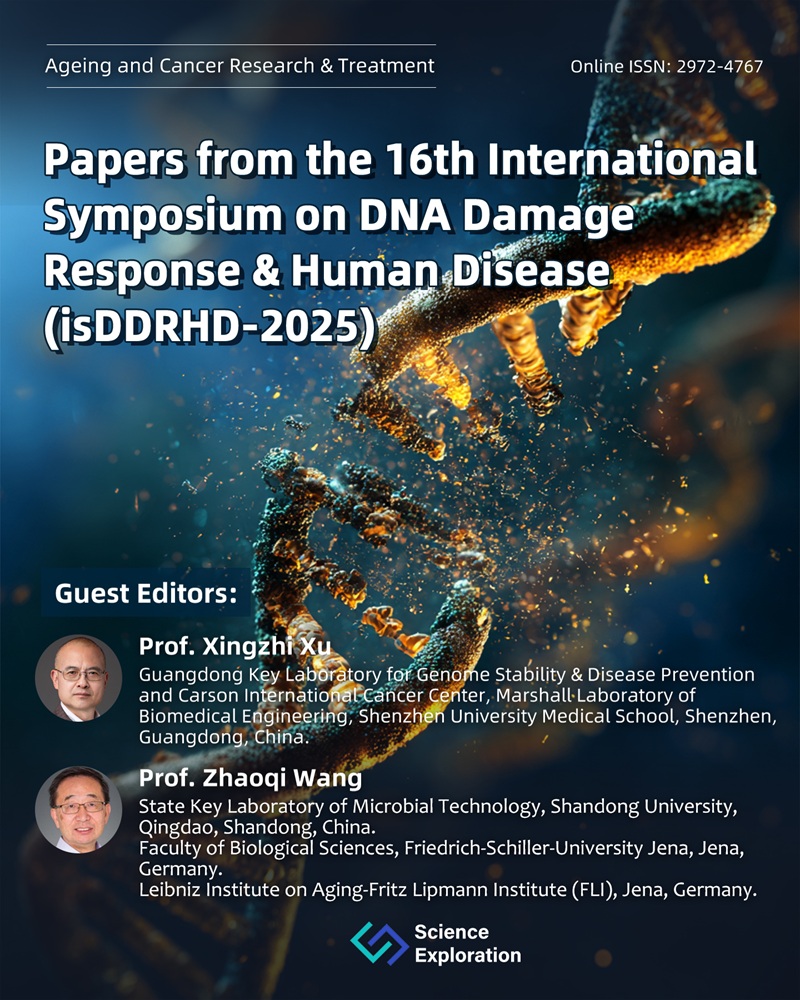
Papers from the 16th International Symposium on DNA Damage Response & Human Disease (isDDRHD-2025)
-
Submission Deadline: 30 Jun 2026
-
Published articles: 0