Conference Collaborations

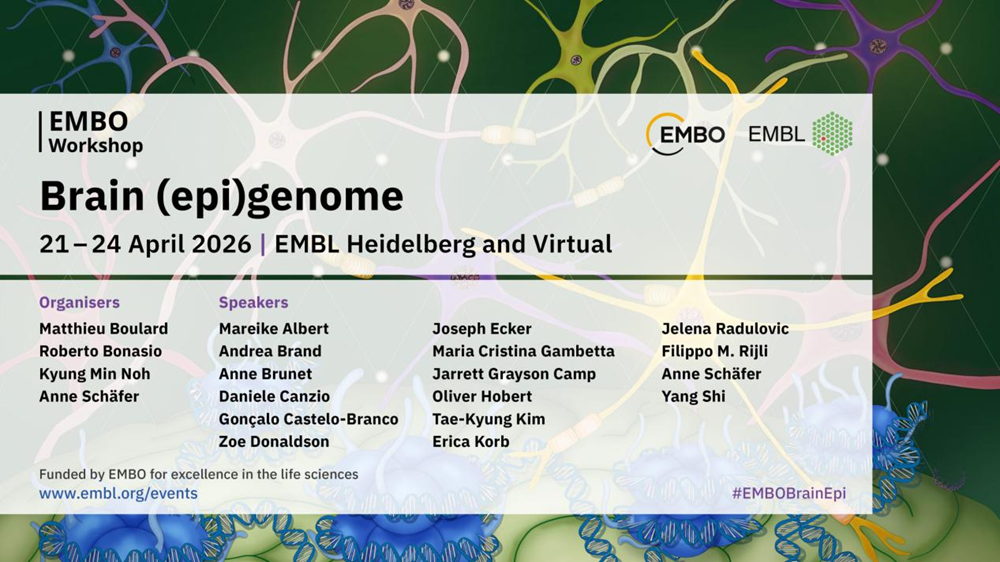
Brain (epi)genome

Date: April 21-24, 2026 | Venue: EMBL Heidelberg and Virtual

Recent technological breakthroughs in single-cell, spatial, and 3D genomics and epigenomics are revealing unprecedented insights into the molecular logic behind neural diversity as well as neuronal connectivity and function. But there is much we do not understand, especially when trying to link these molecular and cellular processes to higher brain functions such as memory and behavior, or to disrupted brain states in aging and disease. By bridging genomics, neuroscience, and epigenetics, this conference aims to stimulate new ideas on how the (epi)genome orchestrates brain function and to solidify the growing scientific community that sees the intersection of these three disciplines as fundamental to our understanding of the brain.

Website:

https://www.embl.org/about/info/course-and-conference-office/events/BRG26-01/?utm_source=ACRT&utm_medium=mpreferral&utm_id=BRG26-01

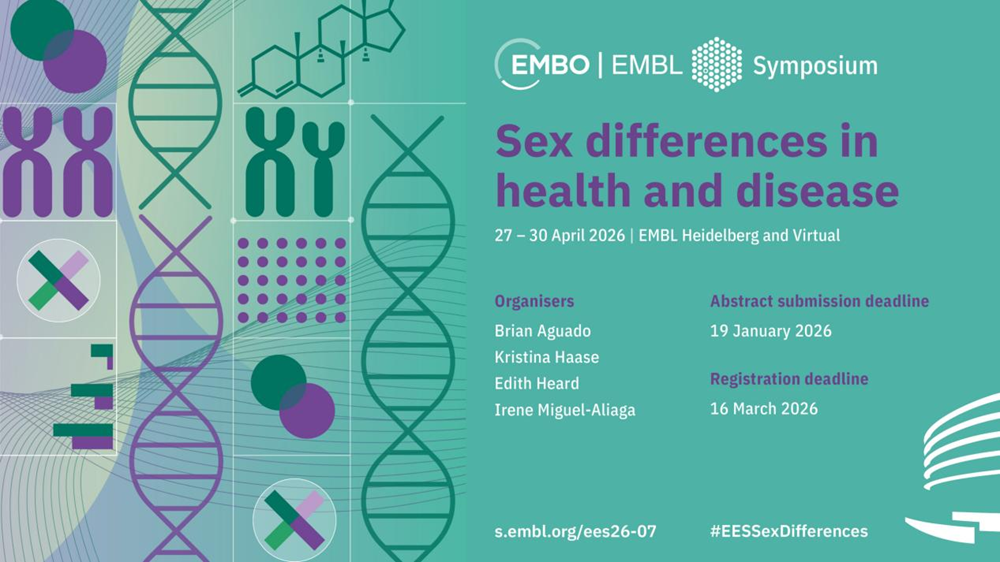
Sex differences in health and disease

Date: April 27-30, 2026 | Venue: EMBL Heidelberg and Virtual

Sex differences range from distinct dimorphisms in appearance and physiology to behaviour variations across males and females of the same species. These differences also appear in manifestations of infectious disease, ageing and age-related diseases (cancer, cardiovascular and neurodegenerative diseases). This symposium will highlight topics including sex hormone regulation of health and immunity, genetic differences leading to disease, and mosaicism. We will convene leading scientists from various global regions to delve into topics like the molecular underpinnings of sexual dimorphisms, how sex hormones regulate sexually distinct phenotypes, and the role of sex differences in the context of metabolism, infections, cancer, cardiovascular, and neurodegenerative diseases.

Website:

https://www.embl.org/about/info/course-and-conference-office/events/EES26-07/?utm_source=ACRT&utm_medium=mpreferral&utm_id=EES26-07

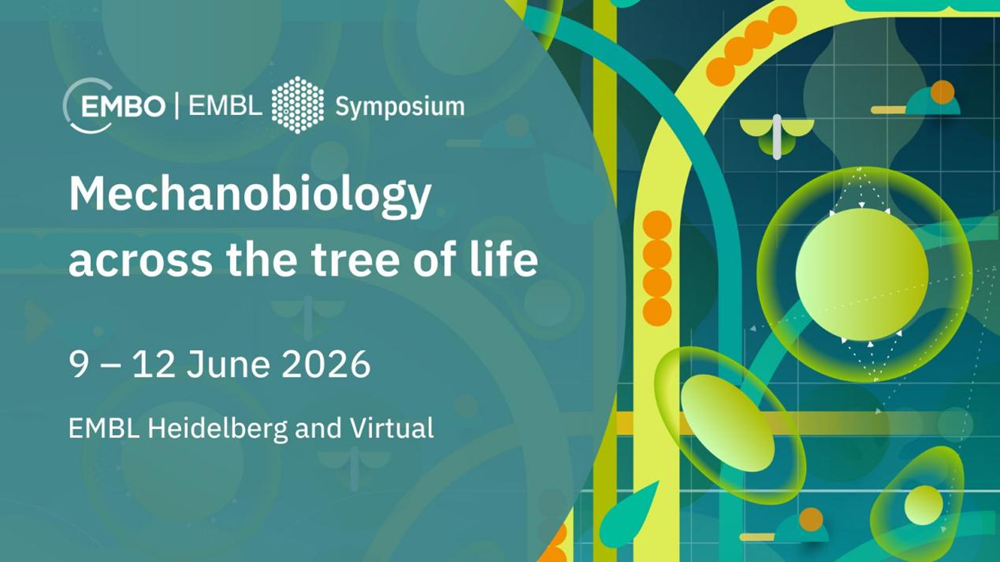
Mechanobiology across the tree of life

Date: June 9-12, 2026| Venue: EMBL Heidelberg and Virtual

How do cells and tissues build themselves and respond to their environment? Over the past decade it has become clear that physico-chemical properties are rapidly modulated to accommodate or drive changes in shape or behavior and to exchange matter and information with the environment. Responding to this important challenge, we bring together researchers across all biological systems who will particularly focus on new technologies that empower studies of cell wall, cytoskeleton, and membrane biology, such as advanced imaging in in vitro and in vivo systems, as well as approaches combining molecular biology with computational and biophysical approaches. Our goal is to inspire, catalyse, and foster collaborations across diverse communities to reach a comprehensive understanding of mechanobiology across kingdoms, integrating cell wall, actin and membrane biochemistry and biophysics with cell mechanics.

Website:

https://www.embl.org/about/info/course-and-conference-office/events/EES26-06/?utm_source=ACRT&utm_medium=mpreferral&utm_id=EES26-06

DNA replication and genome maintenance: from basic biology to human health

Date: October 20-23, 2026 | Venue: EMBL Heidelberg and Virtual

Accurate DNA replication is important for genomic stability, and several human diseases, most notably cancer, are driven by DNA replication stress. Due to the rapid advances in understanding replication fork structure and function we are now on the brink of a new understanding of replication fork stability, protection and repair. These forthcoming insights will advance our understanding of cancer etiology and lay the foundation for new therapies. By bringing together experts in the basic biology of DNA replication and genome maintenance, this EMBO | EMBL Symposium aims to fuel progress in these important fields.

Website:

https://www.embl.org/about/info/course-and-conference-office/events/EES26-13/?utm_source=ACRT&utm_medium=mpreferral&utm_id=EES26-13

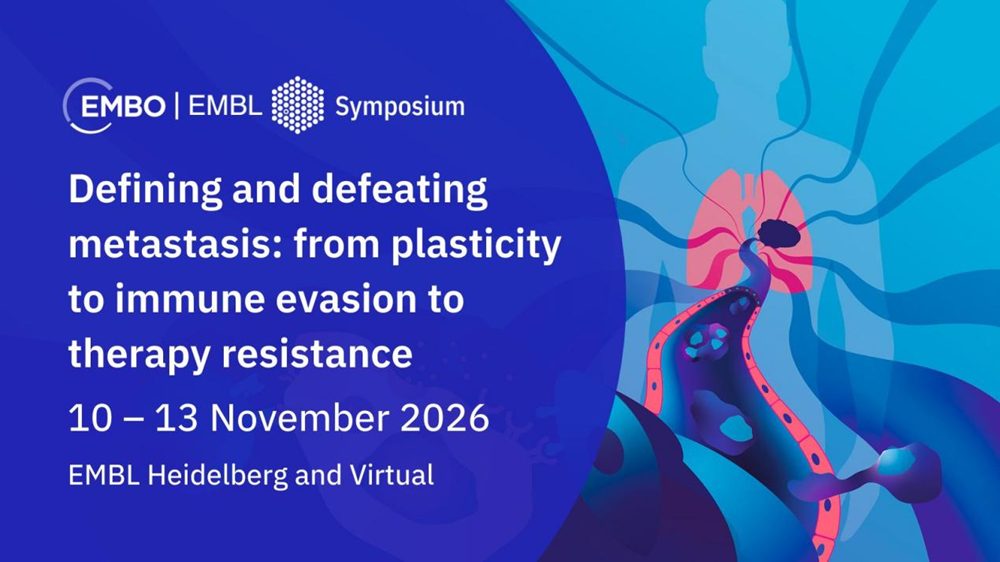
Defining and defeating metastasis: from plasticity to immune evasion to therapy resistance

Date: November 10-13, 2026 | Venue: EMBL Heidelberg and Virtual

Metastasis research is a nexus for several of the most exciting areas and technical developments of current cancer biology and translational molecular medicine. High-resolution intravital imaging, single-cell sequencing, and integrated genomics approaches, innovative tissue modelling and co-culture systems for disease screening and patient stratification all have enormous implications for our basic understanding of the mechanisms of this deadly disease, and hold great promises for progress in its successful treatment.
This symposium will cover emerging key concepts of latent metastasis and dissemination of tumour cells including evolution and genetic diversity of metastasis, circulating tumor cells, stemness, dormancy and stromal reprogrammig, transcriptional and epigenetic control, motility and invasive signaling, metastatic heterogeneity, EMT and plasticity, immune evasion, and metabolic adaptations.
The meeting will provide a unique interdisciplinary exchange on current approaches and future collaborations on metastasis and its therapeutic challenges.

Website:

https://www.embl.org/about/info/course-and-conference-office/events/EES26-05/?utm_source=ACRT&utm_medium=mpreferral&utm_id=EES26-05

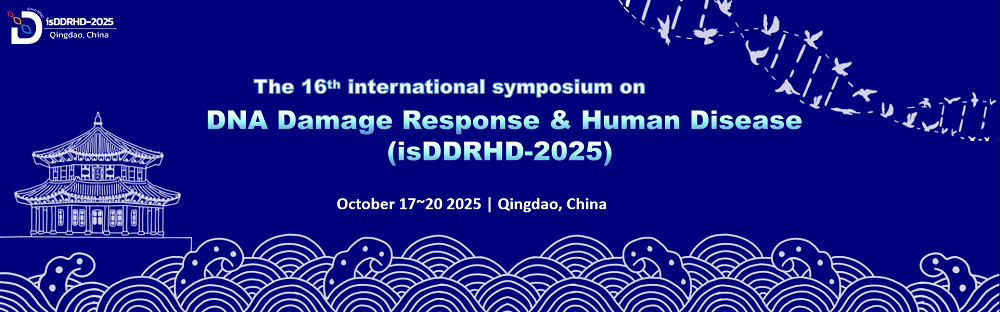
The 16th International Symposium on DNA Damage Response & Human Disease (isDDRHD-2025)

Date: October 17-20, 2025. | Venue: Qingdao, China

The 16th International Symposium on DNA Damage Response & Human Disease (isDDRHD-2025) will take place in Qingdao, China from October 17th to 20th, 2025. Hosted by Shandong University and the State Key Laboratory of Microbial Technology, this symposium focuses on the theme of DNA repair mechanisms and related human pathological processes, including cancer and aging. Topics include, but not limited to, DNA damage signalling and DNA repair, genomic stability, human diseases and aging, as well as the development of anti-cancer and anti-aging interventions. The isDDRHD series, launched in 2010, with a theme focusing on DNA damage response, genome stability and related human diseases, has evolved into one of the strongest and most respected research conferences in China.

Website:

https://isddrhd2025.gdna-cn.com/index/?lang=cn

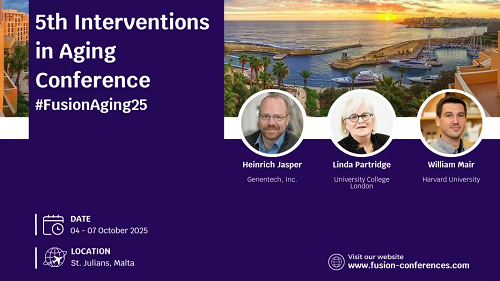
5th Interventions in Aging Conference

Date: 04 Oct 2025 - 07 Oct 2025 | Venue: St. Julian's, Malta

The conference will discuss cutting-edge work on several mechanisms of aging and the promise and challenges of translating them into interventions to improve human health during aging. Important current challenges in the field are (1) to assess the roles of somatic mutation and impaired gene expression, (2) to understand the origins of the highly damaging age-related increase in inflammation, (3) to specify the multiple interactions between organs that combine to produce age-related impairments, (4) to better understand interactions within cells that lead to decline in their function, (5) to evaluate the promise and challenges of regenerative interventions and cellular reprogramming. This fifth meeting will explore these topics, with particular emphasis on new knowledge and its potential for translation into benefits to human health during aging.

Website:

https://www.fusion-conferences.com/conference/181

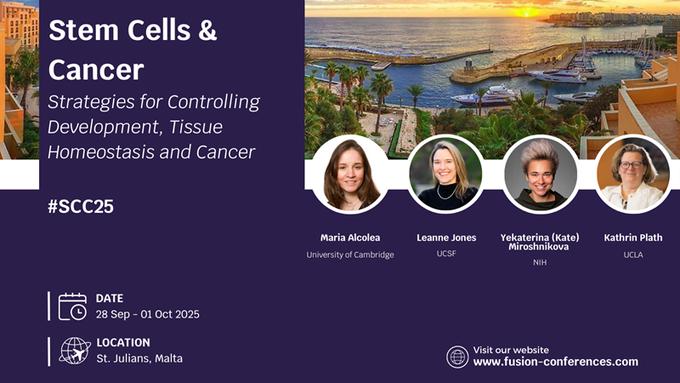
Stem Cells & Cancer Conference

Date: Sep 28 – Oct 1, 2025 | Venue: St. Julian’s, Malta

This conference will provide a platform for scientists and clinicians working on topics such as organogenesis, tumorigenesis, stem cell function, regenerative medicine, and anti-cancer therapies to catalyze collaboration and cross-fertilize ideas.
The organising committee is a continuation of the GRC “Stem Cells and Cancer” conference series.

Website:

https://www.fusion-conferences.com/conference/186

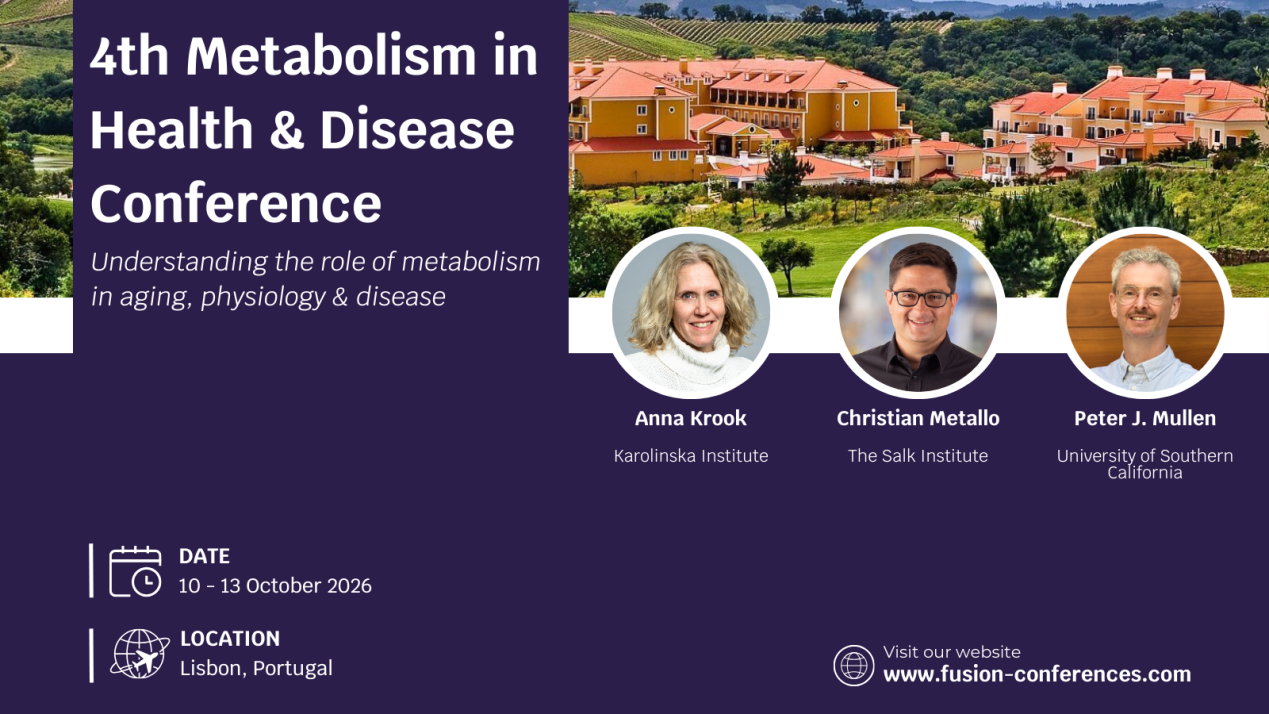
Developmental metabolism: flows of energy, matter, and information

Date: 9 - 12 Sep 2025 | Venue: EMBL Heidelberg and Virtual

In this rapidly advancing field, metabolomic methods play a crucial role in unraveling complex processes. The workshop will again aim to bring together researchers from diverse backgrounds: developmental biology, genetics, epigenetics, ecology, physics and math, to provide the developmental metabolism community with cutting-edge research and methodologies applied across scales, insights into the latest advancements in metabolomic techniques and their application to developmental biology. New for 2025 will be an increased integration of tool development and technologies and an added focus on novel metabolomic approaches.

Website:

https://www.embl.org/about/info/course-and-conference-office/events/dmb25-01/

12th Aging Research and Drug Discovery Meeting (ARDD)

Date: August 25-29, 2025 | Venue: University of Copenhagen, Denmark

The Aging Research for Drug Discovery (ARDD) conference brings together leaders in aging, longevity, and drug discovery to explore the latest advancements in understanding the molecular, cellular, and organismal basis of aging, as well as the search for potential interventions. This year, the conference will feature an exceptional lineup of speakers, including two Nobel Prize winners, and will gather top industry leaders from prominent pharmaceutical companies. The event will continue to spotlight key topics in aging research, with our signature startup pitch session, an Emerging Tech workshop, and a Physics in Aging workshop. Additionally, we will host our stellar Longevity Medicine track, focused specifically on physicians, where cutting-edge clinical interventions for healthy longevity will be presented. ARDD aims to bridge clinical, academic, and industry research to foster collaborations that will lead to practical solutions for one of humanity's most pressing challenges: aging. In line with this mission, the conference will also offer travel grants and short talk opportunities for early-career academic researchers. ARDD remains committed to advancing the knowledge and technologies that can extend the healthy lifespan of people worldwide.

Website:

https://agingpharma.org

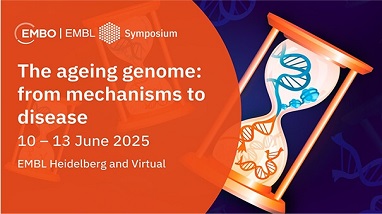
EMBL Symposium - The ageing genome: from mechanisms to disease

Date: Jun 10-13, 2025 | Venue: EMBL Heidelberg and Virtual

Ageing is often considered a complex phenotype that affects multiple organs and tissues in a time-dependent manner. This may result in the aged population consuming a myriad of medications, each aimed to treat, but not cure, the affected tissue. Recent studies have demonstrated that the "Primary Hallmarks of Ageing" are a set of five molecular mechanisms that malfunction, independent of tissue type, and drive ageing. Hence, focusing on these five hallmarks simplifies the efforts to understand ageing-associated disease. This symposium will bring together many diverse fields across topics including the below, and tie them together with the field of ageing biology and its relevant models of ageing.

Website:

https://www.embl.org/about/info/course-and-conference-office/events/EES25-05