The coming decade in ferroptosis research: Five riddles

*Correspondence to:
Adam Wahida, Institute of Metabolism and Cell Death, Helmholtz Munich, Neuherberg85764, Bavaria, Germany.
E-mail: adam.wahida@helmholtz-munich.de
Marcus Conrad, Institute of Metabolism and Cell Death, Helmholtz Munich, Neuherberg85764, Bavaria, Germany. E-mail: marcus.conrad@helmholtz-munich.de
Marcus Conrad, Institute of Metabolism and Cell Death, Helmholtz Munich, Neuherberg85764, Bavaria, Germany. E-mail: marcus.conrad@helmholtz-munich.de
Ferroptosis Oxid Stress. 2026;2:202516. 10.70401/fos.2026.0012
Received: November 06, 2025Accepted: January 05, 2026Published: January 06, 2026
Abstract
Ferroptosis is, in many ways, the odd one out among cell death modalities. It does not, at least as far as we know, require an activating signal. Instead, it represents a default cellular fate that is continuously repressed by a multilayered network of surveillance systems. At its core, ferroptosis is driven by the unchecked peroxidation of polyunsaturated phospholipids (PUFA-PLs), a vulnerability shaped by lipid bilayer composition. Glutathione peroxidase 4 is a central defense enzyme that reduces lipid hydroperoxides to their corresponding alcohols using glutathione as a cofactor. This is complemented by ferroptosis suppressor protein-1-mediated regeneration of coenzyme Q10 or vitamin K at the plasma membrane and reinforced by dietary or endogenous radical-trapping antioxidants, such as vitamin E, squalene, and
Keywords
Ferroptosis, iron metabolism, lipid peroxidation, evolutionary biology, immunogenic cell death
1. Introduction
What if ferroptosis was never meant to be a cell death pathway, but an ancient relic or an evolutionary trade-off? A molecular fossil of ancient Earth, shaped by the raw violence of iron and oxygen in a primordial soup. What if its function today is less about dying and more about remembering? About encoding evolutionary lessons in biochemical defense, and about guarding the cell’s most vulnerable structures, its lipid membranes, from one of their oldest inherent enemies: oxidation.
But more importantly, what if this ghost of ancient biochemistry is not done with humanity? What if ferroptosis is the molecular switch that governs the balance between metabolism, immunity, and the trajectory of disease? We are starting to obtain an understanding of how to block it, induce it, and likely monitor it. But do we really know why it exists in the first place?
In this perspective, we follow five riddles, some of them old, some of them emerging, which we believe could shape the next decade of ferroptosis research. These questions are not only mechanistic; they may at times seem philosophical, because understanding ferroptosis is not merely about how cells die, but about asking whether this kind of death is, in fact, an ancient form of life’s control.
2. Riddle #1: Iron Gave Ferroptosis Its Name, but Does It GiveIt Purpose, or Only Permission?
2012 is to ferroptosis what 1972 is to the apoptosis research community: the year when the term ferroptosis was first introduced, derived from the Latin word ferrum, meaning “iron”[1] (Figure 1). For approximately two decades before then, evidence had been accumulating to show the existence of a distinct non-apoptotic form of cell death driven by unrestrained, iron-dependent lipid peroxidation[2-6]. The importance of iron in ferroptosis was especially highlighted in 2008, when erastin and RSL3-induced cell death was found to depend on cellular iron levels and to be rescued not only by antioxidants[7], but also by iron chelation or genetic inhibition of cellular iron uptake[8]. In parallel, genetic perturbations of key cellular redox-related genes, especially Glutathione peroxidase 4 (GPX4) and the cystine-glutamate antiporter system xc-, were found to lead to a similar form of non-apoptotic cell death marked by the accumulation of peroxidized lipids[5,6]. Together, these findings connected iron-dependent lipid peroxidation to ferroptosis[9].

Figure 1. In iron is forged my name. His blade made my fame. Yet my grounds it fails to explain.
Evidently, the rescuing effect of iron chelators in vitro provides a solid link between ferroptosis and iron, along with its more or less well-recognized role in Fenton chemistry and ensuing lipid peroxidation[10]. However, in vivo, the exact contribution of iron to ferroptosis remains poorly understood. Especially the precise nature of iron, which contributes to lipid peroxidation in ferroptosis–whether it be in its labile form or enzyme-bound form–remains debated. As such, the peroxidation of membrane-bound, PUFA-containing lipids, which leads to the formation of phospholipid hydroperoxides, can occur either through autoxidation or enzyme-catalyzed processes[11]. In both cells and tissues, lipid peroxidation primarily occurs via autoxidation, where initiating radicals abstract bis-allylic hydrogens from PUFA chains followed by oxygenation, ultimately leading to the generation of lipid hydroperoxides. Upon initiation, this chain reaction can propagate through radical chemistry and Fenton-like processes, in which lipid hydroperoxides react with labile Fe2+ and Fe3+ ions to generate alkoyl and peroxy radicals, respectively, initiating new chain reactions. Fenton chemistry also contributes to lipid peroxidation by generating new initiating radicals, particularly hydroxyl radicals from hydrogen peroxide[11].
On the other hand, iron in non-heme iron-bound enzymes, such as lipoxygenases (LOXs), also catalyzes the production of lipid hydroperoxides[12,13]. However, the extent to which enzymatic lipid peroxidation contributes to ferroptosis remains a matter of debate and appears to critically depend on the context, the LOX isoform, and the method of ferroptosis induction[12,14-16]. For instance,
Because iron is involved in Fenton chemistry, a large body of work has demonstrated how modulating key players of iron metabolism, thereby affecting the labile iron pool (LIP), can significantly influence a cell’s sensitivity to ferroptosis. For example, the iron transporter transferrin receptor 1, which is primarily responsible for iron uptake in the form of Fe3+ -bound transferrin in most cells[18], exhibits increased expression during ferroptosis and has been proposed as a potential biomarker of ferroptosis[19], although these data require clinical scrutiny. The synthesis and autophagy-mediated degradation of the cellular iron storage protein ferritin, a protein complex that sequesters excess labile iron in the cytosol to prevent harmful Fenton reactions[20], are also able to regulate intracellular labile iron levels[21,22]. These processes thus exert opposing effects on cell sensitivity to ferroptosis[23,24]. Moreover, some cancer cells can acquire resistance to ferroptosis by enhancing iron efflux through the iron export transporter ferroportin or through the prominin-2-dependent export of ferritin-containing multivesicular bodies[25,26]. The destabilization of iron-sulfur clusters and heme degradation can also release iron, further contributing to the LIP[27], although the contribution of these to overall ferroptosis sensitivity remains poorly mapped out. Despite acknowledging the importance of iron homeostasis in ferroptosis, the specific factors that may disrupt this balance and predispose cells or organs to ferroptosis under certain pathological conditions remain to be identified. One could stipulate that these factors likely extend beyond simple metabolic mistakes and could, in fact, represent strategic choices made by cells to thrive in their environments. Cells might, for instance, intentionally accumulate iron to transition toward a more “environmentally competitive” phenotype, as in the case of iron loading during cancer cell state transition[28], or to mitigate specific stresses. Such hypothetical scenarios present cells with a dilemma: iron is crucially needed but entails a trade-off with increased vulnerability to ferroptosis.
While lipid peroxidation is known to spread to the plasma membrane in the final stages of ferroptosis[29-32], the initial site of lipid peroxidation and its potential connection to iron levels have already led to much debate. Proposed locations include the endoplasmic reticulum (ER)[31,33], mitochondria[34], ER-mitochondrial contact sites[35], and lysosomes[36-38]. In particular, mitochondria and lysosomes play critical roles in iron homeostasis, as they are inherently rich in (labile) iron[39]. It was thus intuitively believed that lipid peroxidation could first be initiated within or at the periphery of those organelles before propagating to others, such as the
Iron is known for its essential role in a myriad of physiological processes critical to life[50,51]. However, due to its high reactivity, iron overload can lead to cytotoxicity and has been implicated in disorders, such as liver fibrosis and hepatocellular carcinoma[52,53], insulin-dependent diabetes[54], and cardiomyopathy[23,27]. Increased iron deposition is also characteristic of multiple neurodegenerative diseases, such as Alzheimer’s[55,56], Parkinson’s[57], and multiple sclerosis[58]. An increasing number of studies have indeed suggested that ferroptosis is the underlying cell death mechanism in iron-overload tissues[59-62]. However, the exact role of ferroptosis in iron overload keeps researchers on their toes as they explore this complex relationship in vivo. Indeed, iron accumulation per se does not necessarily result in ferroptosis. For instance, both the liver and pancreas of mice with systemic iron overload accumulate similarly excessive levels of iron; yet only the pancreas is extensively affected, resulting in exocrine pancreatic failure[63]. Additionally, in aged mice, ferritin-driven iron deposition occurs in the hippocampus, which impairs cognitive function; yet, no ferroptotic cell death was detected in the neurons of this brain region[64]. It is noteworthy that iron chelation therapies have been tested in phase II clinical trials in patients with Alzheimer’s disease and Parkinson’s disease, yet they markedly worsened clinical outcomes[65,66]. Multiple elements, such as iron management and specific pathological conditions, can thus influence the induction of ferroptosis in contexts of iron overload. Therefore, the link between excessive iron and ferroptosis warrants careful interpretation and calls for further investigation to establish their cause-and-effect relationships.
3. Riddle #2: If Ferroptosis Is Older than Multicellularity, Was It Born to Kill, or to Protect?
“Ferroptosis” and the history of its development are inextricably linked to the origin of primordial forms of life. This has its roots in prokaryotic life approximately 3.8 billion years ago[67] (Figure 2). In the anoxic oceans of the early Earth, soluble ferrous iron (Fe2+) was a fundamental nutrient for primordial organisms. The Great Oxygen Event (GOE), also referred to as the “sulfur era”, led to changes in geochemistry that made iron (Fe), oxygen (O), and sulfur (S) vital components of all forms of life[68]. This resulted in the iron paradox and a crucial evolutionary problem for all living organisms. One could argue that iron played a double role, being an essential nutrient as well as a catalyst of oxidative reactions by Fenton chemistry, which exerted a selective pressure for the evolution of complex regulatory systems, such as dedicated iron-binding safeguarding and ROS eliminating systems[69], and for the emergence of cell death pathways like ferroptosis as the ultimate key regulatory mechanism.
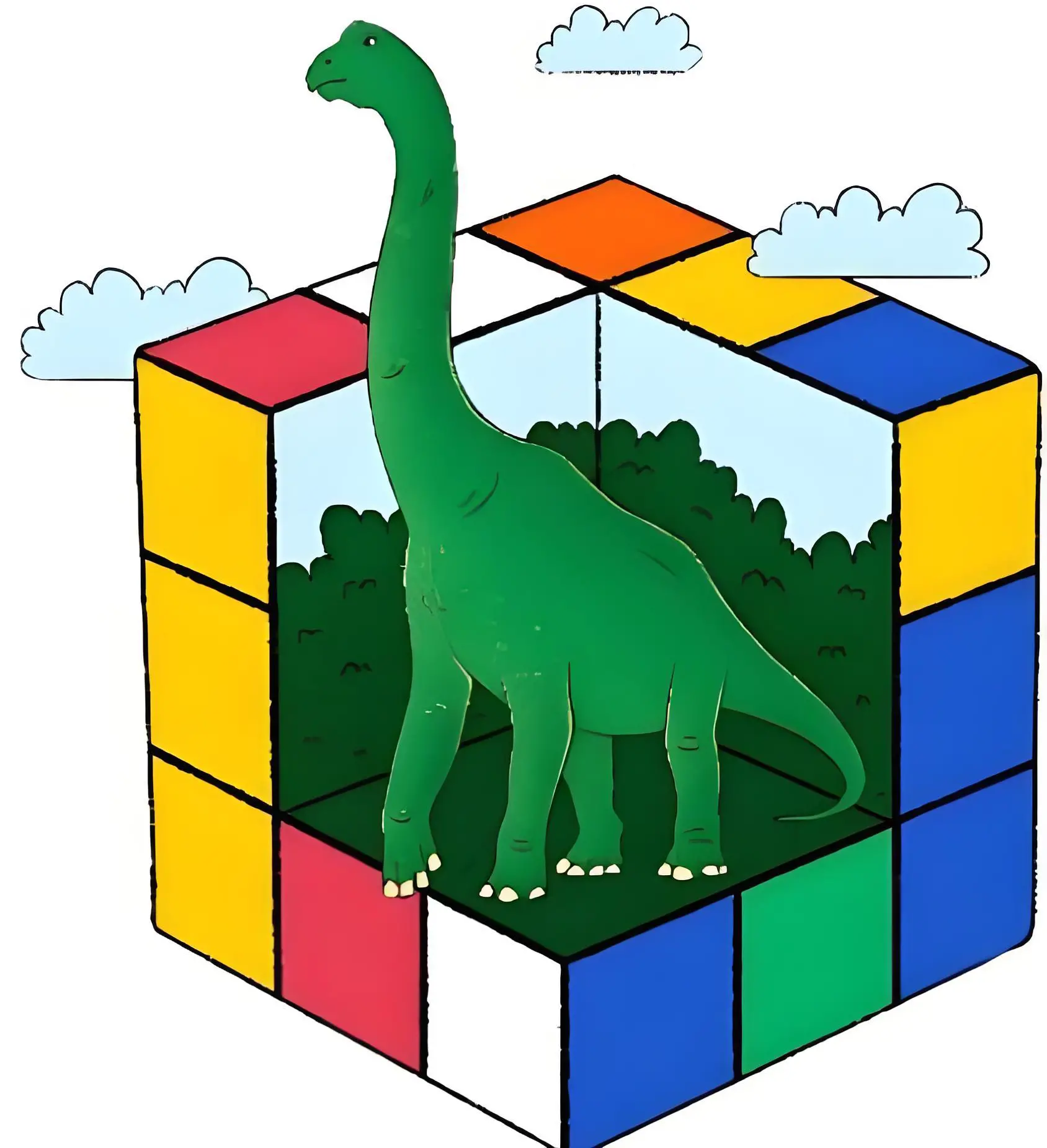
Figure 2. Through millennia and species, I thrive. From giant fossils to tiniest lives. Ever since iron and oxygen collision, I am the echo of life’s adaptation.
The evolutionary lineage of ferroptosis is also intriguing, since its molecular determinants appear to be highly conserved across evolutionarily distant species, including protozoa, plants, fungi, and mammals[70-72]. For instance, the presence of key surveillance proteins, such as GPX4 and ferroptosis suppressor protein-1 (FSP1), is preserved from yeast to mammals, revealing a fundamental evolutionary dependency[73]. In mammals, the best-studied mechanism of the antiferroptotic defense centers around GPX4, which effectively counteracts ferroptosis by reducing highly reactive (phospho)lipids and cholesterol hydroperoxides to their respective alcohols[74,75]. GPX4 belongs to the larger family of eight glutathione peroxidases in mammals, each with distinct substrate specificities and tissue distributions. Five of these glutathione peroxidases in humans belong to a unique family of selenoproteins, present in all three domains of life, which are characterized by carrying at least one selenocysteine (Sec), generally responsible for the oxidoreductase function of selenoproteins[76]. Selenium itself is an essential trace element in the cell, present in significant amounts as an amino acid residue in selenoproteins. Sec is encoded by the opal codon UGA, requiring its own specific tRNA[77]. Moreover,
Current evidence suggests that selenoproteins are ancient evolutionary relics that have been progressively replaced by their common cysteine (Cys)-containing homologs across bacterial, archaeal, and eukaryotic domains[79,80]. This suggests a clear evolutionary trajectory for antioxidant systems as they readily adapt to changing environmental and metabolic demands. For example, in aerobic organisms where oxygen is the prime electron acceptor, a process inevitably linked to the generation of ROS, bacteria like Staphylococcus aureus upregulate their Cys-based thioredoxin systems to counteract oxidative stress[81]. Similarly, in Bacillus subtilis, the presence of redox-active “resolving” cysteines in peroxidase enzymes functions as elegant molecular switches, managing the cellular redox environment by cycling between thiol and disulfides, thereby protecting the “peroxidatic” cysteine from irreversible peroxide-induced overoxidation[82]. This fateful event is prevented by thiols under the control of non-heme peroxidases throughout evolution, culminating in mammalian GPX4, which has become highly specialized for reducing lipid hydroperoxides, a task for which its cysteine-containing ancestors were less efficient[83].
The vulnerability to oxygen and iron exposure, eventually causing lipid peroxidation, was present even in simpler organisms[73]. The fundamental “lipid divide” as a result of divergent evolution, differentiated archaea and eubacteria, which triggered different defensive systems[84]. Archaea use ether linkages - single bonds between an oxygen and two carbon atoms (R-O-R’) - which are chemically stable and resistant to cleavage by oxidizing conditions[85]. Eubacteria, on the other side, use ester linkages (R-CO-O-R’), which are more susceptible to chemical breakdown, particularly through oxidation[85]. Due to this unique membrane chemistry, archaea, as precursors of mammals, might naturally be protected from overoxidation and, in the case of well-studied vertebrates, from ferroptosis[86]. Eubacteria, on the other hand, developed an alternative survival strategy, like sporulation to protect themselves from harsh environmental conditions[87].
As the complexity of the organisms grew, lipid profiles changed to complex and highly specialized systems, playing a role in intercellular communication (e.g., PUFAs as precursors of eicosanoids), homeostasis, temperature regulation, the nervous system, and vision[86]. The significant components of membranes in latest organisms is fatty acids (FA), which are activated by acyl-CoA synthetases (ACSLs) by ligating them to coenzyme A (CoA), creating water-soluble acyl-CoAs, which are either directed to metabolic pathways or are being used as building blocks for lipid membranes[88]. ACSL homologs are found in all three domains of life[89], undergoing countless rounds of diversification over billions of years, resulting in the large family of ACSL enzymes, each with specialized roles. For example, in humans, the different isoforms (ACSL1, ACSL3, ACSL4) have preferences for different types of fatty acids and are expressed in various tissues[90]. It could be inferred that the ancient role of ACSLs in building membranes creates a vulnerability, and the specific adaptation enriches membranes susceptible to iron-catalyzed peroxidation and ferroptosis. It might seem that all these signatures illustrate an evolutionary “arms race” - as the threat of lipid peroxidation grew with the membrane compartment growing in complexity, a more specialized defense system developed.
The most recent evolutionary invention, primarily present in vertebrates and tracing back more than 550 million years ago, is the cystine-glutamate antiporter system xc-. This transporter is a support system fueling the GPX4 pathway, among others[91]. It functions by importing cystine from the extracellular environment, which is subsequently reduced to cysteine inside cells, the rate-limiting substrate for GSH biosynthesis. GSH is the preferred cofactor of GPX4 function and is important for numerous cellular processes, including Fe-S cluster biogenesis, drug metabolism, and likely Fe2+ chaperoning in the LIP. The gene encoding SLC7A11, the substrate specificity conferring active subunit of the cystine transporter in the system xc-, arose after the evolutionary split between protostomes (insects, mollusks, and worms) and deuterostomes[92]. The appearance of system xc- in deuterostomes represents a significant adaptive turnover and an evolutionary advantage, most likely related to the complexity of antioxidant defenses and glutamatergic signaling[93]. Therefore, ferroptosis, as we know it today, appears to be more than a mechanism of death; it may be an echo of life’s adaptation to a changing environment, a memory written into the interplay among iron, lipids, and genes.
4. Riddle #3: Is Ferroptosis a Fire We Must Extinguish, or a Flame We Must Learn to Wield? How Can We Extinguish Fire With Ferroptosis?
Ferroptosis is a fundamental process in cellular life and death, and consequently, systematically modulating it carries significant risks (Figure 3). A central challenge is achieving therapeutic control: how do we design highly potent drugs, that are harmless everywhere else? Recent research suggests that several compounds can selectively induce ferroptosis in cancer cells, providing a potential therapeutic target[94]. But is it that easy? It is well known that only a few compounds working in the cell culture are directly translatable to the in vivo context. Such widely used drugs include erastin, RSL3, and FIN56, all of which have poor metabolic stability, low bioavailability, and toxicity, thereby restricting their use in any in vivo experiment[10]. Ferrostatin-1, an archetypal ferroptosis inhibitor, is still commonly used in mouse experiments, but has already been shown to have inferior metabolic stability and is rapidly cleared from the bloodstream, which needs to be taken into consideration[95]. Moreover, cell and tissue susceptibility to ferroptosis is highly context-dependent, influenced by numerous factors, such as, for example, fetal bovine serum, growth media supplements, cell density, as well as cell-to-cell metabolic crosstalk during in vitro handling[96-99].
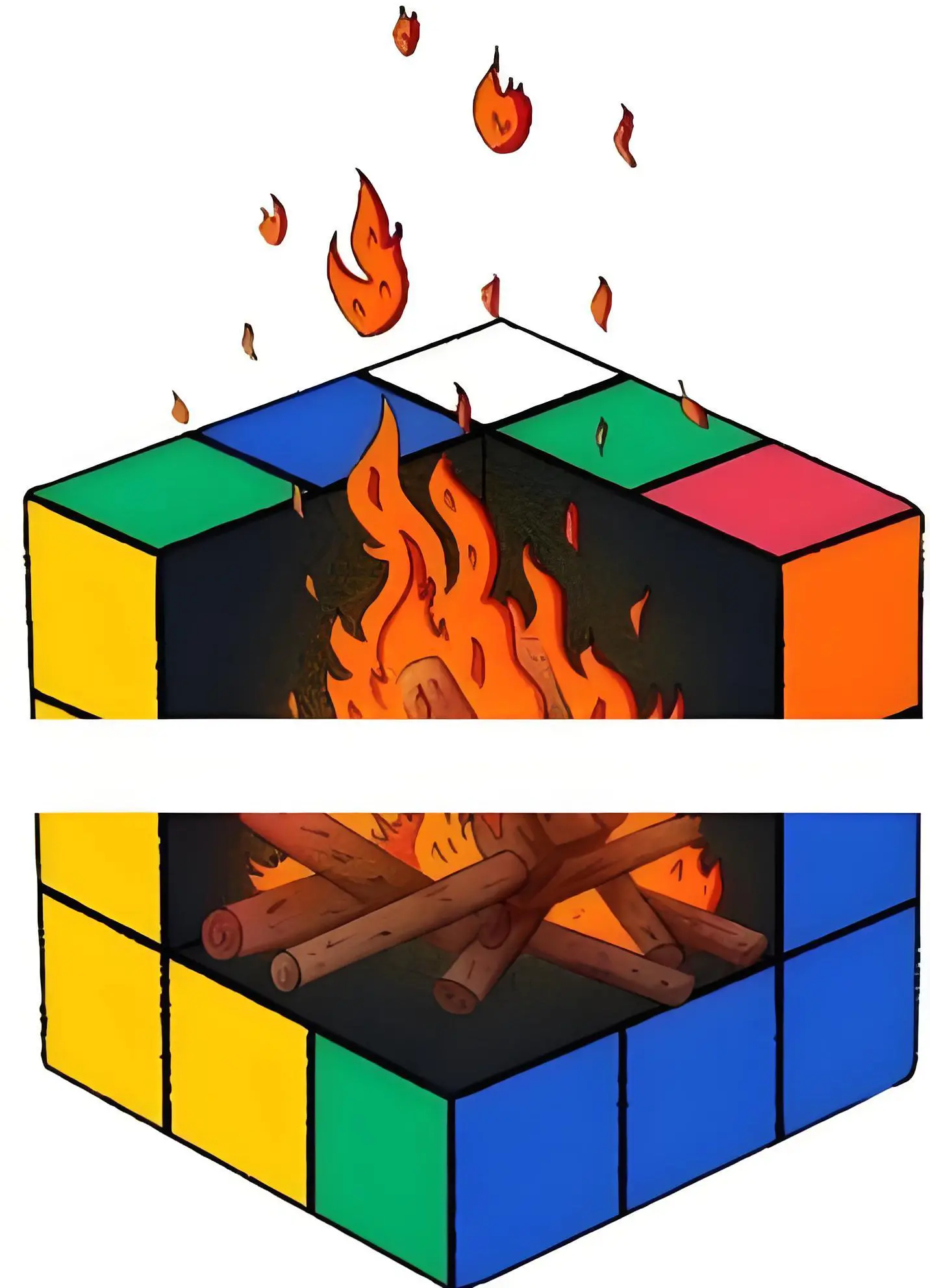
Figure 3. Many diseases bear my trace. To target me, has begun the race. I am a fire to be doused or stoked. Yet still uncatchable like smoke
The selective induction of ferroptosis in vivo has been observed with compounds like APR-246, triggering ferroptosis through modulating cysteine metabolism and contributing to the therapeutic effect in acute myeloid leukemia[100] and esophageal squamous cell carcinoma[101]. Additionally, preclinical studies of JKE1674, which targets GPX4 directly, had high potential in lung cancer treatment, overcoming its resistance to ferroptosis induction[102]. Nevertheless, neither the FDA nor the EMA approved either of these compounds for the treatment of cancer, as they were unable to demonstrate a statistically significant improvement over existing treatments. Some studies suggest that specific hormonal environments may modulate ferroptosis sensitivity, opening therapeutic possibilities in cancer therapy. In breast cancer, for instance, estrogen has been demonstrated to confer resistance to ferroptosis[103] through the upregulation of SLC7A11 and GPX4[103]. Conversely, membrane lipid-modifying enzymes, in particular MBOAT
But what if we focus on the clinically approved strategies? For instance, the antipsychotic drug caripazine (CAR), a dopamine receptor partial agonist, has been shown to modulate multidrug resistance in cancer cells[113]. More importantly, CAR increases 7-DHC levels, thereby decreasing neuronal susceptibility to ferroptosis in ischemic brain injury[114]. Among clinically approved iron chelators, deferiprone (DFP) and deferasirox (DFX), have shown effective inhibition of ferroptosis in animal models of cardiac and kidney injury, as well as neurodegeneration[1,1151116]. However, the major limitation of this therapeutic approach is the proven toxicity associated with long-term treatment. Other candidates include sorafenib, approved for liver and kidney cancers[117], which as an off-target effect, was reported to inhibit the system xc- transporter (although refuted in subsequent studies[118]), and sulfasalazine, which acts through the same mechanism but is used for rheumatoid arthritis and ulcerative colitis[119,120]. It is, however, important to note that sulfasalazine is a rather poor system xc- inhibitor, requiring extremely high doses, which were even lethal in clinical studies designed to treat glioblastoma[121]. Another FDA-approved molecule, N-acetylcysteine (NAC), widely used as a mucolytic agent and antidote for acetaminophen poisoning, and is also gaining attention as an anti-ferroptotic drug by rapidly replenishing the intracellular cysteine pool[122]. One unique example of compensatory therapy against impaired GPX4 function is a high-vitamin E diet, reported in a case of the rare genetic disorder Spondylometaphyseal Dysplasia Sedaghatian type (SSMD)[123,124]. Vitamin E directly incorporates into cell membranes and quenches lipid radicals, acting as an inhibitor of ferroptosis and serving as an already established supportive
Among therapeutic approaches for inhibiting ferroptosis, liproxstatins represent one of the most extensively studied classes of compounds. In particular, Liproxstatin-1 has demonstrated significant potential across a range of diseases driven by lipid peroxidation[15,125]. A notable example is its protective effect in ischemia-reperfusion injury, where it has been shown to shield both the kidneys and liver from lethal damage[126]. This class of molecules has proven effective in various applications, including organ preservation for transplantation, and holds promise as a potent anti-ferroptotic agent for both systemic and central nervous system applications[124]. Collectively, these studies highlight not only the strong current interest in this area but also the complexity of the therapeutic landscape, given that ferroptosis is a multifaceted mechanism involving whole biological systems, which makes it particularly challenging to target and manipulate.
5. Riddle #4: It Takes Two to Tango or to Spark a Fiery Quarrel – How Do Cells Engage in the Intriguing Dance of Ferroptosis?
Dying cells possess their own language, the so-called damage-associated molecular patterns (DAMPs), which are typically immunostimulatory[127]. Most DAMPs actually become accessible only upon plasma membrane rupture. Just like other forms of necrotic cell death, distinguishable from apoptosis[128], ferroptosis ultimately leads to membrane rupture and the release of the cellular content. Indeed, lipid peroxidation damages the plasma membrane[31,32,129,130], increasing the tension on this cell structure, leading to ion channel opening, osmotic swelling, and eventually plasma membrane rupture[131,132]. Ferroptotic cells have been shown to release two well-known DAMPs, namely high mobility group protein B1 and ATP[133], along with cytokines, especially TNF and interferon-β[134], and macrophage migration inhibitory factor[99]. While these DAMPs exhibit innate immune activity and are also released by necrotic cells, other chemocytokines known to be released by apoptotic or necroptotic cells, such as CXCL1 and, are not released during ferroptosis[99]. Interestingly, ferroptotic cells appear particularly prone to release anabolic metabolites, such as those from the pentose-phosphate pathway, tricarboxylic acid cycle, and methionine cycle, along with oxylipins and nucleotides, including ATP and oxidized 8-hydroxy-2’-deoxyguanosine, compared to cells dying from other modalities like apoptosis and necroptosis[99], making those nucleotides potential ferroptosis-specific DAMPs. Ferroptotic cells also expose the ER protein calreticulin and specific oxidized phospholipids to the outer leaflet of the plasma membrane[133,135], which may serve as signals for macrophage phagocytosis through Toll-like receptor 2, both in vitro and in vivo[136]. Whether ferroptotic cells release or expose other (ferroptosis-specific) DAMPs remains largely unknown. Moreover, are the DAMPs released by ferroptotic cells sufficient for them to be noticed? Regardless of the cell death modality, there is an ongoing debate about which of the numerous known DAMPs are essential activators of inflammation[137], an identity that may vary from one cell death modality to another. Additionally, the time elapsing between the initiation of membrane damage and cell bursting, which is also influenced by the activation of membrane repair mechanisms, may affect how dying cells communicate with their environment. Notably, the endosomal sorting complex required for transport III (ESCRT-III), a critical membrane repair machinery, is activated during ferroptosis execution and may thus modulate the secretion of DAMPs by ferroptotic cells[138,139].
One notable example of pathological intercellular dialogue occurs between cancer cells and immune cells in the tumor microenvironment (TME). When it comes to adaptive immunity and cancer, the concept of proinflammatory response or death translates to immunogenic cell death[140]. To be considered immunogenic, cell death must occur in a context of failed adaptation to stress (i.e., pathogenic), be associated with the release of DAMPs and proinflammatory cytokines in sufficient quantities (i.e., adjuvanticity), and under microenvironmental conditions favorable to the recruitment of dendritic cells (i.e., permissivity) and the subsequent priming of T cells (i.e., antigenicity), as well as for T cell infiltration and effector functions[133,141].
Ferroptosis, although not immunologically silent and rather cytotoxically and adjuvantly loud, presents conflicting evidence regarding its antigenicity and permissivity. Some studies suggest that ferroptotic cancer cells impede dendritic cell maturation and antigen-presenting capacity, thereby reducing anti-tumor immune responses[134,135,142]. In contrast, others indicate that early ferroptosis in cancer cells may promote dendritic cell maturation and prophylactic vaccination effectiveness[143]. Additionally, ferroptotic cancer cells may promote the acquisition of a given phenotype by other cells in the TME, as is the case with the immunosuppressive nature of tumor-infiltrating neutrophils, that secrete PUFA-loaded vesicles[144], or the lipolytic nature of
Since ferroptosis is thus a language that transcends species boundaries, it can be involved in inter-species dialogues, such as those observed between a pathogen and its host (Figure 4). Several studies have suggested that ferroptosis plays a role in infections and pathogenicity. For example, Plasmodium falciparum releases products that sensitize cells of the blood-brain barrier to ferroptosis, thereby increasing microvascular permeability in the brain and worsening cerebral malaria[163]. Similarly, Pseudomonas aeruginosa induces ferroptosis in human bronchial epithelial cells by expressing a lipoxygenase that oxidizes host arachidonic acid-containing phospholipids[164]. As a further example, Mycobacterium tuberculosis triggers a cascade that leads to decreased GPX4 expression, fostering ferroptosis in host cells while promoting its own dissemination[165]. Viruses such as Hepatitis B and SARS-CoV-2 also appear to have engineered systems capable of triggering ferroptosis in host cells[166,167]. On the contrary, there is evidence that hepatocytes can commit a ferroptotic-like suicide in response to Hepatitis C infection in order to restrict viral replication[168]. Whether such ferroptotic suicide occurs in other host cells under pathogenic struggles remains largely unclear. The dialogue of ferroptosis thus extends far beyond species, and may in fact be acting as a hidden weapon in the everlasting conflict between invading pathogens and their hosts.
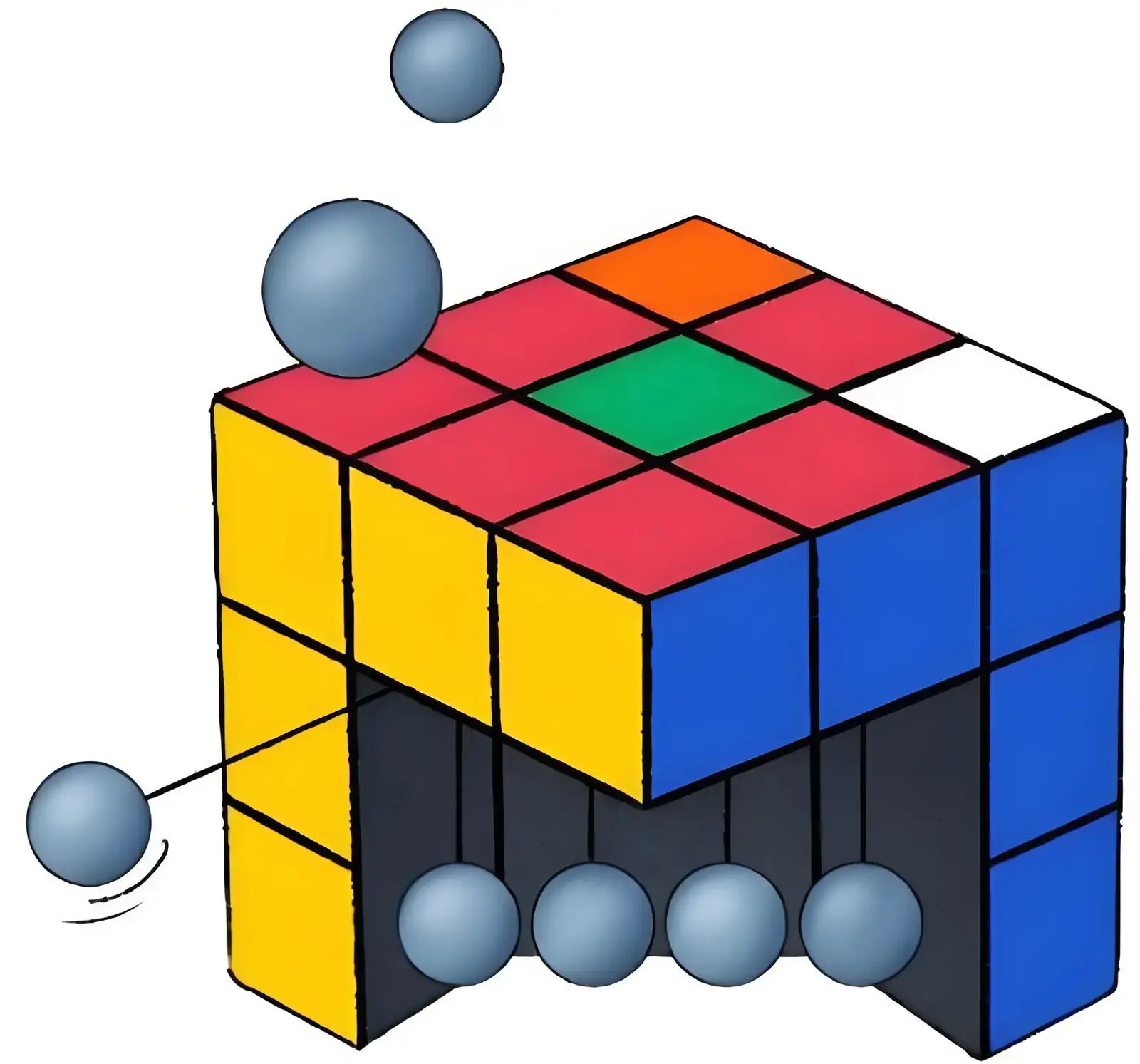
Figure 4. I am not antigenic, but I make sounds. In cell’ solidarity or hardship, I resound. I may be both the action and the reaction. Giving rise to near and far repercussions.
In more physiological contexts, cells may unite their metabolic forces to prevent ferroptosis from occurring in their neighbors. A truly fascinating example of such metabolic cooperation can be found in the brain, where neurons and astrocytes closely communicate to enable intense neuronal electrochemistry, all while restraining oxidative stress. Neurons can afford to divert glucose from glycolysis to produce large amounts of NADPH through the pentose-phosphate pathway, only because astrocytes provide them with lactate for mitochondrial respiration[169-171]. Such collaboration also exists regarding the supply of GSH: astrocytes supply cysteine-glycine dipeptides to neurons through the γ-glutamyl cycle for the synthesis of GSH to compensate for the neurons’ inability to import cystine due to their lack of system xc- transporter[172]. Similar support is provided by oligodendrocytes, which, for instance, transfer ferritin to prevent labile-iron-mediated ferroptotic axonal damage[173]. Although these metabolic cooperations seem essential for protecting neurons against ferroptosis and thus ensuring cerebral functions, they can turn sour in pathological conditions. For instance, the susceptibility of microglia to iron dysregulation and ferroptosis can cause neuronal lipid peroxidation and
6. Riddle #5: If Ferroptosis Obeys No Signal But Is Always Suppressed, Does It Qualify as Truly Regulated, or Does It Defy the Very Concept?
Apoptosis is lit by caspases, necroptosis by kinases, and pyroptosis by inflammasomes[177]. Each form awaits a trigger that sets off a well-defined series of cascades and ultimately reaches a point of no return. According to our current knowledge, ferroptosis seems to wait for nothing but sits uncharted within the canon of regulated cell death. It seems always there, latent, needing only the absence of defenses. One could even say its regulation is not activation, but rather suppression: the activity of GPX4 or FSP1, the recycling of GSH, the buffering of iron, and the distribution of fatty acids in membranes[178]. Therefore, can we truly call ferroptosis “regulated” if its essence is the absence of regulation? One might even question whether ferroptosis is a death pathway at all, or rather the revelation of life’s constant battle against entropy and the flow of electrons, i.e., the oxidation of vulnerable lipids involving iron and oxygen.
Stepping back for a moment, we might first ask ourselves what exactly defines a cell death pathway as being “regulated” (Figure 5)? According to the Nomenclature Committee on Cell Death, regulated cell death differs from accidental cell death in its ability to be controlled by a dedicated molecular and cellular machinery, making it modulable and capable of being either delayed or accelerated by pharmacological or genetic interventions[179]. As it is caused by fundamental chemical reactions that can be considered

Figure 5. For other cell deaths, 1 am a fool. As I seem to follow no rules. Am I a puppet held by unknown lines? Or merely sabotage without signs?
Perhaps what raises more doubt about ferroptosis being a regulated form of cell death is the fact that it challenges our view of what a classic cell death cascade looks like, as suggested by other experts in the field[182]. For decades, signaling pathways have been conceptualized as networks of interactions between proteins and other biomolecules, such as metabolites, which positively or negatively impinge on each other[183]. Cell death signaling pathways are described in particular as cascades of events based on interactions between transcription factors, enzymes, cytokines, and metabolites[183]. Ferroptosis challenges this classical pathway narrative because it is best captured as a cell death relying on highly context-dependent mechanisms that converge on a unique biochemical event, that is, again, unrestrained lipid peroxidation[182]. Indeed, a plethora of actors that may influence the likelihood of redox defense failure and thus modulate cell sensitivity to ferroptosis in a highly context-dependent manner have been uncovered over the years[178]. Although these discoveries have contributed to our understanding of ferroptosis, they have above all highlighted the complexity of ferroptosis as a cell death paradigm centered on ancient chemical mechanisms, shrouded in a dark veil of regulators that vary to a greater or lesser extent depending on the context. Moreover, ferroptosis is integrated into a network of multiple cell death modalities that are interrelated. For instance, expression signatures from necroptosis, pyroptosis, ferroptosis, and parthanatos were all found in the retina under ischemia reperfusion injury, with each cell death modality appearing to be involved at different time points of injury[184]. In itself, ferroptosis may therefore challenge our view of cell death signaling cascades, but does it really make it any less regulated?
Another obscure question remains open: what makes the difference between life and ferroptotic death? All modalities of regulated cell death are considered to include a ‘point of no return’, a moment when adaptive responses have failed and the cell is irreversibly doomed to die[179]. For example, the permeabilization of the mitochondrial outer membrane or the activation and oligomerization of MLKL at the plasma membrane were considered to be the points of no return in a molecular pathway toward apoptosis[185] or necroptosis[186], respectively. However, recently, evidence has been accumulating to question the existence of such a point of no return[187-189]. In particular, it appears increasingly clear that regulated cell death pathways may not have a single point of no return, but rather several, giving cells the opportunity to respond and survive along their path to death, at least to some extent. As a process driven by the uncontrolled generation of lipid peroxides[29,30,130], one may stipulate that ferroptosis fits perfectly into this new paradigm and does not appear to have a single molecular point of no return. Instead, we suggest that the point of no return in ferroptosis may be more of a peroxidation threshold. Once lipid peroxidation and membrane damage exceed the cell’s defense capabilities, membrane integrity is lost[132], leading to death. This concept also questions whether there exists a minimum proportion of the phospholipid pool that must be oxidized before cells irreversibly toggle to ferroptosis.
Depending on the strength of its defense systems, a cell can theoretically undergo ferroptosis without reaching a point of no return, allowing it to survive. This would imply that the cell somehow implements counter mechanisms that act as negative feedback loops, sending the message to prevent death at all costs. Although rare, there are a few examples of such negative feedback in cells undergoing ferroptosis. The endosomal sorting complex required for transport (ESCRT) mechanism, which is activated in response to membrane damage as a repair mechanism in several cell death pathways, including necroptosis[190] and pyroptosis[191-193], is also thought to be engaged by ferroptosis-prone cells[138-139]. This repair mechanism is activated upon calcium ion influx when the plasma membrane is already damaged[194] and therefore represents a late feedback attempt to delay plasma membrane rupture. Another negative feedback mechanism could be an activation of the antioxidant response via the transcription factor NRF2, a key regulator of cellular redox homeostasis. While NRF2 abundance is maintained at low levels through Kelch-like ECH-associated protein 1
7. Concluding Remarks and Outlook
In little more than a decade, ferroptosis has transitioned from being a biochemical curiosity into a defining challenge for the entire cell death field, prompting the emergence of ever more interesting and, simultaneously, still hard-to-address issues. And similar to all good riddles, each apparent answer has only deepened its surrounding mystery, prompting in turn new questions (Figure 6). We thus slowly acknowledge: ferroptosis resists neat categorization or shall we provocative say subjugation? At the same time, it is arguably always there, waiting, yet never truly summoned; a death pathway without a canonical signal, a program which seems to only unfold when protection falters. In this inversion lies the (maybe just semantic) paradox: is it regulated if its only regulation is suppression? Or is ferroptosis the shadow cast by life’s constant vigilance, proof that survival itself is nothing more than the art of holding oxidation under control? While we and, in fact, an increasing number of extraordinary laboratories worldwide search for its purpose, we should maybe consider that perhaps ferroptosis has none. Maybe - and there is something unsettling in this when looking at this question from a cell death angle - it is less a pathway than a consequence, sometimes more like an echo of ancient and basic redox chemistry that still reverberates through our cells. And yet, its fingerprints appear everywhere: in the catastrophic phenotypes of deletion, in the rare but devastating human syndromes of GPX4 mutation, in the smoldering hints of pathology across models of cancer, ischemia, and neurodegeneration. And still, frustratingly, we lack the smoking gun, the unambiguous signature, the ultimate decisive proof of its role in human disease beyond ultra-rare genetic syndromes.

Figure 6. Surely, I leave questions behind; Still challenging researchers’ minds; Like a Rubik’s Cube with no definitive solution; Opening up all possible future horizons?
The presented riddles of ferroptosis thus remain highly suggestive but topical: why it exists, how deadly it is, whether it has a physiological role beyond accident, where in the cell it begins, and whether it is genuinely part of the canon of regulated death or forever the odd one out. The decade ahead will likely not entirely resolve these questions so much as sharpen their edges. New tools will bring us closer to understanding ferroptosis in its native habitats, while new biomarkers may enable us to track its fleeting presence in human tissues. New therapeutics may also teach us precisely when to utilize ferroptosis as a therapeutic tool and when to counteract it. But the deeper challenge will be conceptual: to decide whether ferroptosis is a program to die, or simply the price of being alive in a world based on electrons, iron and oxygen. Perhaps the true lesson is that life does not regulate death so much as it postpones it, or, differently put, that ferroptosis is not the exception to the rule, but the rule itself, finally exposed. Or even more tantalizing, perhaps ferroptosis is not a program at all, but the reflection in life’s own eyes: the glimpse of death that appears the moment we dare to blink.
Acknowledgements
This paper is an homage to Douglas Green’s iconic riddle analogy, which served as inspiration to the authors in this work and beyond. We thank Alexa Bartle for the graphical illustrations and all members of the Conrad lab for their insights and support.
Authors contribution
Levkina A, Vermonden P: Conceptualization, writing-original draft, writing review & editing.
Wahida A: Conceptualization, supervision, writing-original draft, writing review & editing.
Conrad M: Conceptualization, funding acquisition, supervision, writing review & editing.
Conflicts of interest
Marcus Conrad is Editorial Board Member of Ferroptosis and Oxidative Stress, and holds patents for some of the compounds described herein. No other conflicts of interest to declare.
Ethical approval
Not applicable.
Consent to participate
Not applicable.
Consent of publication
Not applicable.
Availability of data and materials
Not applicable.
Funding
Marcus Conrad acknowledges support by Deutsche Forschungsgemeinschaft (DFG) Priority Program SPP 2306 (CO 291/9-1, #461385412; CO 291/10-1, #461507177; CO 291/9-2, CO 291/10-2, CO 291/14-1) and the DFG CRC 353 (CO 291/11-1; #471011418), the German Federal Ministry of Education and Research (BMBF) FERROPATH (01EJ2205B) and the European Research Council (ERC) under the European Union’s Horizon 2020 research and innovation program (grant agreement No. GA 884754). Perrine Vermonden was supported by a fellowship from the Alexander von Humboldt-Stiftung.
Copyright
© The authors 2026.
References
-
1. Dixon SJ, Lemberg KM, Lamprecht MR, Skouta R, Zaitsev EM, Gleason CE, et al. Ferroptosis: An iron-dependent form of nonapoptotic cell death. Cell. 2012;149(5):1060-1072.[DOI]
-
2. Murphy TH, Miyamoto M, Sastre A, Schnaar RL, Coyle JT. Glutamate toxicity in a neuronal cell line involves inhibition of cystine transport leading to oxidative stress. Neuron. 1989;2(6):1547-1558.[DOI]
-
3. Ratan RR, Murphy TH, Baraban JM. Macromolecular synthesis inhibitors prevent oxidative stress-induced apoptosis in embryonic cortical neurons by shunting cysteine from protein synthesis to glutathione. J Neurosci. 1994;14(7):4385-4392.[DOI]
-
4. Dolma S, Lessnick SL, Hahn WC, Stockwell BR. Identification of genotype-selective antitumor agents using synthetic lethal chemical screening in engineered human tumor cells. Cancer Cell. 2003;3(3):285-296.[DOI]
-
5. Seiler A, Schneider M, Förster H, Roth S, Wirth EK, Culmsee C, et al. Glutathione peroxidase 4 senses and translates oxidative stress into 12/15-lipoxygenase dependent- and AIF-mediated cell death. Cell Metab. 2008;8(3):237-248.[DOI]
-
6. Banjac A, Perisic T, Sato H, Seiler A, Bannai S, Weiss N, et al. The cystine/cysteine cycle: A redox cycle regulating susceptibility versus resistance to cell death. Oncogene. 2008;27(11):1618-1628.[DOI]
-
7. Yagoda N, von Rechenberg M, Zaganjor E, Bauer AJ, Yang WS, Fridman DJ, et al. RAS–RAF–MEK-dependent oxidative cell death involving voltage-dependent anion channels. Nature. 2007;447(7146):865-869.[DOI]
-
8. Yang WS, Stockwell BR. Synthetic lethal screening identifies compounds activating iron-dependent, nonapoptotic cell death in oncogenic-RAS-harboring cancer cells. Chem Biol. 2008;15(3):234-245.[DOI]
-
9. Conrad M, Wahida A. The many paths ascending to ferroptosis. Nat Chem Biol. 2025;21(1):18-19.[DOI]
-
10. Mishima E, Nakamura T, Doll S, Proneth B, Fedorova M, Pratt DA, et al. Recommendations for robust and reproducible research on ferroptosis. Nat Rev Mol Cell Biol. 2025;26(8):615-630.[DOI]
-
11. Conrad M, Pratt DA. The chemical basis of ferroptosis. Nat Chem Biol. 2019;15(12):1137-1147.[DOI]
-
12. Yang WS, Kim KJ, Gaschler MM, Patel M, Shchepinov MS, Stockwell BR. Peroxidation of polyunsaturated fatty acids by lipoxygenases drives ferroptosis. Proc Natl Acad Sci U.S.A. 2016;113(34):E4966-E4975.[DOI]
-
13. Schneider C, Pratt DA, Porter NA, Brash AR. Control of oxygenation in lipoxygenase and cyclooxygenase catalysis. Chem Biol. 2007;14(5):473-488.[DOI]
-
14. van Leyen K, Kim HY, Lee SR, Jin G, Arai K, Lo EH Baicalein and 12/15-lipoxygenase in the ischemic brain. Stroke. 2006;37(12):3014-3018.[DOI]
-
15. Friedmann Angeli JP, Schneider M, Proneth B, Tyurina YY, Tyurin VA, Hammond VJ, et al. Inactivation of the ferroptosis regulator Gpx4 triggers acute renal failure in mice. Nat Cell Biol. 2014;16(12):1180-1191.[DOI]
-
16. Jin G, Arai K, Murata Y, Wang S, Stins MF, Lo EH, et al. Protecting against cerebrovascular injury. Stroke. 2008;39(9):2538-2543.[DOI]
-
17. Chu B, Kon N, Chen D, Li T, Liu T, Jiang L, et al. ALOX12 is required for p53-mediated tumour suppression through a distinct ferroptosis pathway. Nat Cell Biol. 2019;21(5):579-591.[DOI]
-
18. Hentze MW, Muckenthaler MU, Andrews NC. Balancing acts: molecular control of mammalian iron metabolism. Cell. 2004;117(3):285-297.[DOI]
-
19. Feng H, Schorpp K, Jin J, Yozwiak CE, Hoffstrom BG, Decker AM, et al. Transferrin receptor is a specific ferroptosis marker. Cell Rep. 2020;30(10):3411-3423.e3417.[DOI]
-
20. Arosio P, Levi S. Ferritin, iron homeostasis, and oxidative damage. Free Radic Biol Med. 2002;33(4):457-463.[DOI]
-
21. Mancias JD, Wang X, Gygi SP, Harper JW, Kimmelman AC. Quantitative proteomics identifies NCOA4 as the cargo receptor mediating ferritinophagy. Nature. 2014;509(7498):105-109.[DOI]
-
22. Dowdle WE, Nyfeler B, Nagel J, Elling RA, Liu S, Triantafellow E, et al. Selective VPS34 inhibitor blocks autophagy and uncovers a role for NCOA4 in ferritin degradation and iron homeostasis in vivo. Nat Cell Biol. 2014;16(11):1069-1079.[DOI]
-
23. Fang X, Cai Z, Wang H, Han D, Cheng Q, Zhang P, et al. Loss of cardiac ferritin H facilitates cardiomyopathy via Slc7a11-mediated ferroptosis. Circ Res. 2020;127(4):486-501.[DOI]
-
24. Gao M, Monian P, Pan Q, Zhang W, Xiang J, Jiang X. Ferroptosis is an autophagic cell death process. Cell Res. 2016;26(9):1021-1032.[DOI]
-
25. Tuo Qz, Lei P, Jackman KA, Li Xl, Xiong H, Li Xl, et al. Tau-mediated iron export prevents ferroptotic damage after ischemic stroke. Mol Psychiatry. 2017;22(11):1520-1530.[DOI]
-
26. Brown CW, Amante JJ, Chhoy P, Elaimy AL, Liu H, Zhu LJ, et al. Prominin2 drives ferroptosis resistance by stimulating iron export. Dev Cell. 2019;51(5):575-586.e574.[DOI]
-
27. Fang X, Wang H, Han D, Xie E, Yang X, Wei J, et al. Ferroptosis as a target for protection against cardiomyopathy. Proc Natl Acad Sci U. A. 2019;116(7):2672-2680.[DOI]
-
28. Müller S, Cañeque T, Solier S, Rodriguez R. Copper and iron orchestrate cell-state transitions in cancer and immunity. Trends Cell Biol. 2025;35(2):105-114.[DOI]
-
29. Doll S, Proneth B, Tyurina YY, Panzilius E, Kobayashi S, Ingold I, et al. ACSL4 dictates ferroptosis sensitivity by shaping cellular lipid composition. Nat Chem Biol. 2017;13(1):91-98.[DOI]
-
30. Kagan VE, Mao G, Qu F, Angeli JPF, Doll S, Croix CS, et al. Oxidized arachidonic and adrenergic PEs navigate cells to ferroptosis. Nat Chem Biol. 2017;13(1):81-90.[DOI]
-
31. von Krusenstiern AN, Robson RN, Qian N, Qiu B, Hu F, Reznik E, et al. Identification of essential sites of lipid peroxidation in ferroptosis. Nat Chem Biol. 2023;19(6):719-730.[DOI]
-
32. Freitas FP, Alborzinia H, dos Santos AF, Nepachalovich P, Pedrera L, Zilka O, et al. 7-Dehydrocholesterol is an endogenous suppressor of ferroptosis. Nature. 2024;626(7998):401-410.[DOI]
-
33. Gaschler MM, Hu F, Feng H, Linkermann A, Min W, Stockwell BR. Determination of the subcellular localization and mechanism of action of ferrostatins in suppressing ferroptosis. ACS Chem Biol. 2018;13(4):1013-1020.[DOI]
-
34. Gao M, Yi J, Zhu J, Minikes AM, Monian P, Thompson CB, et al. Role of mitochondria in ferroptosis. Mol Cell. 2019;73(2):354-363.e353.[DOI]
-
35. Sassano ML, Tyurina YY, Diokmetzidou A, Vervoort E, Tyurin VA, More S, et al. Endoplasmic reticulum-mitochondria contacts are prime hotspots of phospholipid peroxidation driving ferroptosis. Nat Cell Biol. 2025;27(6):902-917.[DOI]
-
36. Torii S, Shintoku R, Kubota C, Yaegashi M, Torii R, Sasaki M, et al. An essential role for functional lysosomes in ferroptosis of cancer cells. Biochem J. 2016;473(6):769-777.[DOI]
-
37. Saimoto Y, Kusakabe D, Morimoto K, Matsuoka Y, Kozakura E, Kato N, et al. Lysosomal lipid peroxidation contributes to ferroptosis induction via lysosomal membrane permeabilization. Nat Commun. 2025;16(1):3554.[DOI]
-
38. Cañeque T, Baron L, Müller S, Carmona A, Colombeau L, Versini A, et al. Activation of lysosomal iron triggers ferroptosis in cancer. Nature. 2025;642(8067):492-500.[DOI]
-
39. Muckenthaler MU, Rivella S, Hentze MW, Galy B. A red carpet for iron metabolism. Cell. 2017;168(3):344-361.[DOI]
-
40. Zhang T, Sun L, Hao Y, Suo C, Shen S, Wei H, et al. ENO1 suppresses cancer cell ferroptosis by degrading the mRNA of iron regulatory protein 1. Nat Cancer. 2022;3(1):75-89.[DOI]
-
41. Alvarez SW, Sviderskiy VO, Terzi EM, Papagiannakopoulos T, Moreira AL, Adams S, et al. NFS1 undergoes positive selection in lung tumours and protects cells from ferroptosis. Nature. 2017;551(7682):639-643.[DOI]
-
42. Soula M, Weber RA, Zilka O, Alwaseem H, La K, Yen F, et al. Metabolic determinants of cancer cell sensitivity to canonical ferroptosis inducers. Nat Chem Biol. 2020;16(12):1351-1360.[DOI]
-
43. Nakamura K, Kawakami T, Yamamoto N, Tomizawa M, Fujiwara T, Ishii T, et al. Activation of the NLRP3 inflammasome by cellular labile iron. Exp Hematol. 2016;44(2):116-124.[DOI]
-
44. Zhou B, Zhang J, Liu X, Chen H, Ai Y, Cheng K, et al. Tom20 senses iron-activated ROS signaling to promote melanoma cell pyroptosis. Cell Res. Zhou B, Zhang J, Liu X, Chen H, Ai Y, Cheng K, et al
-
45. Zhu L, Hu J, Wu X, Zhang J, Xu X, Huang X, et al. Programmed enhancement of endogenous iron-mediated lysosomal membrane permeabilization for tumor ferroptosis/pyroptosis dual-induction. Nat Commun. 2025;16(1):3017.[DOI]
-
46. Gupta PB, Onder TT, Jiang G, Tao K, Kuperwasser C, Weinberg R, et al. Identification of selective inhibitors of cancer stem cells by high-throughput screening. Cell. 2009;138(4):645-659.[DOI]
-
47. Mai TT, Hamaï A, Hienzsch A, Cañeque T, Müller S, Wicinski J, et al. Salinomycin kills cancer stem cells by sequestering iron in lysosomes. Nat Chem. 2017;9(10):1025-1033.[DOI]
-
48. Viswanathan VS, Ryan MJ, Dhruv HD, Gill S, Eichhoff OM, Seashore-Ludlow B, et al. Dependency of a therapy-resistant state of cancer cells on a lipid peroxidase pathway. Nature. 2017;547(7664):453-457.[DOI]
-
49. Hangauer MJ, Viswanathan VS, Ryan MJ, Bole D, Eaton JK, Matov A, et al. Drug-tolerant persister cancer cells are vulnerable to GPX4 inhibition. Nature. 2017;551(7679):247-250.[DOI]
-
50. Lill R. Function and biogenesis of iron-sulphur proteins. Nature. 2009;460(7257):831-838.[DOI]
-
51. van Swelm RPL, Wetzels JFM, Swinkels DW. The multifaceted role of iron in renal health and disease. Nat Rev Nephrol. 2020;16(2):77-98.[DOI]
-
52. Bridle KR, Frazer DM, Wilkins SJ, Dixon JL, Purdie DM, Crawford DHG, et al. Disrupted hepcidin regulation in HFE-associated haemochromatosis and the liver as a regulator of body iron homoeostasis. Lancet. 2003;361(9358):669-673.[DOI]
-
53. Kowdley KV. Iron, hemochromatosis, and hepatocellular carcinoma. Gastroenterology. 2004;127(5):S79-S86.[DOI]
-
54. Fernández-Real JM, Peñarroja G, Castro A, García-Bragado F, López-Bermejo A, Ricart W. Blood letting in high-ferritin type 2 diabetes: Effects on vascular reactivity. Diabetes Care. 2002;25(12):2249-2255.[DOI]
-
55. Ayton S, Portbury S, Kalinowski P, Agarwal P, Diouf I, Schneider JA, et al. Regional brain iron associated with deterioration in alzheimer's disease: A large cohort study and theoretical significance. Alzheimers Dement. 2021;17(7):1244-1256.[DOI]
-
56. Ayton S, Faux NG, Bush AI, Weiner MW, Aisen P, Petersen R, et al. Ferritin levels in the cerebrospinal fluid predict Alzheimer’s disease outcomes and are regulated by APOE. Nat Commun. 2015;6(1):6760.[DOI]
-
57. Devos D, Moreau C, Devedjian JC, Kluza J, Petrault M, Laloux C, et al. Targeting chelatable iron as a therapeutic modality in Parkinson’s disease. Antioxid Redox Signal. 2014;21(2):195-210.[DOI]
-
58. Van San E, Debruyne AC, Veeckmans G, Tyurina YY, Tyurin VA, Zheng H, et al. Ferroptosis contributes to multiple sclerosis and its pharmacological targeting suppresses experimental disease progression. Cell Death Differ. 2023;30(9):2092-2103.[DOI]
-
59. Xiang W, Zhang T, Li B, Li S, Zhang B, Fang S, et al. Senescent macrophages induce ferroptosis in skeletal muscle and accelerate osteoarthritis-related muscle atrophy. Nat Aging. 2025;5(7):1295-1316.[DOI]
-
60. Mann J, Reznik E, Santer M, Fongheiser MA, Smith N, Hirschhorn T, et al. Ferroptosis inhibition by oleic acid mitigates iron-overload-induced injury. Cell Chem Biol. 2024;31(2):249-264.e247.[DOI]
-
61. Wang H, An P, Xie E, Wu Q, Fang X, Gao H, et al. Characterization of ferroptosis in murine models of hemochromatosis. Hepatology. 2017;66(2):449-465.[DOI]
-
62. Tian C, Zhao J, Xiong Q, Yu H, Du H. Secondary iron overload induces chronic pancreatitis and ferroptosis of acinar cells in mice. Int J Mol Med. 2023;51(1):9.[DOI]
-
63. Altamura S, Kessler R, Gröne HJ, Gretz N, Hentze Matthias W, Galy B, et al.. Resistance of ferroportin to hepcidin binding causes exocrine pancreatic failure and fatal iron overload. Cell Metab. 2014;20(2):359-367.[DOI]
-
64. Remesal L, Sucharov-Costa J, Wu Y, Pratt KJB, Bieri G, Philp A, et al. Targeting iron-associated protein Ftl1 in the brain of old mice improves age-related cognitive impairment. Nat Aging. 2025;5(10):1957-1969.[DOI]
-
65. Devos D, Labreuche J, Rascol O, Corvol JC, Duhamel A, Delannoy PG, et al. Trial of deferiprone in Parkinson’s disease. N Engl J Med. 2022;387(22):2045-2055.[DOI]
-
66. Ayton S, Barton D, Brew B, Brodtmann A, Clarnette R, Desmond P, et al. Deferiprone in Alzheimer disease: A randomized clinical trial. JAMA Neurol. 2025;82(1):11-18.[DOI]
-
67. Lanier KA, Williams LD. The origin of life: Models and data. J Mol Evol. 2017;84(2):85-92.[DOI]
-
68. Toyokuni S, Yanatori I, Kong Y, Zheng H, Motooka Y, Jiang L. Ferroptosis at the crossroads of infection, aging and cancer. Cancer Sci. 2020;111(8):2665-2671.[DOI]
-
69. Lyons TW, Reinhard CT, Planavsky NJ. The rise of oxygen in Earth’s early ocean and atmosphere. Nature. 2014;506(7488):307-315.[DOI]
-
70. Bogacz M, Krauth-Siegel RL. Tryparedoxin peroxidase-deficiency commits trypanosomes to ferroptosis-type cell death. elife. 2018;7:e37503.[DOI]
-
71. Distéfano AM, Martin MV, Córdoba JP, Bellido AM, D’Ippólito S, Colman SL, et a. Heat stress induces ferroptosis-like cell death in plants. J Cell Biol. 2017;216(2):463-476.[DOI]
-
72. Toyokuni S, Yanatori I, Kong Y, Zheng H, Motooka Y, Jiang L. Ferroptosis contributes to developmental cell death in rice blast. New Phytol. 2020;111(8):2665-2671.[DOI]
-
73. Conrad M, Kagan VE, Bayir H, Pagnussat GC, Head B, Traber MG, et al. Regulation of lipid peroxidation and ferroptosis in diverse species. Genes Dev. 2018;32(9-10):602-619.[DOI]
-
74. Roveri A, Maiorino M, Nisii C, Ursini F. Purification and characterization of phospholipid hydroperoxide glutathione peroxidase from rat testis mitochondrial membranes. Biochim Biophys Acta. 1994;1208(2):211-221.[DOI]
-
75. Thomas JP, Geiger PG, Maiorino M, Ursini F, Girotti AW. Enzymatic reduction of phospholipid and cholesterol hydroperoxides in artificial bilayers and lipoproteins. Biochim Biophys Acta. 1990;1045(3):252-260.[DOI]
-
76. Labunskyy VM, Hatfield DL, Gladyshev VN. Selenoproteins: molecular pathways and physiological roles. Physiol Rev. 2014;94(3):739-777.[DOI]
-
77. Conrad M, Proneth B. Selenium: Tracing another essential element of ferroptotic cell death. Cell Chem Biol. 2020;27(4):409-419.[DOI]
-
78. Li Z, Ferguson L, Deol KK, Roberts MA, Magtanong L, Hendricks JM, et al. Ribosome stalling during selenoprotein translation exposes a ferroptosis vulnerability. Nat Chem Biol. 2022;18(7):751-761.[DOI]
-
79. Lobanov AV, Fomenko DE, Zhang Y, Sengupta A, Hatfield DL, Gladyshev VN. Evolutionary dynamics of eukaryotic selenoproteomes: large selenoproteomes may associate with aquatic life and small with terrestrial life. Genome Biol. 2007;8(9):R198.[DOI]
-
80. Mariotti M, Ridge PG, Zhang Y, Lobanov AV, Pringle TH, Guigo R, et al. Composition and evolution of the vertebrate and mammalian selenoproteomes. PLoS One. 2012;7(3):e33066.[DOI]
-
81. Uziel O, Borovok I, Schreiber R, Cohen G, Aharonowitz Y. Transcriptional regulation of the Staphylococcus aureus thioredoxin and thioredoxin reductase genes in response to oxygen and disulfide stress. J Bacteriol. 2004;186(2):326-334.[DOI]
-
82. Leichert LIO, Scharf C, Hecker M. Global characterization of disulfide stress in Bacillus subtilis. J Bacteriol. 2003;185(6):1967-1975.[DOI]
-
83. Lobanov AV, Hatfield DL, Gladyshev VN. Eukaryotic selenoproteins and selenoproteomes. Biochim Biophys Acta Gen Subj. 2009;1790(11):1424-1428.[DOI]
-
84. Koga Y. Early evolution of membrane lipids: How did the lipid divide occur? J Mol Evol. 2011;72(3):274-282.[DOI]
-
85. Weiss MC, Preiner M, Xavier JC, Zimorski V, Martin WF. The last universal common ancestor between ancient Earth chemistry and the onset of genetics. PLoS Genet. 2018;14(8):e1007518.[DOI]
-
86. Lombard J, López-García P, Moreira D. The early evolution of lipid membranes and the three domains of life. Nat Rev Microbiol. 2012;10(7):507-515.[DOI]
-
87. Zhou B, Xiong Y, Nevo Y, Kahan T, Yakovian O, Alon S, et al. Dormant bacterial spores encrypt a long-lasting transcriptional program to be executed during revival. Mol Cell. 2023;83(22):4158-4173.[DOI]
-
88. Lopes-Marques M, Cunha I, Reis-Henriques MA, Santos MM, Castro LFC. Diversity and history of the long-chain acyl-CoA synthetase (Acsl) gene family in vertebrates. BMC Evol Biol. 2013;13(1):271.[DOI]
-
89. Meng Y, Ingram-Smith C, Cooper LL, Smith KS. Characterization of an archaeal medium-chain acyl coenzyme A synthetase from Methanosarcina acetivorans. J Bacteriol. 2010;192(22):5982-5990.[DOI]
-
90. Mashek DG, Li LO, Coleman RA. Long-chain acyl-CoA synthetases and fatty acid channeling. Future Lipidol. 2007;2(4):465-476.[DOI]
-
91. Poltorack CD, Dixon SJ. Understanding the role of cysteine in ferroptosis: Progress & paradoxes. FEBS J. 2022;289(2):374-385.[DOI]
-
92. Lewerenz J, Hewett SJ, Huang Y, Lambros M, Gout PW, Kalivas PW, et al. The cystine/glutamate antiporter system xc- in health and disease: From molecular mechanisms to novel therapeutic opportunities. Antioxid Redox Signal. 2013;18(5):522-555.[DOI]
-
93. Dahlmanns M, Dahlmanns JK, Savaskan N, Steiner HH, Yakubov E. Glial glutamate transporter-mediated plasticity: System xc-/xCT/SLC7A11 and EAAT1/2 in brain diseases. Front Biosci. 2023;28(3):57.[DOI]
-
94. Wahida A, Conrad M. Decoding ferroptosis for cancer therapy. Nat Rev Cancer. 2025;25(12):910-924.[DOI]
-
95. Hofmans S, Berghe TV, Devisscher L, Hassannia B, Lyssens S, Joossens J, et al. Novel ferroptosis inhibitors with improved potency and ADME properties. J Med Chem. 2016;59(5):2041-2053.[DOI]
-
96. Takashima H, Toyama T, Mishima E, Ishida K, Wang Y, Ichikawa A, et al. Impact of selenium content in fetal bovine serum on ferroptosis susceptibility and selenoprotein expression in cultured cells. J Toxicol Sci. 2024;49(12):555-563.[DOI]
-
97. .Yang WH, Ding CKC, Sun T, Rupprecht G, Lin CC, Hsu D, et al. The Hippo pathway effector TAZ regulates ferroptosis in renal cell carcinoma. 2019;28(10):2501-2508.[DOI]
-
98. Falk MH, Meier T, Issels RD, Brielmeier M, Scheffer B, Bornkamm GW. Apoptosis in Burkitt lymphoma cells is prevented by promotion of cysteine uptake. Int J Cancer. 1998;75(4):620-625.[DOI]
-
99. Yapici FI, Seidel E, Dahlhaus A, Weber J, Schmidt C, de Britto Chaves Filho A, et al. An atlas of ferroptosis-induced secretomes. Cell Death Differ. 2025;32(11):1986-2008.[DOI]
-
100. Birsen R, Larrue C, Decroocq J, Johnson N, Guiraud N, Gotanegre M, et al. APR-246 induces early cell death by ferroptosis in acute myeloid leukemia. Haematologica. 2022;107(2):403-416.[DOI]
-
101. Liu DS, Read M, Cullinane C, Azar WJ, Fennell CM, Montgomery KG, et al. APR-246 potently inhibits tumour growth and overcomes chemoresistance in preclinical models of oesophageal adenocarcinoma. Gut. 2015;64(10):1506-1516.[DOI]
-
102. Eaton JK, Furst L, Ruberto RA, Moosmayer D, Hilpmann A, Ryan MJ, et al. Selective covalent targeting of gpx4 using masked nitrile-oxide electrophiles. Nat Chem Biol. 2020;16(5):497-506.[DOI]
-
103. Berndt C, Alborzinia H, Amen VS, Ayton S, Barayeu U, Bartelt A, et al. Ferroptosis in health and disease. Redox Biol. 2024;75:103211.[DOI]
-
104. Ge A, Xiang W, Li Y, Zhao D, Chen J, Daga P, et al. Broadening horizons: The multifaceted role of ferroptosis in breast cancer. Front Immunol. 2024;15:1455741.[DOI]
-
105. Sun R, Yan B, Li H, Ding D, Wang L, Pang J, et al. Androgen receptor variants confer castration resistance in prostate cancer by counteracting antiandrogen-induced ferroptosis. Cancer Res. 2023;83(19):3192-3204.[DOI]
-
106. Li Y, Ran Q, Duan Q, Jin J, Wang Y, Yu L, et al. 7-Dehydrocholesterol dictates ferroptosis sensitivity. Nature. 2024;626(7998):411-418.[DOI]
-
107. Yamada N, Karasawa T, Ito J, Yamamuro D, Morimoto K, Nakamura T, et al. Inhibition of 7-dehydrocholesterol reductase prevents hepatic ferroptosis under an active state of sterol synthesis. Nat Commun. 2024;15(1):2195.[DOI]
-
108. Long T, Hassan A, Thompson BM, McDonald JG, Wang J, Li X. Structural basis for human sterol isomerase in cholesterol biosynthesis and multidrug recognition. Nat Commun. 2019;10(1):2452.[DOI]
-
109. Zheng J, Conrad M. Ferroptosis: When metabolism meets cell death. Physiol Rev. 2025;105(2):651-706.[DOI]
-
110. Mishima E, Ito J, Wu Z, Nakamura T, Wahida A, Doll S, et al. A non-canonical vitamin K cycle is a potent ferroptosis suppressor. Nature. 2022;608(7924):778-783.[DOI]
-
111. Bae H, Moon S, Chang M, Zhang F, Jang Y, Kim W, et al. Ferroptosis-activating metabolite acrolein antagonizes necroptosis and anti-cancer therapeutics. Nat Commun. 2025;16(1):4919.[DOI]
-
112. Delehouzé C, Mallais M, Comte A, Lucas R, Baratte B, Bélal S, et al. Sibiriline, a novel dual inhibitor of necroptosis and ferroptosis, prevents RIPK1 kinase activity and (phospho)lipid peroxidation as a potential therapeutic strategy. Cell Death Discov. 2025;11(1):552.[DOI]
-
113. Hussein N, Ashby CR, Amawi H, Nyinawabera A, Vij A, Khare VM, et al. Cariprazine, A dopamine receptor partial agonist, modulates ABCG2-mediated multidrug resistance in cancer. Cancers. 2018;10(9):308.[DOI]
-
114. Genaro-Mattos TC, Korade Z, Sahar N, Angeli JPF, Mirnics K, Peeples ES. Enhancing 7-dehydrocholesterol suppresses brain ferroptosis and tissue injury after neonatal hypoxia-ischemia. Sci Rep. 2024;14(1):7924.[DOI]
-
115. Bird ST, Swain RS, Tian F, Okusanya OO, Waldron P, Khurana M, et al. Effects of deferasirox dose and decreasing serum ferritin concentrations on kidney function in paediatric patients: an analysis of clinical laboratory data from pooled clinical studies. Lancet Child Adolesc Health. 2019;3(1):15-22.[DOI]
-
116. Ishimaru K, Ikeda M, Miyamoto HD, Furusawa S, Abe K, Watanabe M, et al. Deferasirox targeting ferroptosis synergistically ameliorates myocardial ischemia reperfusion injury in conjunction with cyclosporine A. J Am Heart Assoc. 2024;13(1):e031219.[DOI]
-
117. Llovet JM, Kelley RK, Villanueva A, Singal AG, Pikarsky E, Roayaie S, et al. Hepatocellular carcinoma. Nat Rev Dis Primers. 2021;7(1):6.[DOI]
-
118. Zheng J, Sato M, Mishima E, Sato H, Proneth B, Conrad M. Sorafenib fails to trigger ferroptosis across a wide range of cancer cell lines. Cell Death Dis. 2021;12(7):698.[DOI]
-
119. Kharouf F, Gladman DD. Advances in the management of psoriatic arthritis in adults. BMJ. 2024;387:e081860 (2024).[DOI]
-
120. Kerschbaumer A, Sepriano A, Bergstra SA, Smolen JS, van der Heijde D, Caporali R, et al. Efficacy of synthetic and biological DMARDs: A systematic literature review informing the 2022 update of the EULAR recommendations for the management of rheumatoid arthritis. Ann Rheum Dis. 2023;82(1):95-106.[DOI]
-
121. Gout PW, Buckley AR, Simms CR, Bruchovsky N. Sulfasalazine, a potent suppressor of lymphoma growth by inhibition of the xc- cystine transporter: A new action for an old drug. Leukemia. 2001;15(10):1633-1640.[DOI]
-
122. Zheng J, Zhang W, Ito J, Henkelmann B, Xu C, Mishima E, et al. N-acetyl-1-cysteine averts ferroptosis by fostering glutathione peroxidase 4. Cell Chem Biol. 2025;32(5):767-775.e765.[DOI]
-
123. Liu H, Forouhar F, Seibt T, Saneto R, Wigby K, Friedman J, et al. Characterization of a patient-derived variant of GPX4 for precision therapy. Nat Chem Biol. 2022;18(1):91-100.[DOI]
-
124. Lorenz SM, Wahida A, Bostock MJ, Seibt T, Santos Dias Mourão A, Levkina A, et al. A fin-loop-like structure in GPX4 underlies neuroprotection from ferroptosis. Cell. 2025.[DOI]
-
125. Zilka O, Shah R, Li B, Friedmann Angeli JP, Griesser M, Conrad M, et al. On the mechanism of cytoprotection by ferrostatin-1 and liproxstatin-1 and the role of lipid peroxidation in ferroptotic cell death. ACS Cent Sci. 2017;3(3):232-243.[DOI]
-
126. Eggenhofer E, Proneth B. Ferroptosis inhibition: A key opportunity for the treatment of ischemia/reperfusion injury in liver transplantation. Transplantation. 2025;109(5):e228-e236.[DOI]
-
127. Amarante-Mendes GP, Adjemian S, Branco LM, Zanetti LC, Weinlich R, Bortoluci KR. Pattern Recognition Receptors and the host cell death molecular machinery. Front Immunol. 2018;9:2379.[DOI]
-
128. Kerr JFR, Wyllie AH, Currie AR. Apoptosis: A basic biological phenomenon with wideranging implications in tissue kinetics. Br J Cancer. 1972;26(4):239-257.[DOI]
-
129. Magtanong L, Mueller GD, Williams KJ, Billmann M, Chan K, Armenta DA, et al. Context-dependent regulation of ferroptosis sensitivity. Cell Chem Biol. 2022;29(9):1409-1418.e1406.[DOI]
-
130. Wiernicki B, Dubois H, Tyurina YY, Hassannia B, Bayir H, Kagan VE, et al. Excessive phospholipid peroxidation distinguishes ferroptosis from other cell death modes including pyroptosis. Cell Death Dis. 2020;11(10):922.[DOI]
-
131. Boonnoy P, Jarerattanachat V, Karttunen M, Wong-ekkabut J. Bilayer deformation, pores, and micellation induced by oxidized lipids. J Phys Chem Lett. 2015;6(24):4884-4888.[DOI]
-
132. Hirata Y, Cai R, Volchuk A, Steinberg BE, Saito Y, Matsuzawa A, et al. Lipid peroxidation increases membrane tension, Piezo1 gating, and cation permeability to execute ferroptosis. Curr Biol. 2023;33(7):1282-1294.e1285.[DOI]
-
133. Galluzzi L, Vitale I, Warren S, Adjemian S, Agostinis P, Martinez AB, et al. Consensus guidelines for the definition, detection and interpretation of immunogenic cell death. J Immunother Cancer. 2020;8(1):e000337.[DOI]
-
134. Wiernicki B, Maschalidi S, Pinney J, Adjemian S, Vanden Berghe T, Ravichandran KS, et al. Cancer cells dying from ferroptosis impede dendritic cell-mediated anti-tumor immunity. Nat Commun. 2022;13(1):3676.[DOI]
-
135. Cao W, Ramakrishnan R, Tuyrin VA, Veglia F, Condamine T, Amoscato A, et al. Oxidized lipids block antigen cross-presentation by dendritic cells in cancer. J Immunol. 2014;192(6):2920-2931.[DOI]
-
136. Luo X, Gong HB, Gao HY, Wu YP, Sun WY, Li ZQ, et al. Oxygenated phosphatidylethanolamine navigates phagocytosis of ferroptotic cells by interacting with TLR2. Cell Death Differ. 2021;28(6):1971-1989.[DOI]
-
137. Martin SJ. Cell death and inflammation: the case for IL-1 family cytokines as the canonical DAMPs of the immune system. FEBS J. 2016;283(14):2599-2615.[DOI]
-
138. Pedrera L, Espiritu RA, Ros U, Weber J, Schmitt A, Stroh J, et al. Ferroptotic pores induce Ca2+ fluxes and ESCRT-III activation to modulate cell death kinetics. Cell Death Differ. 2021;28(5):1644-1657.[DOI]
-
139. Dai E, Meng L, Kang R, Wang X, Tang D. ESCRT-III-dependent membrane repair blocks ferroptosis. Biochem Biophys Res Commun. 2020;522(2):415-421.[DOI]
-
140. Galluzzi L, Buqué A, Kepp O, Zitvogel L, Kroemer G. Immunogenic cell death in cancer and infectious disease. Nat Rev Immunol. 2017;17(2):97-111.[DOI]
-
141. Kroemer G, Galassi C, Zitvogel L, Galluzzi L. Immunogenic cell stress and death. Nat Immunol. 2022;23(4):487-500.[DOI]
-
142. Veglia F, Tyurin VA, Mohammadyani D, Blasi M, Duperret EK, Donthireddy L, et al. Lipid bodies containing oxidatively truncated lipids block antigen cross-presentation by dendritic cells in cancer. Nat Commun. 2017;8(1):2122.[DOI]
-
143. Efimova I, Catanzaro E, Van der Meeren L, Turubanova VD, Hammad H, Mishchenko TA, et al. Vaccination with early ferroptotic cancer cells induces efficient antitumor immunity. J Immunother Cancer. 2020;8:e001369.[DOI]
-
144. Yu L, Liebenberg K, Shen Y, Liu F, Xu Z, Hao X, et al. Tumor-derived arachidonic acid reprograms neutrophils to promote immune suppression and therapy resistance in triple-negative breast cancer. Immunity. 2025;58(4):909-925.[DOI]
-
145. Cao L, Sun W, Chen X, Liu L, Zhao S, Liu J, et al. Adipocyte-specific Zeb1 downregulation remodels the tumor-associated adipose microenvironment to facilitate female breast cancer progression. Nat Commun. 2025;16(1):6011.[DOI]
-
146. Wang W, Green M, Choi JE, Gijón M, Kennedy PD, Johnson JK, et al. CD8+ T cells regulate tumour ferroptosis during cancer immunotherapy. Nature. 2019;569(7755):270-274.[DOI]
-
147. Kong R, Wang N, Han W, Bao W, Lu J. IFNγ-mediated repression of system xc- drives vulnerability to induced ferroptosis in hepatocellular carcinoma cells. J Leukoc Biol. 2021;110(2):301-314.[DOI]
-
148. Lang X, Green MD, Wang W, Yu J, Choi JE, Jiang L, et al. Radiotherapy and immunotherapy promote tumoral lipid oxidation and ferroptosis via synergistic repression of SLC7A11. Cancer Discov. 2019;9(12):1673-1685.[DOI]
-
149. Liao P, Wang W, Wang W, Kryczek I, Li X, Bian Y, et al. CD8+ T cells and fatty acids orchestrate tumor ferroptosis and immunity via ACSL4. Cancer Cell. 2022;40(4):365-378.e366.[DOI]
-
150. Matsushita M, Freigang S, Schneider C, Conrad M, Bornkamm GW, Kopf M. T cell lipid peroxidation induces ferroptosis and prevents immunity to infection. J Exp Med. 2015;212(4):555-568.[DOI]
-
151. Xu C, Sun S, Johnson T, Qi R, Zhang S, Zhang J, et al. The glutathione peroxidase Gpx4 prevents lipid peroxidation and ferroptosis to sustain Treg cell activation and suppression of antitumor immunity. Cell Rep.2021;35(11):109235.[DOI]
-
152. Cui Y, Zhang Z, Zhou X, Zhao Z, Zhao R, Xu X, et al. Microglia and macrophage exhibit attenuated inflammatory response and ferroptosis resistance after RSL3 stimulation via increasing Nrf2 expression. J Neuroinflammation. 2021;18(1):249.[DOI]
-
153. Namgaladze D, Fuhrmann DC, Brüne B. Interplay of Nrf2 and BACH1 in inducing ferroportin expression and enhancing resistance of human macrophages towards ferroptosis. Cell Death Discov. 2022;8(1):327.[DOI]
-
154. Piattini F, Matsushita M, Muri J, Bretscher P, Feng X, Freigang S, et al. Differential sensitivity of inflammatory macrophages and alternatively activated macrophages to ferroptosis. Eur J Immunol. 2021;51(10):2417-2429.[DOI]
-
155. Morgan PK, Pernes G, Huynh K, Giles C, Paul S, Smith AAT, et al. A lipid atlas of human and mouse immune cells provides insights into ferroptosis susceptibility. Nat Cell Biol. 2024;26(4):645-659.[DOI]
-
156. Han L, Bai L, Qu C, Dai E, Liu J, Kang R, et al. PPARG-mediated ferroptosis in dendritic cells limits antitumor immunity. Biochem Biophys Res Commun. 2021;576:33-39.[DOI]
-
157. Xu S, Chaudhary O, Rodríguez-Morales P, Sun X, Chen D, Zappasodi R, et al. Uptake of oxidized lipids by the scavenger receptor CD36 promotes lipid peroxidation and dysfunction in CD8+ T cells in tumors. Immunity. 2021;54(7):1561-1577.[DOI]
-
158. Ma X, Xiao L, Liu L, Ye L, Su P, Bi E, et al. CD36-mediated ferroptosis dampens intratumoral CD8+ T cell effector function and impairs their antitumor ability. Cell Metab. 2021;33(5):1001-1012.[DOI]
-
159. Kim R, Hashimoto A, Markosyan N, Tyurin VA, Tyurina YY, Kar G, et al. Ferroptosis of tumour neutrophils causes immune suppression in cancer. Nature. 2022;612(7939):338-346.[DOI]
-
160. Zhao Y, Liu Z, Liu G, Zhang Y, Liu S, Gan D, et al. Neutrophils resist ferroptosis and promote breast cancer metastasis through aconitate decarboxylase 1. Cell Metab. 2023;35(10):1688-1703.[DOI]
-
161. Fan Y, Dan W, Wang Y, Ma Z, Jian Y, Liu T, et al. Itaconate transporter SLC13A3 confers immunotherapy resistance via alkylation-mediated stabilization of PD-L1. Cell Metab. 2025;37(2):514-526.e515.[DOI]
-
162. Lin H, Tison K, Du Y, Kirchhoff P, Kim C, Wang W, et al. Itaconate transporter SLC13A3 impairs tumor immunity via endowing ferroptosis resistance. Cancer Cell. 2024;42(12):2032-2044.[DOI]
-
163. Piatti L, Batzilla A, Nakaki F, Fleckenstein H, Korbmacher F, Long RKM, et al. Plasmodium falciparum egress disrupts endothelial junctions and activates JAK-STAT signaling in a microvascular 3D blood-brain barrier model. Nat Commun. 2025;16(1):7262.[DOI]
-
164. Dar HH, Tyurina YY, Mikulska-Ruminska K, Shrivastava I, Ting HC, Tyurin VA, et al. Pseudomonas aeruginosa utilizes host polyunsaturated phosphatidylethanolamines to trigger theft-ferroptosis in bronchial epithelium. J Clin Invest. 2019;128(10):4639-4653.[DOI]
-
165. Qiang L, Zhang Y, Lei Z, Lu Z, Tan S, Ge P, et al. A mycobacterial effector promotes ferroptosis-dependent pathogenicity and dissemination. Nat Commun. 2023;14(1):1430.[DOI]
-
166. Liu GZ, Xu XW, Tao SH, Gao MJ, Hou ZH. HBx facilitates ferroptosis in acute liver failure via EZH2 mediated SLC7A11 suppression. J Biomed Sci. 2021;28(1):67.[DOI]
-
167. Peleman C, Van Coillie S, Ligthart S, Choi SM, De Waele J, Depuydt P, et al. Ferroptosis and pyroptosis signatures in critical COVID-19 patients. Cell Death Differ. 2023;30(9):2066-2077.[DOI]
-
168. Yamane D, McGivern DR, Wauthier E, Yi M, Madden VJ, Welsch C, et al. Regulation of the hepatitis C virus RNA replicase by endogenous lipid peroxidation. Nat Med. 2014;20(8):927-935.[DOI]
-
169. Herrero-Mendez A, Almeida A, Fernández E, Maestre C, Moncada S, Bolaños JP. The bioenergetic and antioxidant status of neurons is controlled by continuous degradation of a key glycolytic enzyme by APC/C-Cdh1. Nat Cell Biol. 2009;11(6):747-752.[DOI]
-
170. Jimenez-Blasco D, Agulla J, Lapresa R, Garcia-Macia M, Bobo-Jimenez V, Garcia-Rodriguez D, et al. Weak neuronal glycolysis sustains cognition and organismal fitness. Nat Metab. 2024;6(7):1253-1267.[DOI]
-
171. Suzuki A, Stern Sarah A, Bozdagi O, Huntley George W, Walker Ruth H, Magistretti Pierre J, et al.. Astrocyte-neuron lactate transport is required for long-term memory formation. Cell. 2011;144(5):810-823.[DOI]
-
172. Kobayashi S, Homma T, Okumura N, Han J, Nagaoka K, Sato H, et al. Carnosine dipeptidase II (CNDP2) protects cells under cysteine insufficiency by hydrolyzing glutathione-related peptides. Free Radic Biol Med. 2021;174:12-27. [DOI:https://doi.org/10.1016/j.freeradbiomed.2021.07.036][DOI]
-
173. Mukherjee C, Kling T, Russo B, Miebach K, Kess E, Schifferer M, et al. Oligodendrocytes provide antioxidant defense function for neurons by secreting ferritin heavy chain. Cell Metab. 2020;32(2):259-272.e210.[DOI]
-
174. Ryan SK, Zelic M, Han Y, Teeple E, Chen L, Sadeghi M, et al. Microglia ferroptosis is regulated by SEC24B and contributes to neurodegeneration. Nat Neurosci. 2023;26(1):12-26.[DOI]
-
175. Liddell JR, Hilton JBW, Kysenius K, Billings JL, Nikseresht S, McInnes LE, et al. Microglial ferroptotic stress causes non-cell autonomous neuronal death. Mol Neurodegener. 2024;19(1):14.[DOI]
-
176. Zha X, Liu X, Wei M, Huang H, Cao J, Liu S, et a. Microbiota-derived lysophosphatidylcholine alleviates Alzheimer’s disease pathology via suppressing ferroptosis. Cell Metab. 2025;37(1):169-186.[DOI]
-
177. Newton K, Strasser A, Kayagaki N, Dixit VM. Cell death. Cell. 2024;187(2):235-256.[DOI]
-
178. Dixon SJ, Olzmann JA. The cell biology of ferroptosis. Nat Rev Mol Cell Biol. 2024;25(6):424-442.[DOI]
-
179. Galluzzi L, Vitale I, Aaronson SA, Abrams JM, Adam D, Agostinis P, et al. Molecular mechanisms of cell death: Recommendations of the nomenclature committee on cell death 2018. Cell Death Differ. 2018;25(3):486-541.[DOI]
-
180. Conlon M, Poltorack CD, Forcina GC, Armenta DA, Mallais M, Perez MA, et al. A compendium of kinetic modulatory profiles identifies ferroptosis regulators. Nat Chem Biol. 2021;17(6):665-674.[DOI]
-
181. Shimada K, Skouta R, Kaplan A, Yang WS, Hayano M, Dixon SJ, et al. Global survey of cell death mechanisms reveals metabolic regulation of ferroptosis. Nat Chem Biol. 2016;12(7):497-503.[DOI]
-
182. Dixon SJ, Pratt DA. Ferroptosis: A flexible constellation of related biochemical mechanisms. Mol. Cell. 2023;83(7):1030-1042.[DOI]
-
183. Yuan J, Ofengeim D. A guide to cell death pathways. Nat Rev Mol Cell Biol. 2024;25(5):379-395.[DOI]
-
184. Dvoriantchikova G, Lypka KR, Adis EV, Ivanov D. Multiple types of programmed necrosis such as necroptosis, pyroptosis, oxytosis/ferroptosis, and parthanatos contribute simultaneously to retinal damage after ischemia-reperfusion. Sci Rep. 2022;12(1):17152.[DOI]
-
185. Lartigue L, Kushnareva Y, Seong Y, Lin H, Faustin B, Newmeyer DD. Caspase-independent mitochondrial cell death results from loss of respiration, not cytotoxic protein release. Mol Biol Cell. 2009;20(23):4871-4884.[DOI]
-
186. Sun L, Wang H, Wang Z, He S, Chen S, Liao D, et al. Mixed lineage kinase domain-like protein mediates necrosis signaling downstream of RIP3 kinase. Cell. 2012;148(1):213-227.[DOI]
-
187. Kalkavan H, Chen MJ, Crawford JC, Quarato G, Fitzgerald P, Tait SWG, et al. Sublethal cytochrome c release generates drug-tolerant persister cells. Cell. 2022;185(18):3356-3374.[DOI]
-
188. Ichim G, Lopez J, Ahmed Shafiq U, Muthalagu N, Giampazolias E, Delgado ME, et al. Limited mitochondrial permeabilization causes DNA damage and genomic instability in the absence of cell death. Mol Cell. 2015;57(5):860-872.[DOI]
-
189. Wang W, Prokopec JS, Zhang Y, Sukhoplyasova M, Shinglot H, Wang MT, et al. Sensing plasma membrane pore formation induces chemokine production in survivors of regulated necrosis. Dev Cell. 2022;57(2):228-245.[DOI]
-
190. Gong YN, Guy C, Olauson H, Becker JU, Yang M, Fitzgerald P, et al. ESCRT-III acts downstream of MLKL to regulate necroptotic cell death and its consequences. Cell. 2017;169(2):286-300.[DOI]
-
191. Rühl S, Shkarina K, Demarco B, Heilig R, Santos JC, Broz P. ESCRT-dependent membrane repair negatively regulates pyroptosis downstream of GSDMD activation. Science. 2018;362(6417):956-960.[DOI]
-
192. Li Z, Mo F, Wang Y, Li W, Chen Y, Liu J, et al. Enhancing Gasdermin-induced tumor pyroptosis through preventing ESCRT-dependent cell membrane repair augments antitumor immune response. Nat Commun. 2022;13(1):6321.[DOI]
-
193. Liao Y, Chen X, Miller‐Little W, Wang H, Willard B, Bulek K, et al. TThe Ras GTPase‐activating‐like protein IQGAP1 bridges Gasdermin D to the ESCRT system to promote IL‐1β release via exosomes. EMBO J. 2022;42(1):EMBJ2022110780.[DOI]
-
194. Scheffer LL, Sreetama SC, Sharma N, Medikayala S, Brown KJ, Defour A, et al. Mechanism of Ca2+-triggered ESCRT assembly and regulation of cell membrane repair. Nat Commun. 2014;5(1):5646.[DOI]
-
195. Anandhan A, Dodson M, Schmidlin CJ, Liu P, Zhang DD. Breakdown of an ironclad defense system: The critical role of NRF2 in mediating ferroptosis. Cell Chem Biol. 2020;27(4):436-447.[DOI]
-
196. Forcina GC, Pope L, Murray M, Dong W, Abu-Remaileh M, Bertozzi CR, et al. Ferroptosis regulation by the NGLY1/NFE2L1 pathway. Proc Natl Acad Sci U. A. 2022;119(11):e2118646119.[DOI]
-
197. Müller F, Lim JKM, Bebber CM, Seidel E, Tishina S, Dahlhaus A, et al. Elevated FSP1 protects KRAS-mutated cells from ferroptosis during tumor initiation. Cell Death Differ. 2023;30(2):442-456.[DOI]
-
198. Koppula P, Lei G, Zhang Y, Yan Y, Mao C, Kondiparthi L, et al. A targetable CoQ-FSP1 axis drives ferroptosis- and radiation-resistance in KEAP1 inactive lung cancers. Nat Commun. 2022;13(1):2206.[DOI]
-
199. Anandhan A, Dodson M, Shakya A, Chen J, Liu P, Wei Y, et al. NRF2 controls iron homeostasis and ferroptosis through HERC2 and VAMP8. Sci Adv. 2023;9(5):eade9585.[DOI]
-
200. Cao JY, Poddar A, Magtanong L, Lumb JH, Mileur TR, Reid MA, et al. A genome-wide haploid genetic screen identifies regulators of glutathione abundance and ferroptosis sensitivity. Cell Rep. 2019;26(6):1544-1556.[DOI]
-
201. Maddocks ODK, Berkers CR, Mason SM, Zheng L, Blyth K, Gottlieb E, et al. Serine starvation induces stress and p53-dependent metabolic remodelling in cancer cells. Nature. 2013;493(7433):542-546.[DOI]
-
202. Bensaad K, Tsuruta A, Selak MA, Vidal MNC, Nakano K, Bartrons R, et al. TIGAR, a p53-inducible regulator of glycolysis and apoptosis. Cell. 2006;126(1):107-120.[DOI]
-
203. Vousden KH, Lane DP. P53 in health and disease. Nat Rev Mol Cell Biol. 2007;8(4):275-283.[DOI]
-
204. Purvis JE, Karhohs KW, Mock C, Batchelor E, Loewer A, Lahav G. P53 dynamics control cell fate. Science. 2012;336(6087):1440-1444.[DOI]
-
205. Jiang L, Kon N, Li T, Wang SJ, Su T, Hibshoosh H, et al. Ferroptosis as a p53-mediated activity during tumour suppression. Nature. 2015;520(7545):57-62.[DOI]
-
206. Rodencal J, Kim N, He A, Li VL, Lange M, He J, et al. Sensitization of cancer cells to ferroptosis coincident with cell cycle arrest. Cell Chem Biol. 2024;31(2):234-248.e213.[DOI]
-
207. Tarangelo A, Rodencal J, Kim JT, Magtanong L, Long JZ, Dixon SJ. Nucleotide biosynthesis links glutathione metabolism to ferroptosis sensitivity. Life Sci Alliance 2022;5(4):e202101157.[DOI]
-
208. Tarangelo A, Magtanong L, Bieging-Rolett KT, Li Y, Ye J, Attardi LD, et al. P53 suppresses metabolic stress-induced ferroptosis in cancer cells. Cell Rep. 2018;22(3):569-575.[DOI]
Copyright
© The Author(s) 2026. This is an Open Access article licensed under a Creative Commons Attribution 4.0 International License (https://creativecommons.org/licenses/by/4.0/), which permits unrestricted use, sharing, adaptation, distribution and reproduction in any medium or format, for any purpose, even commercially, as long as you give appropriate credit to the original author(s) and the source, provide a link to the Creative Commons license, and indicate if changes were made.
Publisher’s Note
Science Exploration remains a neutral stance on jurisdictional claims in published
maps
and institutional affiliations. The views expressed in this article are solely those
of
the author(s) and do not reflect the opinions of the Editors or the publisher.
Share And Cite


Science Exploration Style
Levkina A, Vermonden P, Wahida A, Conrad M. The coming decade in ferroptosis research: Five riddles. Ferroptosis Oxid Stress. 2026;2:202516. https://doi.org/10.70401/fos.2026.0012
Tips
Copy completed.
Submit a Manuscript
Author Instructions
Cite this Article
Article Metrics
0
View
0
Download
Cited
Article Updates

- Abstract
- Keywords
- 1. Introduction
- 2. Riddle #1: Iron Gave Ferroptosis Its Name, but Does It GiveIt Purpose, or Only Permission?
- 3. Riddle #2: If Ferroptosis Is Older than Multicellularity, Was It Born to Kill, or to Protect?
- 4. Riddle #3: Is Ferroptosis a Fire We Must Extinguish, or a Flame We Must Learn to Wield? How Can We Extinguish Fire With Ferroptosis?
- 5. Riddle #4: It Takes Two to Tango or to Spark a Fiery Quarrel – How Do Cells Engage in the Intriguing Dance of Ferroptosis?
- 6. Riddle #5: If Ferroptosis Obeys No Signal But Is Always Suppressed, Does It Qualify as Truly Regulated, or Does It Defy the Very Concept?
- 7. Concluding Remarks and Outlook
- Acknowledgements
- Authors contribution
- Conflicts of interest
- Ethical approval
- Consent to participate
- Consent of publication
- Availability of data and materials
- Funding
- Copyright
 Get citation
Science Exploration Style

Levkina A, Vermonden P, Wahida A, Conrad M. The coming decade in ferroptosis research: Five riddles. Ferroptosis Oxid Stress. 2026;2:202516. https://doi.org/10.70401/fos.2026.0012
copy
Share Link
copy
Subscribe