Accelerating Gerotherapeutic Discovery: High-Throughput Screening, AI, and the Future of Healthy Longevity
Time
3:00 PM, 15 July, 2026 (Beijing, China, CST)09:00 AM, 15 July, 2026 (Central European Time, CET)
Contact Us
Email: acrtjournal@sciexplor.comSpeaker
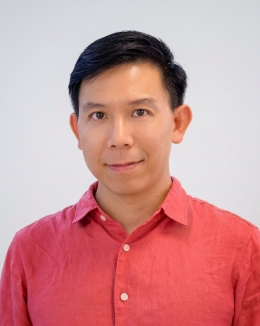
Prof. Yu-Xuan Lyu
Institute of Advanced Biotechnology, Institute of Homeostatic Medicine, and School of Medicine, Southern University of Science and Technology, Shenzhen, Guangdong, China.
Sirio Institute on Ageing (SIA), Sirio Life Technology Co., Ltd, Shanghai, China.
Sirio Institute on Ageing (SIA), Sirio Life Technology Co., Ltd, Shanghai, China.
Yu-Xuan Lyu, PhD, is a Research Assistant Professor at the School of Medicine and Institute of Advanced Biotechnology, Southern University of Science and Technology (SUSTech). He also serves as Guest Independent Researcher at the Max Planck Institute for Biology of Ageing, Germany, and Lecturer at the Geneva College of Longevity Science, Switzerland.
His research focuses on gut metabolism and immune homeostasis during aging, with particular emphasis on sex-specific mechanisms and therapeutic interventions, as well as the development of natural product-based strategies for healthy aging. His "Rapamycin Trilogy" was selected as one of the Max Planck Society's Research Highlights of 2022. A recipient of China's National High-Level Young Talent Program, he currently serves as Vice Chair of the Longevity Development Branch of the Chinese Geriatrics Society and is a member of the Young Editorial Boards of Life Medicine and Longevity.
Host
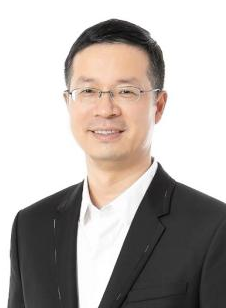
Prof. Ting Ni
Shanghai Engineering Research Center of Industrial Microorganisms, School of Life Sciences, Fudan University, Shanghai, China.
State Key Laboratory of Reproductive Regulation and Breeding of Grassland Livestock, Institutes of Biomedical Sciences, School of Life Sciences, Inner Mongolia University, Hohhot, Inner Mongolia, China.
State Key Laboratory of Reproductive Regulation and Breeding of Grassland Livestock, Institutes of Biomedical Sciences, School of Life Sciences, Inner Mongolia University, Hohhot, Inner Mongolia, China.
Ting Ni, PhD, is a Professor at Fudan University and serves as Vice Dean (on assignment) of the Institute of Biomedical Sciences and School of Life Sciences at Inner Mongolia University. He received his B.S. and Ph.D. from Peking University, followed by postdoctoral training at Duke University and a research appointment at the U.S. National Institutes of Health (NIH), before joining Fudan University in 2012.
His research focuses on the identification, mechanisms, and intervention of cellular senescence. He has developed innovative senescence detection technologies, including hUSI and ICAnet, uncovered novel regulatory roles of non-coding genomic regions such as introns and 3'UTRs in senescence control, and identified potential therapeutic targets including RRAS2 and CPNE1. These studies have provided important mechanistic insights into aging biology and age-related diseases. He received his scientific training at Peking University, Duke University, and the U.S. National Institutes of Health (NIH), and currently leads several nationally funded research programs in China, including projects supported by the National Key Research and Development Program and the National Natural Science Foundation of China (NSFC).
Introduction
Despite remarkable advances in aging biology, the discovery of gerotherapeutics remains a major bottleneck in translating scientific insights into interventions that promote healthy longevity. Traditional drug discovery approaches are often time-consuming, costly, and insufficient for exploring the complex biological networks that drive aging.
Recent developments in high-throughput screening, artificial intelligence, and multi-omics technologies are transforming the landscape of gerotherapeutic discovery. These emerging approaches enable researchers to identify novel targets, predict therapeutic candidates, and systematically evaluate interventions at an unprecedented scale and speed.
This webinar will explore how cutting-edge screening platforms and AI-driven strategies are accelerating the development of next-generation gerotherapeutics. Discussions will cover recent advances, technological innovations, and future opportunities for translating aging research into effective interventions that extend healthspan and improve human health.
Presentation
Presentation
69


