Engineering Strategies to Promote Cancer Nanomedicine Performance and Clinical Translation
Time
3:00 PM, June 12, 2026 (Beijing)9:00 AM, June 12, 2026 (Germany)
Zoom Meeting Link: https://us06web.zoom.us/j/87428956880?pwd=JuuEiQ4nD1PanweQv9nHbF3T6aCwf9.1
Meeting ID: 874 2895 6880
Passcode: 676080
Contact Us
Email: bmehjournal@sciexplor.comSpeaker
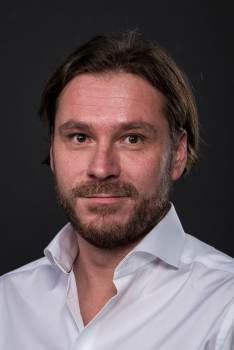
Prof. Twan Lammers
Institute of Experimental Molecular Imaging, University Hospital RWTH Aachen, RWTH Aachen University, Aachen, Germany.
Prof. Twan Lammers obtained a D.Sc. in Radiation Oncology from Heidelberg University in 2008 and a Ph.D. in Pharmaceutical Technology from Utrecht University in 2009. In the same year, he started the Nanomedicine and Theranostics group at RWTH Aachen University. In 2014, he was promoted to full professor of medicine at RWTH Aachen University Clinic. His group aims to individualize and improve disease treatment by combining drug targeting with imaging. To this end, image-guided (theranostic) drug delivery systems are being developed, as well as materials and methods to monitor tumor growth, angiogenesis, inflammation, fibrosis and metastasis. He has received multiple scholarships and awards, including ERC starting, consolidator and proof-of-concept grants, and the CRS Young Investigator and Exceptional Leadership Awards. Prof. Lammers was president of the Controlled Release Society in 2024 and currently serves as secretary of the European Society for Molecular Imaging. He has published over 350 papers (h-index = 103) and has been included in the Clarivate Analytics list of Highly Cited Researchers. He is on the editorial board of more than 10 journals, and acts as Associate Editor for JCR, DDTR and MIB.
Hosts
Prof. Filippo Rossi
Department of Chemistry, Materials and Chemical Engineering "Giulio Natta", Politecnico di Milano, Milan, Italy.
Prof. Filippo Rossi is an associate professor in Applied Physical Chemistry at the Department of Chemistry, Materials and Chemical Engineering "Giulio Natta" at Politecnico di Milano (Milano, Italy). He received a Master’s Degree in Chemical Engineering (2007) and then Ph.D. in Industrial Chemistry & Chemical Engineering (2011), both from Politecnico di Milano. He also spent research periods abroad as visiting Ph.D. student at Imperial College London (2009), as a postdoctoral researcher at Uppsala University (2012) and as visiting professor at Keio University (2018, 2022), Tokyo University of Agriculture and Technology (2025) and University of North Carolina at Chapel Hill (2025). Since 2015, he has also been a guest researcher at Istituto di Ricerche Farmacologiche Mario Negri and since 2022, a visiting professor at University of Southern Switzerland. His main research interests are in the field of innovative polymeric materials for nanomedicine, drug delivery and tissue engineering with experimental and modelling studies.
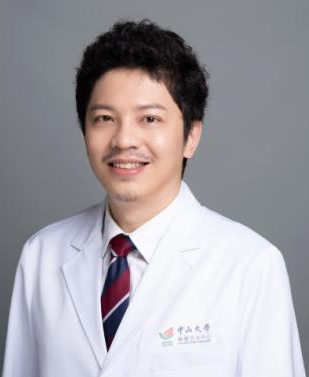
Prof. Jiang Yang
State Key Laboratory of Oncology in South China, Guangdong Provincial Clinical Research Center for Cancer, Sun Yat-Sen University Cancer Center, Guangzhou, Guangdong, China.
Prof. Jiang Yang is a Full Professor and Principal Investigator at the State Key Laboratory of Oncology in South China, Sun Yat-Sen University Cancer Center. He received his BSc from Zhejiang University, MSc from the University of Leeds, and PhD from the University of Wisconsin-Madison, with training experience at Harvard Medical School, Stanford University, and Memorial Sloan Kettering Cancer Center.
Prof. Yang's research focuses on multimodal imaging and theranostics for diseases such as cancer. He has published over 80 peer-reviewed papers in leading journals including Nature Biomedical Engineering, Advanced Materials, and ACS Nano, with more than 11,000 citations (h-index: 38). His work has been widely recognized through major awards, high-impact funding, and international media coverage. He also serves on several journal editorial boards and has contributed to clinical translation, including leading an FDA Phase IIb clinical trial.
Introduction
Nanomedicines are extensively used for cancer therapy. By delivering drug molecules more effectively and more selectively to pathological sites, nanomedicines assist in improving the balance between drug efficacy and toxicity. The tumor accumulation of nanomedicines is traditionally ascribed to the EPR effect, which is highly variable, both in animal models and in patients. To address issues associated with tumor targeting heterogeneity, and to promote cancer nanomedicine clinical translation, we are developing tools and technologies to monitor and modulate tumor-targeted drug delivery. In the present lecture, several of these strategies will be highlighted, including the use of imaging and histopathology biomarkers for patient stratification, and physical, pharmacological and physiological interventions to engineer the tumor microenvironment for better delivery. Together, our work aims to establish rational and realistic ways forward to improve the clinical impact of cancer nanomedicines.
Presentation
Presentation
318
Free Discussion
110


