
Selective Drug Delivery in the Central Nervous System Using Engineered Nanogels
Time
3:00 PM, July 17, 2026 (Beijing)9:00 AM, July 17, 2026 (Italy)
Zoom Meeting Link: https://us06web.zoom.us/j/85037188070?pwd=Iw6bQF9hbab8GobpzbwZs3BuhxkQZj.1
Meeting ID: 850 3718 8070
Passcode: 516371
Contact Us
Email: bmehjournal@sciexplor.comSpeaker
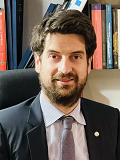
Prof. Filippo Rossi
Department of Chemistry, Materials and Chemical Engineering "Giulio Natta", Politecnico di Milano, Milan, Italy.
Prof. Filippo Rossi is an associate professor in Applied Physical Chemistry at the Department of Chemistry, Materials and Chemical Engineering "Giulio Natta" at Politecnico di Milano (Milano, Italy). He received a Master’s Degree in Chemical Engineering (2007) and then Ph.D. in Industrial Chemistry & Chemical Engineering (2011), both from Politecnico di Milano. He also spent research periods abroad as visiting Ph.D. student at Imperial College London (2009), as a postdoctoral researcher at Uppsala University (2012) and as visiting professor at Keio University (2018, 2022), Tokyo University of Agriculture and Technology (2025) and University of North Carolina at Chapel Hill (2025). Since 2015, he has also been a guest researcher at Istituto di Ricerche Farmacologiche Mario Negri and since 2022, a visiting professor at University of Southern Switzerland. His main research interests are in the field of innovative polymeric materials for nanomedicine, drug delivery and tissue engineering with experimental and modelling studies.
Hosts
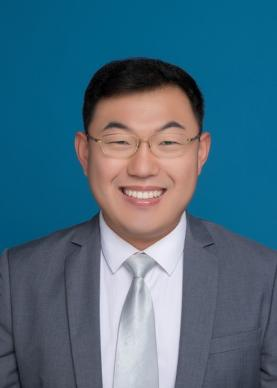
Prof. Shuai Jiang
Key Laboratory of Marine Drugs, Chinese Ministry of Education, School of Medicine and Pharmacy, Ocean University of China, Qingdao, Shandong, China.
Shuai Jiang is a Professor and Ph.D. supervisor at the School of Pharmacy, Ocean University of China. He obtained his Ph.D. degree from the Chinese Academy of Sciences in 2016. He subsequently conducted postdoctoral research and served as a group leader at the Max Planck Institute for Polymer Research. He joined Ocean University of China in 2021.
His research primarily focuses on nanotechnology-based drug delivery systems and nano-bio interactions. To address the limited clinical translation efficiency of current antitumor nanomedicines, his group develops efficient and intelligent nanocarriers and nanoreactors for targeted drug delivery and cancer therapy. Based on colloidal chemistry and interfacial polymerization strategies, the group has established in situ nanoemulsion coating technologies and developed a series of functional nanocapsule-based drug delivery platforms and enzyme-cascade nanoreactors tailored to the physicochemical properties and therapeutic requirements of different drugs. In parallel, by integrating surface engineering, proteomics, and cellular and animal studies, his group systematically investigates nano–blood protein interactions, elucidating the mechanisms underlying protein corona formation, biological responses, and the in vivo fate of nanomedicines, thereby providing important foundations for their clinical translation. He has published more than 70 research papers, including over 40 as first or corresponding author in leading journals such as Chem. Soc. Rev., Acc. Chem. Res., Sci. Adv., Angew. Chem., Adv. Mater., Adv. Funct. Mater., Adv. Sci., ACS Nano, and Nano Lett, etc.
His research primarily focuses on nanotechnology-based drug delivery systems and nano-bio interactions. To address the limited clinical translation efficiency of current antitumor nanomedicines, his group develops efficient and intelligent nanocarriers and nanoreactors for targeted drug delivery and cancer therapy. Based on colloidal chemistry and interfacial polymerization strategies, the group has established in situ nanoemulsion coating technologies and developed a series of functional nanocapsule-based drug delivery platforms and enzyme-cascade nanoreactors tailored to the physicochemical properties and therapeutic requirements of different drugs. In parallel, by integrating surface engineering, proteomics, and cellular and animal studies, his group systematically investigates nano–blood protein interactions, elucidating the mechanisms underlying protein corona formation, biological responses, and the in vivo fate of nanomedicines, thereby providing important foundations for their clinical translation. He has published more than 70 research papers, including over 40 as first or corresponding author in leading journals such as Chem. Soc. Rev., Acc. Chem. Res., Sci. Adv., Angew. Chem., Adv. Mater., Adv. Funct. Mater., Adv. Sci., ACS Nano, and Nano Lett, etc.

Prof. Adam Midgley
Key Laboratory of Bioactive Materials, Ministry of Education, College of Life Sciences, Nankai University, Tianjin, China.
Adam Midgley is a Research Professor, Ph.D. supervisor, and "BaiQing" scholar at the College of Life Sciences, Nankai University, Tianjin, China. He obtained his Ph.D. degree from Cardiff University, UK in 2014. He then continued his research as a postdoctoral scientist at the Wales Kidney Research Unit before joining Nankai University in 2018. In 2020, he was appointed as Associate Professor, and in 2026 he was promoted to Research Professor. He is a Fellow of the UK Higher Education Academy (FHEA) and Royal Society of Biology (FRSB).
His main research interests are in the development of nanomedicine strategies for treating fibrosis, with a specific focus on alleviating kidney diseases and renal fibrosis. By integrating high-throughput analysis with organoid and on-chip technologies, his team develops a range of therapeutic nanocarrier materials to deliver gene, peptide, and drug therapies to the kidneys with the aim of achieving kidney-cell specific delivery and uptake of the therapeutic payload. Key technologies developed by his team include layer-by-layer assembled polymeric gene nanocarriers, demonstrating robust and highly cytocompatible nucleic acid transfection; and self-assembling tissue microenvironment-responsive peptide nanoshells for enhanced drug delivery. He has published more than 90 papers, including over 30 as first or corresponding author in renowned journals such as Bioactive Materials, Nature Communications, Science Signaling, Advanced Materials, Advanced Science and Nano Today.
Introduction
Recent advances in polymer science and nanotechnologies showed an increased interest for the nanogels (NGs), a new class of colloidal systems that, if properly functionalized, can be used as carriers of drugs to treat central nervous system diseases. Nanogels were synthesized using polyethylene glycol (PEG) and polyethylenimine linear (PEI), after having functionalized PEI with a chromophore using a “click” reaction. This PEI functionalization is essential for being able to constantly trace the nanogels during the biological assays. Many different coating strategies of the nanogels were analyzed: in fact, the surface functionalization is essential to tune the characteristics, and the biological behavior, of the final system. The NGs underwent characterization through dynamic light scattering analyses and drug release tests together with in vitro and in vivo biological assays. Biological tests proved that functionalized nanogels were able to be selectively internalized in mouse microglia or astrocytes depending on their surface decoration, that their degradation promoted drug release and the use of anti-inflammatory molecules as delivered drug were able to mitigate the pain state. In vivo subsequent assays on diseased mouse confirmed the result obtained in vitro and the potentiality of this kind of surface functionalization. Nanogels are for sure effective devices in controlled drug delivery and here we showed their potentialities as targeted drug delivery systems in central nervous system diseases.
Presentation
Presentation
59
Free Discussion
5


