
Ergothioneine A Novel Neuroprotective Agent: Antioxidant and Much More
Time
7:00 PM, October 28, 2026 (Singapore)7:00 AM, October 28, 2026 (New York)
12:00 PM, October 28, 2026 (Paris)
Contact Us
Email: fosjournal@sciexplor.comSpeaker
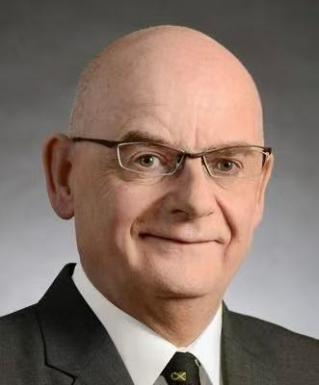
Prof. Barry Halliwell
Neurobiology Programme, Life Sciences Institute, Centre for Life Sciences, National University of Singapore, Singapore, Singapore.
Department of Biochemistry, Yong Loo Lin School of Medicine, National University of Singapore, Singapore, Singapore.
Professor Barry Halliwell is Senior Advisor, Academic Appointments and Research Excellence at the National University of Singapore (NUS) and a Distinguished Professor in the NUS Yong Loo Lin School of Medicine. His research focuses on free radicals and antioxidants in human disease, with particular interests in oxidative stress, neurodegenerative diseases, molecular nutrition, and the biological roles of antioxidants such as ergothioneine. He is internationally recognized for his pioneering contributions to the study of free radicals and antioxidants and is among the world’s most highly cited researchers in Biology and Biochemistry. He is the lead author of Free Radicals in Biology and Medicine, now in its fifth edition and widely regarded as a leading reference in the field. His contributions have been recognized with numerous honors, including the Singapore President’s Science and Technology Medal and the Lifetime Achievement Award from the Society for Free Radical Biology and Medicine.
Host
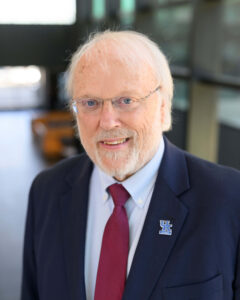
Prof. D. Allan Butterfield
Department of Chemistry, University of Kentucky, Lexington, KY, USA.
Institute of Medicine and Department of Chemistry, University of Maine, Orono, ME, USA.
Professor David Allan Butterfield is Professor Emeritus of Biological Chemistry at the University of Kentucky and a leading researcher in the field of oxidative stress and neurodegenerative disease. His research focuses on free radical-mediated oxidative stress in aging and age-related disorders, particularly Alzheimer disease, with interests in redox proteomics, protein oxidation, lipid peroxidation, mitochondrial dysfunction, glucose metabolism and mechanisms of neuronal injury. His laboratory pioneered the application of redox proteomics to identify oxidatively modified brain proteins in Alzheimer disease and its earlier stage, mild cognitive impairment, providing important insights into the molecular mechanisms of disease progression. His research also addresses chemotherapy-induced cognitive impairment (“chemobrain”) and the role of oxidative stress in this condition.
Professor Butterfield has received numerous honors for his contributions, including the Presidential Award for Excellence in Science, Mathematics and Engineering Mentoring (presented by President Clinton at the White House), the Society for Redox Biology and Medicine's Discovery Award, Mentoring Excellence Award, and elected a Fellow of SfRBM in 2012. He trained nearly 70 PhD and MS students and 25 postdoctoral scholars, who with the leadership of Professor Butterfield published over 700 papers with a h-index of 129 (Scopus); h-index of 145 (Research Gate).
Panelists

Prof. Christopher Chen
Department of Pharmacology, Yong Loo Lin School of Medicine, National University of Singapore, Singapore, Singapore.
Prof. Christopher Chen is a Professor and Director of the Memory Aging and Cognition Centre in the Department of Pharmacology at the National University of Singapore. His research focuses on stroke and dementia, particularly vascular cognitive impairment, biomarkers, neurochemistry, and translational clinical trials. He has published over 500 peer-reviewed papers and book chapters and has extensive experience in international clinical trials, editorial boards, trial steering committees, and the training of young clinicians and scientists.

Prof. Robert B. Beelman
Department of Food Science, Penn State University, State College, PA, USA.
Prof. Robert B. Beelman is Professor Emeritus of Food Science and Director of the Center for Plant and Mushroom Foods for Health at The Pennsylvania State University. A distinguished food scientist, his research has focused on the nutritional and medicinal properties of mushrooms and the health-promoting roles of dietary antioxidants, particularly ergothioneine, selenium and glutathione.
His work has contributed to advancing the understanding of ergothioneine as a dietary antioxidant with potential benefits for healthy aging and the prevention of chronic age-related diseases. He has also pioneered research linking soil health and regenerative agricultural practices with ergothioneine levels in crops, highlighting the important connections between soil, food, nutrition and human health.

Dr. Irwin Kee-Mun Cheah
Life Science Institute, National University of Singapore, Singapore, Singapore.
Dr. Irwin K. Cheah has been studying ergothioneine for many years, with a particular interest in its role in ageing and neurodegenerative disease. His work has helped highlight the potential connection between declining ergothioneine levels and cognitive decline, and the possibility that maintaining adequate levels may support healthy ageing.

Prof. Richard Siow
Ageing Research at King's (ARK), King's College London, London, UK.
Department of Physiology, Anatomy and Genetics, Medical Sciences Division, University of Oxford, Oxford, UK.
Prof. Richard Siow is Director of Ageing Research at King's (ARK), King's College London and a Visiting Professor at the University of Oxford. His research focuses on nutrigenomics, phytochemicals, ageing, and redox signalling in cardiovascular and brain health and disease. He is an elected Fellow of the Royal Society of Biology and the European Society for Preventive Medicine, and serves as Joint Editor-in-Chief of Longevity. He has published over 90 peer-reviewed papers and received more than £4 million in collaborative research funding.


