
New challenges to aging research
Time
9:00 AM Eastern Time10:00 PM Beijing Time
3:00 PM Central European Time
Contact Us
Email: geromedicine@sciexplor.comSpeaker

Prof. Luigi Ferrucci
Intramural Research Program of the National Institute on Aging, NIH, Bethesda, MD, USA.
Prof. Luigi Ferrucci, M.D., Ph.D. is Scientific Director of the National Institute on Aging (NIH) and Director of the Baltimore Longitudinal Study of Aging. An internationally recognized leader in geroscience, his research explores the biological mechanisms of aging, frailty, and functional decline, with the goal of advancing healthy longevity and precision geromedicine.
Host

Prof. Guido Kroemer
Metabolomics and Cell Biology Platforms, Institut Gustave Roussy, Villejuif, France.
Université Paris Descartes, Sorbonne Paris Cité, Paris, France.
Université Paris Descartes, Sorbonne Paris Cité, Paris, France.
Prof. Guido Kroemer is Editor-in-Chief of Geromedicine and Professor at the Faculty of Medicine, Université Paris Cité. He is internationally recognized for his pioneering research on cell death, autophagy, immunometabolism, and healthy aging. His work has fundamentally advanced the understanding of the molecular mechanisms linking aging, metabolism, and age-related disease.
Panelists
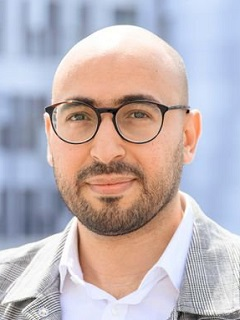
Prof. Mahmoud Abdellatif
Department of Cardiology, Medical University of Graz, Graz, Austria.
Prof. Mahmoud Abdellatif is Assistant Professor of Cardiovascular Ageing at the Division of Cardiology, Medical University of Graz. His research investigates the biological mechanisms of cardiovascular aging and their contribution to cardiometabolic disease, with a focus on identifying therapeutic targets to prevent or treat age-related conditions such as heart failure. His work spans autophagy, metabolism, and cardiac aging, aiming to extend healthy lifespan through mechanism-based interventions.
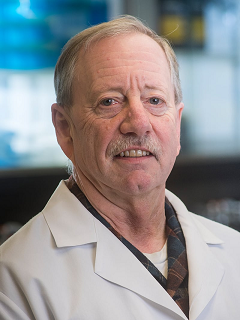
Prof. Steven N. Austad
Department of Biology, College of Arts and Sciences, University of Alabama at Birmingham, Birmingham, AL, USA.
Prof. Steven N. Austad is Distinguished Professor and Protective Life Endowed Chair in Healthy Aging Research at the University of Alabama at Birmingham. He is also Scientific Director of the American Federation for Aging Research and Director of the UAB Nathan Shock Center of Excellence in the Basic Biology of Aging. An internationally recognized leader in comparative geroscience, his research examines why aging rates differ across species and seeks to translate insights from exceptionally long-lived animals into interventions that extend human healthspan.
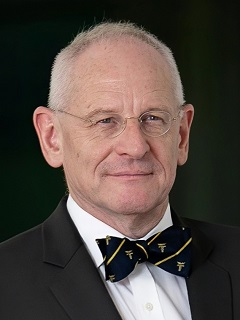
Johannes (Hans) Meij
NUS Academy for Healthy Longevity, Yong Loo Lin School of Medicine, National University of Singapore, Singapore, Singapore.
Out-Patient Division, Amsterdam University Medical Centre, Amsterdam, the Netherlands.
Prof. Johannes (Hans) Meij is a medical anthropologist and physician with over 45 years of experience across healthcare systems worldwide. His research on the genetic and life-history basis of healthy longevity spans populations in rural Africa, Europe, and beyond. A co-founder of the Leyden Academy on Vitality and Ageing, he now leads the NUS Academy for Healthy Longevity, where he directs executive education programs including the Healthy Longevity Talent Incubator.
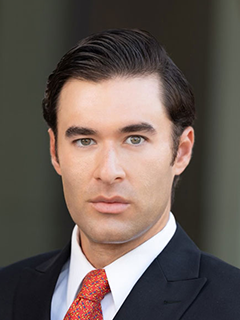
Prof. Aladdin H. Shadyab
Herbert Wertheim School of Public Health and Human Longevity Science and Division of Geriatrics, Gerontology, and Palliative Care, Department of Medicine, University of California San Diego, La Jolla, CA, USA.
Prof. Aladdin H. Shadyab is Associate Professor of Public Health, Human Longevity Science, and Medicine at the University of California San Diego. His research focuses on aging, longevity, geroscience, and women's health, with particular emphasis on blood-based, epigenetic, proteomic, and metabolomic biomarkers of biological aging, brain aging, mild cognitive impairment, and Alzheimer's disease. He leads population-based and NIA-funded studies investigating cognitively healthy longevity, exceptional aging, chronic disease, mobility disability, and dementia risk, and contributes to randomized clinical trials of Alzheimer’s disease interventions. His work aims to identify early biomarkers and modifiable determinants that promote healthy aging and extend healthspan.
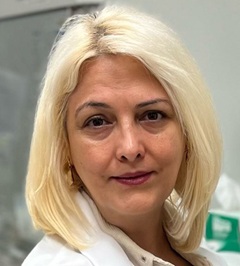
Prof. Shabnam Salimi
Department of Anesthesiology and Pain Medicine, Mitochondria and Metabolism Center, University of Washington. Seattle, WA, USA.
Translational Gerontology Branch, Biomedical Research Center, National Institute on Aging, Baltimore, MD, USA.
Translational Gerontology Branch, Biomedical Research Center, National Institute on Aging, Baltimore, MD, USA.
Prof. Salimi is a multidisciplinary scientist studying the mechanisms of healthspan and lifespan. Her work focuses on determining clinically and biologically meaningful algorithms that measure the rate of aging, "omics" that track healthspan and lifespan, and how they respond to anti-aging modalities and interventions. She has developed BodyClock and Health OctaTool in human and animal models, and PathoClock and PathoAge, PhysiocClock, and PhysiocAge using pathology and physiology measures in mouse models. Prof. Salimi aspires to make significant contributions to population health and health equity by translating scientific discoveries from the bench to real-world human health applications. Her K01 award training was based on genomics in the field of “geroscience” and aging hallmarks to understand the role of biological aging in chronic diseases in human and animal models at the individual level using personalized medicine approaches and to ultimately apply personalized prevention and treatment at individual and public health levels.
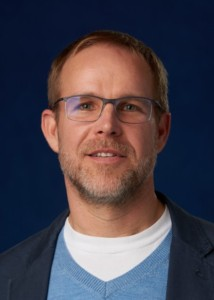
Prof. David Marcinek
Department of Radiology, University of Washington School of Medicine, Seattle, WA, USA
Department of Laboratory Medicine and Pathology, University of Washington School of Medicine, Seattle, WA, USA
Institute for Stem Cell and Regenerative Medicine, University of Washington School of Medicine, Seattle, WA, USA
Department of Laboratory Medicine and Pathology, University of Washington School of Medicine, Seattle, WA, USA
Institute for Stem Cell and Regenerative Medicine, University of Washington School of Medicine, Seattle, WA, USA
Dr. Marcinek has over 15 years of experience developing and applying innovative tools to study mitochondrial biology in chronic disease and aging. A main focus of his laboratory is to understand how age-related changes in mitochondrial function at the biochemical and organelle levels translate to changes in in vivo function and performance. The integration from organelle to in vivo is facilitated using in vivo magnetic resonance spectroscopy tools developed in Dr. Marcinek’s laboratory. In addition, he has a broad background and over a decade of experience in biochemical analyses of metabolism in skeletal muscle. He has recently identified novel interactions between oxidative stress and dynamic control of mitochondrial metabolism in vivo. He is currently collaborating with several research groups to study the role of mitochondrial energetics in skeletal muscle dysfunction in aging, muscular dystrophy, and neurodegenerative disease.

Prof. Natascha Merten
Department of Population Health Sciences, School of Medicine and Public Health, University of Wisconsin-Madison, Madison, WI, USA.
Division of Geriatrics and Gerontology, Department of Medicine, School of Medicine and Public Health, University of Wisconsin-Madison, Madison, WI, USA.
Wisconsin Alzheimer's Disease Research Center, School of Medicine and Public Health, University of Wisconsin-Madison, Madison, WI, USA.
Division of Geriatrics and Gerontology, Department of Medicine, School of Medicine and Public Health, University of Wisconsin-Madison, Madison, WI, USA.
Wisconsin Alzheimer's Disease Research Center, School of Medicine and Public Health, University of Wisconsin-Madison, Madison, WI, USA.
Prof. Merten’s research focuses on human brain aging. She aims to assess aging with a holistic approach by investigating general aging processes that affect multiple domains of brain aging, with a focus on sensory and cognitive aging and dementia. She considers risk factors of Alzheimer’s pathology and inflammation, as well as vascular and metabolic systems, to identify common pathways of neurodegeneration and brain aging. In this context, she also investigates early biomarkers of aging to identify individuals at risk for decline in various health conditions. In addition, she aims to assess potentially modifiable risk factors of brain aging with a particular focus on the roles of psychosocial and behavioral factors.


