The 16th International Symposium on DNA Damage Response & Human Disease (isDDRHD-2025)

*Correspondence to:
Xingzhi Xu, Guangdong Key Laboratory for Genome Stability & Disease Prevention, Shenzhen University Medical School, Shenzhen University, Shenzhen 518060, Guangdong, China,
E-mail: xingzhi.xu@szu.edu.cn
Zhao-Qi Wang, State Key Laboratory of Microbial Technology, Shandong University, Qingdao 266237, Shandong, China, E-mail: zq.wang@uni-jena.de
Zhao-Qi Wang, State Key Laboratory of Microbial Technology, Shandong University, Qingdao 266237, Shandong, China, E-mail: zq.wang@uni-jena.de
Ageing Cancer Res Treat. 2026;3:202603. 10.70401/acrt.2026.0013
Received: January 13, 2025Accepted: February 14, 2026Published: February 23, 2026
This article belongs to the Special lssue Papers from the 16th International Symposium on DNA Damage Response & Human Disease (isDDRHD-2025)

This manuscript is made available in its unedited form to allow early access to the
reported findings. Further editing will be completed before final publication. As such,
the content may include errors, and standard legal disclaimers are applicable.
Abstract
The 16th International Symposium on DNA Damage Response & Human Disease (isDDRHD-2025) was held in Qingdao, China (October
Keywords
DNA damage response, genome stability, replication stress, DNA repair, chromatin organization, isDDRHD-2025
1. Introduction
The genome is constantly challenged by exogenous insults (e.g., ultraviolet radiation and chemotherapeutics) and endogenous threats (e.g., oxidative damage, base modifications, replication stress, transcription-associated lesions). DNA damage response (DDR) pathways coordinate lesion sensing, signaling, and repair, while integrating chromatin dynamics, cell-cycle progression, and metabolic rewiring. As a traditional scientific conference, the 16th International Symposium on DNA Damage Response & Human Disease (isDDRHD-2025) was held in Qingdao, China (October 17–20, 2025). This serial annual meeting has been established by Xingzhi Xu (Shenzhen University) and Zhao-Qi Wang (Leibniz Institute on Aging-Fritz Lipmann Institute (FLI), Germany, currently Shandong University) since 2010. This year’s meeting assembled approximately 250 participants and featured 39 invited presentations from, in addition to China, the USA, Europe, and Asia (Figure 1). The isDDRHD-2025 emphasized a systems-level view of genome maintenance: DNA repair was discussed not only as a set of enzymatic transactions on DNA, but also as a network that interfaces with RNA metabolism and phase-separated nuclear organization, as well as its impact on pathophysiology. The meeting offered a platform for discussing mechanisms of DNA repair and damage response via various molecular and structural approaches, and revealed translational options relevant to cancer biology and healthy aging. Importantly, lively poster sessions and informal discussions facilitated exchange between established scientists and early-career investigators and strengthened efforts to connect the fundamental genome maintenance with the etiology of diseases, including cancer (Figure 2 and Figure 3).
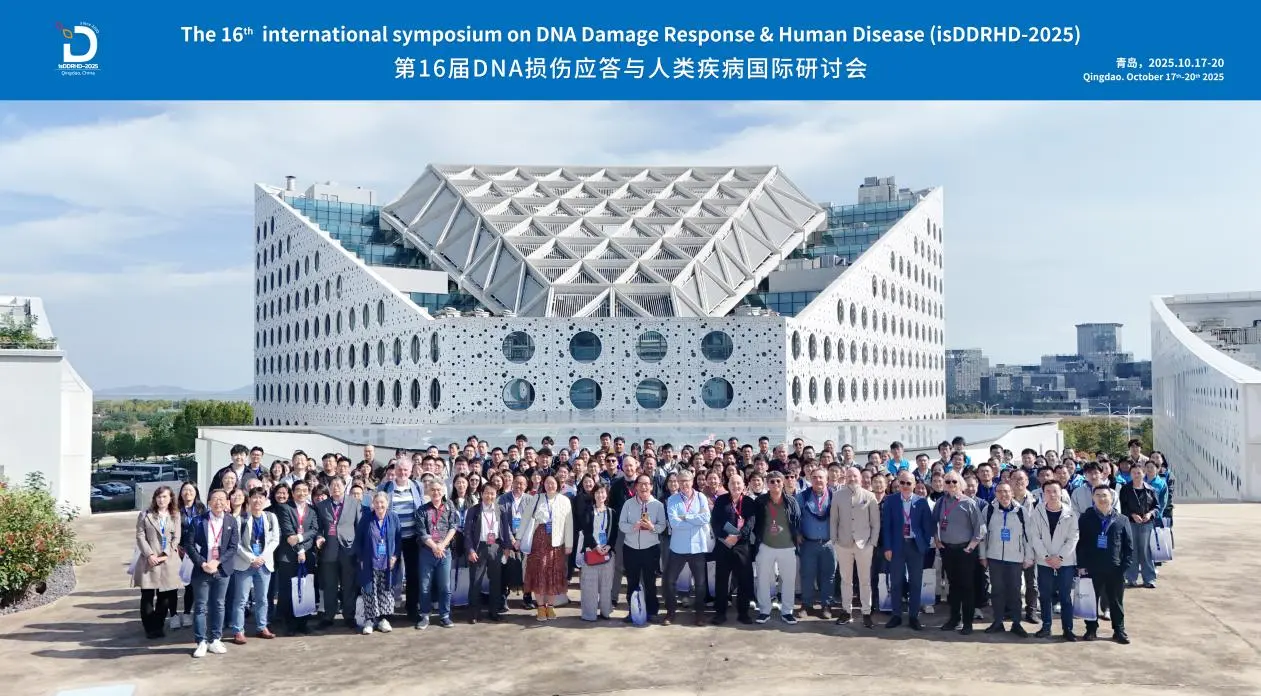
Figure 1. Group picture of participants of isDDRHD-2025 at Shandong University, China. Researchers, including well-established scientists, young investigators, and students, discussed the molecular mechanisms of DNA repair and genomic instability and related pathological processes, as well as anti-cancer strategies.
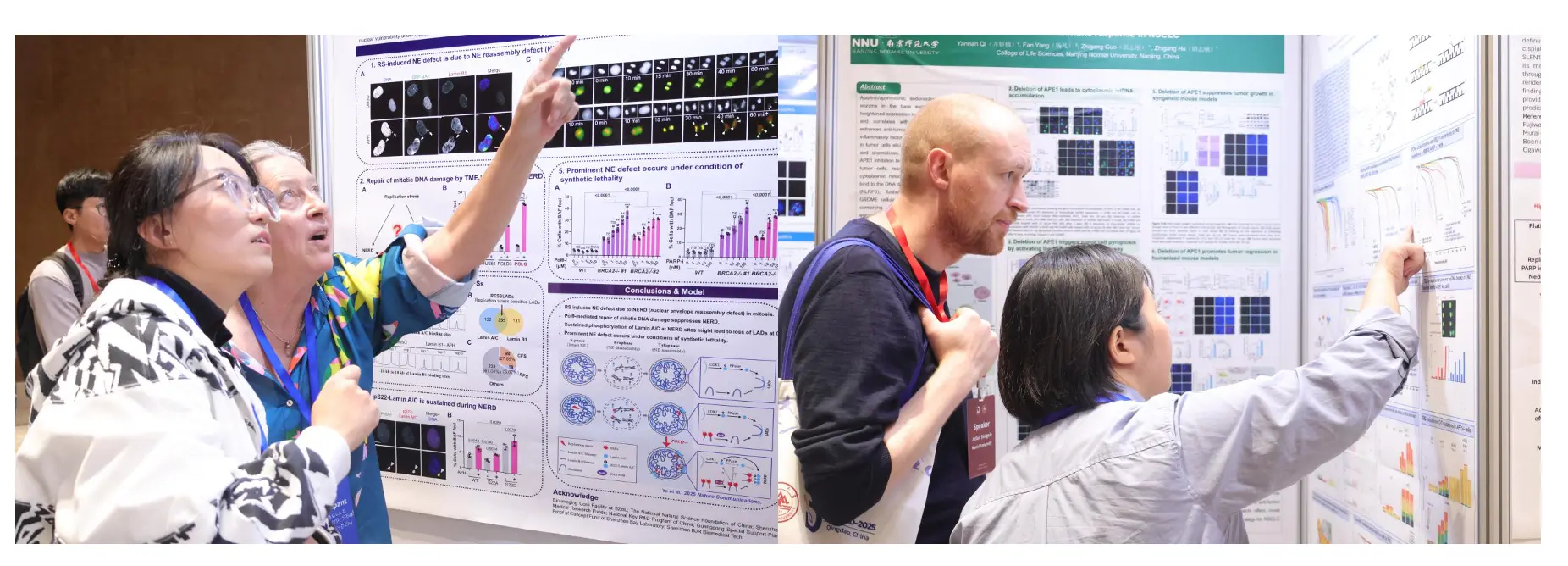
Figure 2. The poster session promoted active exchanges of scientific data and facilitates interactions between scientists.
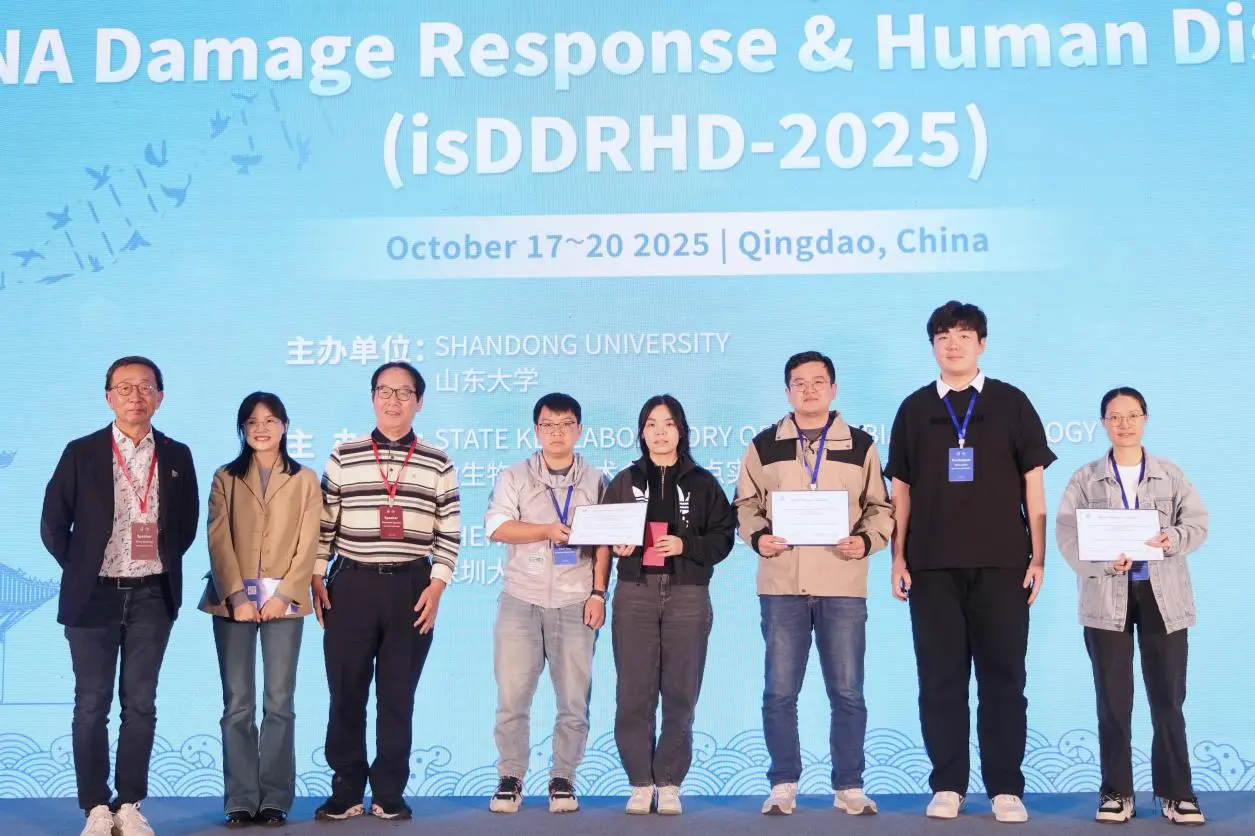
Figure 3. Poster Prizes offered by the journal Ageing and Cancer Research and Treatment (ACRT) were awarded to young scientists by the committee and the meeting organizer.
2. Replication Stress and Chromatin Organization
Replication stress—arising from replication fork stalling, nucleotide limitation, or chromatin barriers—is a major driver of genome instability, premature aging, and tumor evolution. This theme is a central topic of the DNA repair field and was extensively discussed at this meeting. The meeting highlighted quantitative genomics approaches to replication heterogeneity. Hisao Masai (Tokyo Metropolitan Institute of Medical Science, Japan), in his keynote talk, explored the molecular mechanism by which the Rif1 protein controls DNA replication timing through a C-terminus-mediated association with the inner nuclear membrane. He presented models for how replication timing programs are established at the level of nuclear architecture and higher-order chromatin organization, offering an understanding of the spatiotemporal regulation of DNA replication and DNA damage repair.
A notable example of post-translational control of replication was presented by Xingzhi Xu (Shenzhen University, China), who described UFM1-mediated modification (UFMylation) as a regulatory layer of the DNA helicase MCM5. The talk connected a specific ubiquitin-like pathway to replisome function, replication stress, and disease-relevant outcomes, illustrating how non-canonical protein modifications can impact fundamental replication transactions. Chunlong Chen (Institute Curie, France) demonstrated a single-cell approach to measure replication dynamics and emphasized how replication fork perturbations at fragile loci can promote clonal diversification—a mechanistic bridge between replication stress and genome stability in cancer. Qing Li (Peking University, China) focused on parental histone segregation and recycling at the replication fork and showed that faithful propagation of chromatin depends on controlled nucleosome handling during DNA synthesis. This work delivers the idea that replication is modulated intrinsically by an epigenetic process, in which mistakes propagate not only genomic mutations but also aberrant chromatin information. Furthermore, Marco Foiani (IFOM, Italy) presented how chromatin topological stress and mechanical constraints emerge during replication fork progression and addressed how enzymatic and structural machineries coordinate to prevent pathological DNA entanglements and cope with DNA replication stress. In the realm of active DNA demethylation, Guoliang Xu (CAS Center for Excellence in Molecular Cell Science, China) provided biochemical insights into the biochemical and structural mechanisms of the TET-TDG axis by showing how thymine DNA glycosylase (TDG) cooperates with the Base Excision Repair (BER) machinery to process oxidized cytosines. His work highlights the coordination between enzymatic excision and chromatin states in maintaining epigenomic stability. Collectively, these talks positioned replication stress as an integrative phenomenon shaped by enzymology, chromatin physics, and nuclear organization.
3.Structural and Mechanistic Dissection of DNA Repair Mechanisms
Structural biology served as a powerful lens to visualize repair mechanisms and rationalize pathway choices. Stephen C. West (The Francis Crick Institute, UK), by integrating cryo-electron microscopy with structure prediction and biochemical reconstitution experiments, demonstrated structural insights into nucleolytic processing of recombination intermediates and showed how Holliday junction resolution factors achieve substrate recognition and coordinate incision to ensure correct recombination outcomes. Stephen C. Kowalczykowski (University of California, Davis, USA), using a single-molecule approach combined with the real-time imaging technology, revealed how homologous recombination (HR) factors are assembled and coordinated on resected DNA templates.
Repair pathway execution at the level of recombinase assemblies was discussed by Akira Shinohara (Osaka University, Japan), who examined conformational and functional states of RAD51 nucleoprotein filaments and their implications for strand exchange and fork protection. Xiaodong Zhang (Imperial College London, UK) solved Tel1, the yeast homolog of the ATM-kinase, and elucidated its activation mechanism, thereby advanced the understanding of PIKK-family kinases undergoing activation-associated rearrangements to initiate DNA damage signaling. The spatial organization of repair factors was further discussed through biomolecular condensates. Michael Huen (The University of Hong Kong, China) addressed the compartmentalization of DDR proteins, such as 53BP1, and discussed how lipid signaling and protein–protein interaction modules can modulate condensate formation and potentially influence the repair pathway choice in chromatin contexts.
4. DDR and RNA-centric Maintenance
Increasing attention in the DNA repair field has focused on the idea that RNA metabolism is integral to genome stability. The keynote lecture given by Yungui Yang (China National Center for Bioinformation, CAS, China) discussed epitranscriptomic regulation of R-loop homeostasis. He highlighted how RNA modifications, exemplified by m6A marks on nascent transcripts, can modulate the formation and resolution of RNA:DNA hybrids, thereby shaping transcription termination fidelity and reducing replication–transcription conflicts. RNA quality control under genotoxic challenge was addressed by Julian Stingele (Ludwig Maximilian University of Munich, Germany), who presented a framework for cellular tolerance to RNA lesions induced by nucleotide analogs. By identifying factors that couple ribosome-associated quality control to stress signaling, his talk highlighted how damaged RNA can trigger ribosomal imbalance and how ubiquitin-dependent pathways mitigate these toxic consequences. These talks reinforce the concept that
Several talks converged on mechanisms that prevent accumulation of harmful RNA:DNA hybrids at DNA breaks or stalled replication forks. Caixia Guo (China National Center for Bioinformation, CAS, China) described a role for the spliceosome-associated factor SART3 in HR, emphasizing a mechanism in which SART3 promotes the processing of DNA–RNA hybrid structures through the recruitment of RNA helicase activities, thereby facilitating DNA end resection and DNA repair. Mechanistic connections between transcription pausing and repair outcomes were discussed by Jian Ouyang (Medical University of South Carolina, USA), who proposed that RNA polymerase dynamics can impose asymmetry on repair reactions, influencing strand usage and pathway choices. Shan Zha (Columbia University, USA) described a new discovery that Ku, a classical double-stranded DNA (dsDNA) break binding protein, can bind dsRNA, particularly Alu sequence and 3’UTR, to prevent a potential dsRNA-triggered innate immune response. Together, these studies underscore an important idea: RNA and RNA-associated structures are not mere by-products of transcription but also intermediates whose persistence or resolution decisively impacts genome stability.
5. Human Pathologies Arisen from DNA Repair Defects and Genomic Instability
DNA repair and genomic stability are vital for preventing the pathogenesis of various human organs. Genetic alterations are causes of tumor initiation and progression. It is thus highly desirable to acquire complete genome resources for genome stability studies. Xiaochun Yu (Westlake University, China) presented this achievement by showing the telomere-to-telomere (T2T) mouse genome assembly, which resolves repetitive and centromeric regions, enabling accurate mapping of breakpoints, rearrangements, and replication features, which were previously inaccessible. How exogenous mutagens sculpt cancer genomes was addressed by Gerd P. Pfeifer (Van Andel Institute, USA), who showed high-resolution mapping of UV-associated lesions and mutational signatures. By differentiating lesion classes and sequence-context effects, this work advanced understanding of how sunlight exposure translates into driver mutations and genome-wide mutation patterns in skin cancers. Moreover, Bing Xia (Rutgers University, USA) discussed genome-wide analyses of BRCA1-related tumorigenesis and showed how HR defects interact with genetic alterations to promote chromosomal instability and shape evolutionary trajectories of tumor development, which provide mechanistic interpretations of cancer genomics.
Beyond tumorigenesis, the meeting also emphasized the importance of DDR in the etiology of pathophysiological processes, such as neuropathies, the immune system, gonad development, as well as aging. Zhao-Qi Wang (Shandong University) described the DDR key factor ATR as a novel licensing factor in mitochondrial autophagy (mitophagy) and demonstrated that ATR is a guardian of the integrity of both the genome and mitochondria. In the investigation of neuropathological defects of human chromosome instability disorders in which DDR factors are mutated, Zhongwei Zhou (Sun Yat-sen University, China) reported a novel function of MRE11 in co-activation with RNA polymerase II to activate neuronal genes in mouse models. Gonad development involves proper DNA repair. Guo-Min Li (Chinese Institutes for Medical Research, China) demonstrated that the mismatch repair essential factor MLH1 can interact and thereby regulate Hippo-YAP signaling to control mouse testis development. Moreover, Ye Hong (Shandong University, China) described his findings on the crossover protein COSA-1 that interacts with SLX4 to orchestrate Holiday junction resolution during meiotic recombination in the zebrafish model.
6. Targeting DDR Pathways and Therapeutic Opportunities
A major translational challenge in cancer treatment has been the alteration of DDR capacity and drug resistance in cancer cells. Zhenkun Lou (Mayo Clinic, USA) discussed metabolic sensors in the conflict between DNA replication and transcription, and showed how nutrient-responsive pathways can modulate genome stability. Jian Yuan (Tongji University, China) discussed metabolite-driven succinylation of HR factors and connected metabolic flux to recombination proficiency and chemoresponse. Kyungjae Myung (Institute for Basic Science, Republic of Korea) described strategies to destabilize HR capacity and thereby re-sensitize drug-resistant tumors to DDR-targeted agents, such as PARP inhibitors. The tackling of chemotherapy resistance was further discussed by Dongyi Xu (Peking University, China). He presented work on the Fanconi Anemia (FA) network and associated repair modules as an actionable node for overcoming tumor resistance to PARP inhibitor-mediated therapies. Wei-Guo Zhu (Shenzhen University, China) discussed chromatin-centered mechanisms of radioresistance, emphasizing how enzymatic control of histone marks modulates RAD51 engagement and DNA repair proficiency. Predictive biomarkers and precision concepts were discussed by Lee Zou (Duke University, USA), who presented approaches to stratify tumors based on their replication stress signaling states and the development of inhibitors targeting the ATR pathway as a clinical intervention. Together, these talks highlight the importance of the “pathway identification” and its contribution to targeted cancer therapy.
7. Perspective
isDDRHD-2025 has seen a rapid expansion of the DDR field in which classical DNA repair increasingly integrates with RNA transcription, nuclear organization, high-resolution structural methods, as well as the etiology of patho-physiological processes. Across diverse experimental systems and approaches, a convergent picture has emerged: genome stability is controlled by the dynamic DDR network and context-dependent regulatory layers that can be exploited for therapeutic benefit. The meeting has fostered cross-disciplinary dialogue and strengthened international connections, setting the stage for continued mechanistic discovery and translational innovation in disease intervention and aging research. The next isDDRHD meeting (isDDRHD-2026)
Conflicts of interest
Xingzhi Xu is the Editor-in-Chief of Ageing and Cancer Research & Treatment, and Zhao-Qi Wang is an Advisory Editor of Ageing and Cancer Research & Treatment. The other authors have no conflicts of interest to declare.
Ethical approval
Not applicable.
Consent for publication
Not applicable.
Availability of data and materials
Not applicable.
Funding
None.
Copyright
© The Author(s) 2026.
Copyright
© The Author(s) 2026. This is an Open Access article licensed under a Creative Commons Attribution 4.0 International License (https://creativecommons.org/licenses/by/4.0/), which permits unrestricted use, sharing, adaptation, distribution and reproduction in any medium or format, for any purpose, even commercially, as long as you give appropriate credit to the original author(s) and the source, provide a link to the Creative Commons license, and indicate if changes were made.
Publisher’s Note
Science Exploration remains a neutral stance on jurisdictional claims in published
maps
and institutional affiliations. The views expressed in this article are solely those
of
the author(s) and do not reflect the opinions of the Editors or the publisher.
Share And Cite


Science Exploration Style
Zong W, Zhong J, Xu X, Wang Z. The 16th International Symposium on DNA Damage Response & Human Disease (isDDRHD-2025). Ageing Cancer Res Treat. 2026;3:202603. https://doi.org/10.70401/acrt.2026.0013
Tips
Copy completed.
Submit a Manuscript
Author Instructions
Cite this Article
Article Metrics
0
View
0
Download
Cited
Article Updates

- Abstract
- Keywords
- 1. Introduction
- 2. Replication Stress and Chromatin Organization
- 4. DDR and RNA-centric Maintenance
- 5. Human Pathologies Arisen from DNA Repair Defects and Genomic Instability
- 6. Targeting DDR Pathways and Therapeutic Opportunities
- 7. Perspective
- Conflicts of interest
- Ethical approval
- Consent for publication
- Availability of data and materials
- Funding
- Copyright
 Get citation
Science Exploration Style

Zong W, Zhong J, Xu X, Wang Z. The 16th International Symposium on DNA Damage Response & Human Disease (isDDRHD-2025). Ageing Cancer Res Treat. 2026;3:202603. https://doi.org/10.70401/acrt.2026.0013
copy
Share Link
copy
Subscribe